
Central Java Government Announces US$350 Million Investment Entering Batang
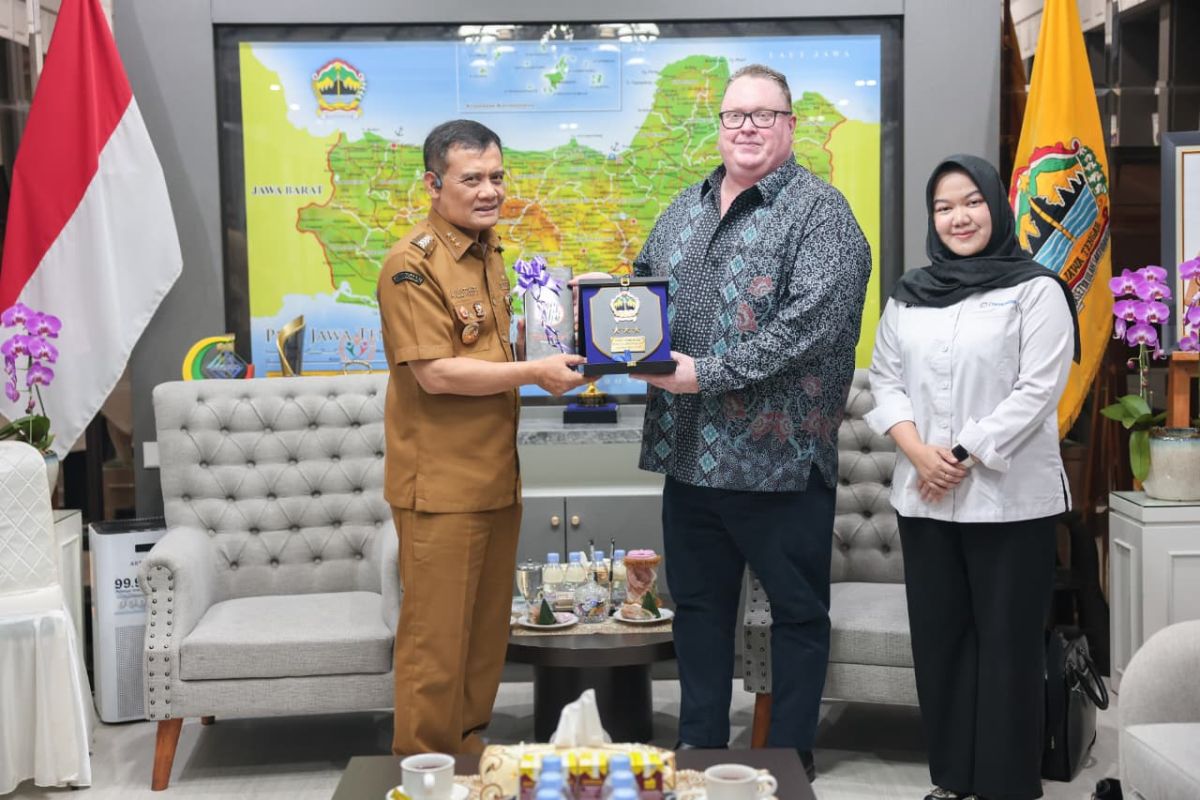
The Central Java provincial government has stated that Australian company Pure Battery Technologies (PBT) is committed to investing approximately US$350 million in the Batang Industropolis Special Economic Zone (KEK). Central Java Governor Ahmad Luthfi explained on Monday in Semarang that the investment is for a precursor cathode active material (PCAM) production facility. He projected that the project will absorb around 1,000 workers during its construction phase, with the plant planned to be built starting in 2027. According to him, the investment aligns with the direction of renewable energy development in Central Java, and he expressed hope that the plant’s output would not only be for export but also to meet domestic market needs. “If possible, the utilisation of renewable energy such as solar panels should not only be export-oriented but also used domestically, especially in Central Java,” he said after receiving an audience with PBT leadership. He acknowledged that the renewable energy and electric vehicle market in Central Java is highly potential, as the province has around 38 million residents spread across 35 regencies and cities. The Central Java provincial government is also continuing to promote the use of solar panels on government buildings and exploring their use in reservoir and lake areas. In the future, public transport modes will also be directed to switch to electric vehicles. “If possible, that demand should not only be pulled outward, but our industries should also get their supplies from there so that it can drive domestic industry,” he said. Meanwhile, PBT Chairman Stephen Wilmot said his company is currently working on the engineering phase in preparation for the plant’s construction, which is expected to begin next year. Once operational, the plant is estimated to require around 200 permanent workers, not including labour in supporting sectors such as logistics, transport, and shipping. He stressed that PBT will prioritise local workers and provide education and training so that the local community has the skills required by the battery industry. “We do not want to bring in workers from other countries. We want to train local people so they can work in our factory,” he said. According to him, the project in Central Java is the largest investment PBT has ever made, and the scale of the plant is estimated to be more than four times that of the company’s refining facility in Germany. The plant is projected to generate revenue of around US$900 million per year, although its realisation will depend on the development of nickel prices. PBT plans to use nickel raw materials from Indonesia to build a comprehensive battery industry value chain, and the materials produced can be used for bus, car, and energy storage system batteries on the electricity grid. “We want to build the entire electric vehicle value chain, including managing batteries that have reached the end of their life. We want to carry out recycling to ensure no environmental problems arise,” he said.