
Central Java Government and Council Prepare Regulation to Protect Informal Workers
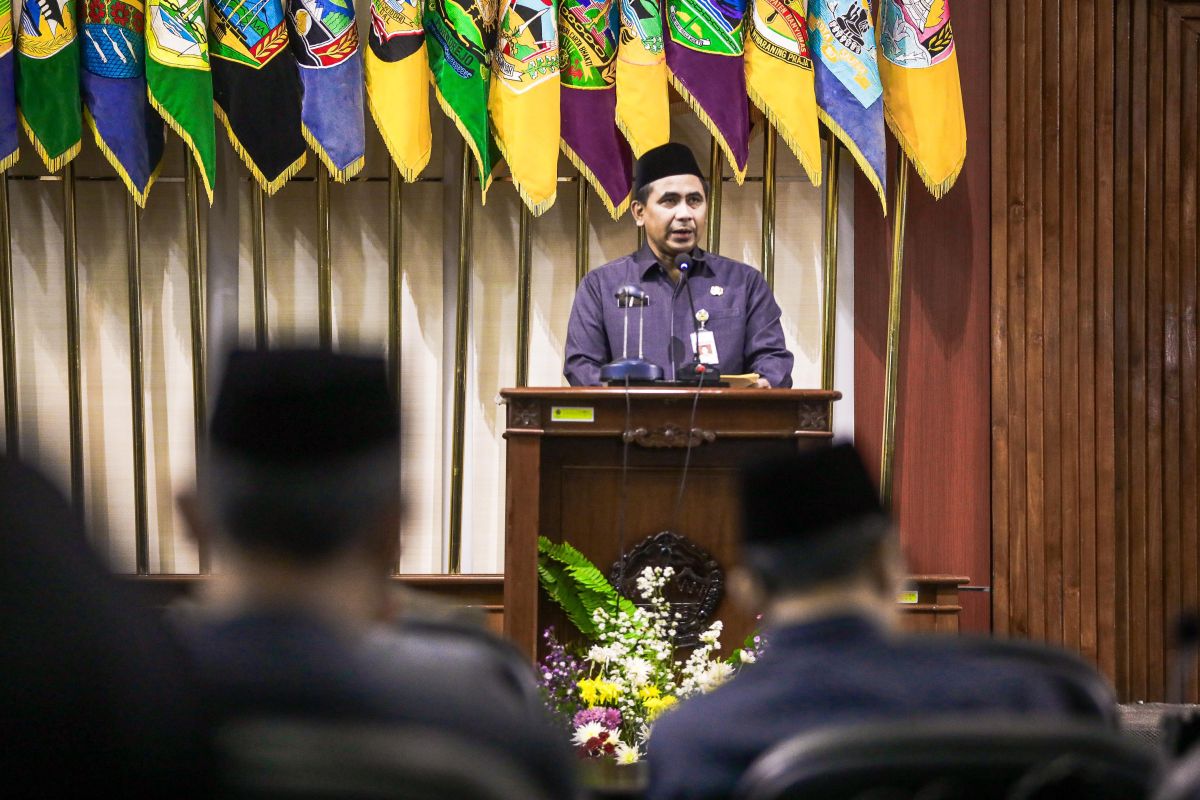
Semarang (ANTARA) - The Central Java Provincial Government, together with the Regional People’s Representative Council (DPRD), is strengthening protections for informal sector workers through the drafting of a Regional Regulation (Raperda) on the Protection of Informal Workers.
Central Java Deputy Governor Taj Yasin Maimoen expressed appreciation for the initiative led by Commission E of the DPRD. “We thank the council members, especially Commission E, for initiating, proposing, and formulating this regulation concerning informal workers. These workers must receive protection,” he stated during a DPRD plenary session at the Berlian Building in Semarang.
Following its enactment as a council decision, the next step will be preparing a gubernatorial regulation as an implementing rule to ensure the bylaw can be applied promptly. He explained that the drafting process has involved various parties, including the public, academics, and relevant stakeholders, so the resulting rules genuinely address the needs of informal workers on the ground.
According to him, informal workers play a crucial role in the regional economy and therefore deserve the same protection as formal workers. “With this regulation, they will be more comfortable, their welfare will improve, and workers will truly receive protection,” he said.
Beyond creating jobs and driving economic activity, the sector also contributes to reducing unemployment. However, most informal workers remain in vulnerable conditions because they have not yet obtained adequate social, economic, or legal protection.
He noted that economic developments, digital transformation, and changing work patterns now demand more adaptive and comprehensive policies to protect informal workers. “Protection for informal workers is not solely oriented towards social assistance, but also includes empowerment, capacity building, strengthening access to social protection, expanding business opportunities, and building an integrated and sustainable protection system,” he stated.
The draft bylaw will regulate various aspects, including the duties and authority of local government, protection and empowerment of informal workers, data collection and information systems, cross-sector collaboration, monitoring and evaluation, and financing. Additionally, the local government is encouraged to build a protection system based on accurate and integrated data as a foundation for policy formulation.
Successful implementation of the regulation will also require collaboration among various parties, including the central government, district and city governments, BPJS Ketenagakerjaan (Social Security Agency for Employment), the business sector, financial institutions, universities, workers’ organisations, and community organisations.