
Central Java Farmers Switch to Secondary Crops to Maintain Productivity During Dry Season
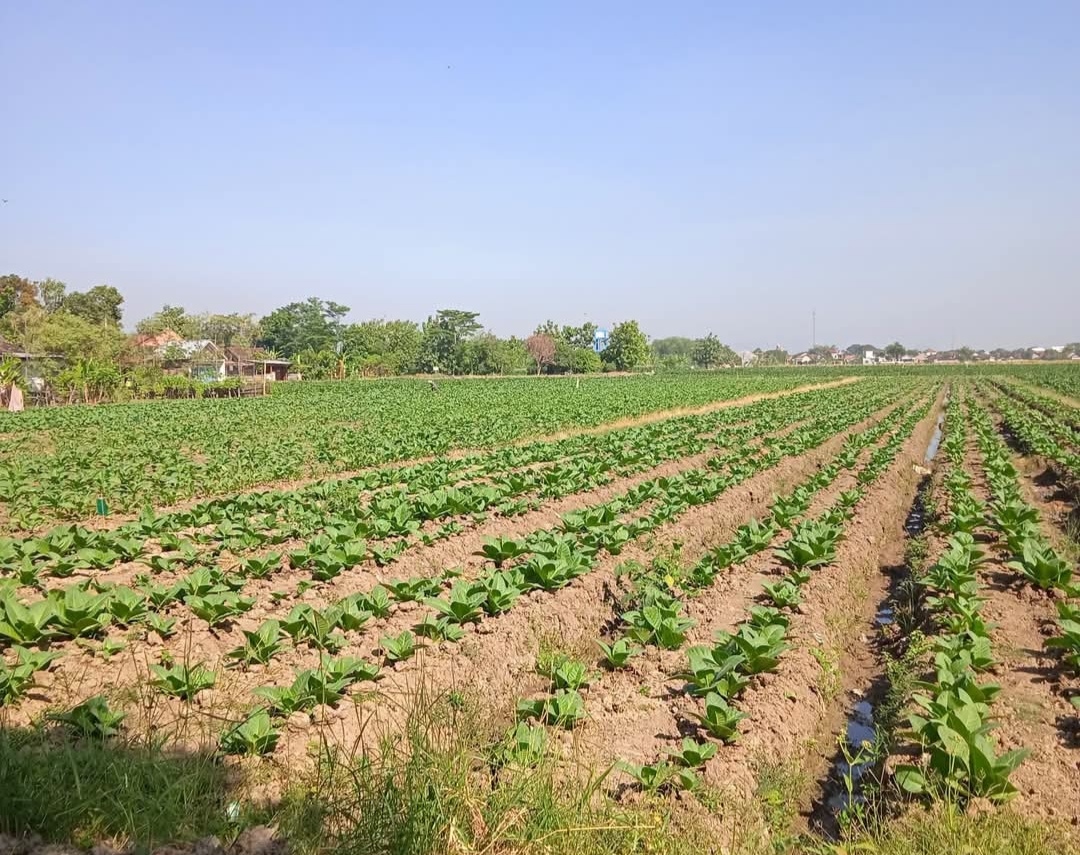
The dry season and limited water for irrigating rice fields have prompted farmers on rain-fed land in several parts of Central Java to switch to cultivating secondary crops, tobacco and upland rice in order to optimise their land.
Monitoring by Media Indonesia on Thursday (13/8) found that nearly three months without rain has pushed farmers, especially those on rain-fed rice fields in several parts of Central Java, to remain creative. In order to optimise their land and keep it productive, they have chosen to shift to crops that do not require as much water.
The choice of secondary crops such as pulses, maize, tobacco and upland rice has allowed farmers in several areas including Kendal, Demak, Grobogan, Pati and Rembang to continue enjoying harvests. “We plant tobacco during a dry season like this. To meet water needs, we dig wells in the rice fields,” said Makhruf, a farmer in Kangkung, Kendal.
A different situation was described by Suradi, a farmer in Mijen, Demak. Facing the dry season and water shortages because rivers and irrigation channels have dried up, farmers in this area have chosen to cultivate seasonal secondary crops such as maize, soybeans, green beans, and some have even planted fruits such as watermelon, melon, blewah or cucumber.
“We choose crops that do not require much water. In fact, to water the plants so they stay alive, some farmers are forced to buy water delivered by tanker trucks because the wells in the rice fields have also dried up,” he added.
A similar account was given by Riyanto, a farmer in Hati, Grobogan. For years, rain-fed land in this area has remained productive despite facing a long dry season because residents have switched to cultivating secondary crops, especially soybeans and maize. Nowadays, quite a few are also planting upland rice.
Meanwhile in Undaan, Kudus Regency, farmers have chosen to maintain rice cultivation in order to keep their agricultural land productive. To meet water needs during the dry season, they have resorted to pumping water from rivers. “The river water has receded and cannot rise into the irrigation channels, so we pump it to meet the needs of the rice fields,” said Bagyo.
Head of the Central Java Agriculture and Animal Husbandry Agency, Defransisco Dasilva Tavares, confirmed this. Although the dry season is ongoing and there are water difficulties for agriculture, especially on rain-fed rice fields, farmers in several areas remain productive by cultivating crops that do not require much water.
Although farmers are being creative by switching to crops other than rice, Defransisco Dasilva Tavares continued, the Central Java Provincial Government is still accelerating repairs to 334 irrigation channel projects in several areas. This is especially important given that 74 percent of rice fields in Central Java, or 717,800 hectares, still rely on irrigation as their source of water distribution.
“Meanwhile, 26 percent, or 252,200 hectares, of land in Central Java consists of rain-fed rice fields that are now planted with secondary crops, tobacco and upland rice,” said Defransisco Dasilva Tavares.
Source: jawawa.id (https://jawawa.id/newsitem/central-java-farmers-switch-to-secondary-crops-to-maintain-productivity-during-dry-season-1786603850)
Originally published by Media Indonesia (https://mediaindonesia.com/nusantara/921352/musim-kemarau-petani-di-jawa-tengah-jaga-lahan-tetap-produktif-dengan-budidaya-tanaman-selain-padi), translated from Indonesian