
Central Java DPRD pushes Land Revolution to strengthen food security
According to data from Statistics Indonesia (BPS), Central Java’s rice production in 2024 reached 8.89 million tonnes of milled dry grain (GKG). This figure cements Central Java’s position as a food barn and the second-largest rice producer in Indonesia. BPS data also records the high potential of the livestock subsector in Central Java, which is able to absorb more than 800,000 workers with production reaching tens of thousands of tonnes of meat per year.
Setya assessed that the people’s economic strength from these food and livestock production centres would have a greater impact if directly integrated with land optimisation. He is therefore promoting an integrated agriculture and livestock concept to accelerate poverty alleviation.
The integration idea has been realised through support for the pilot programme Revolusi Lahan (Revola) Jateng Optimis. The programme, which makes Susukan Village in Wanayasa District, Banjarnegara Regency a pilot location, is considered appropriate for optimising land that has been left uncultivated.
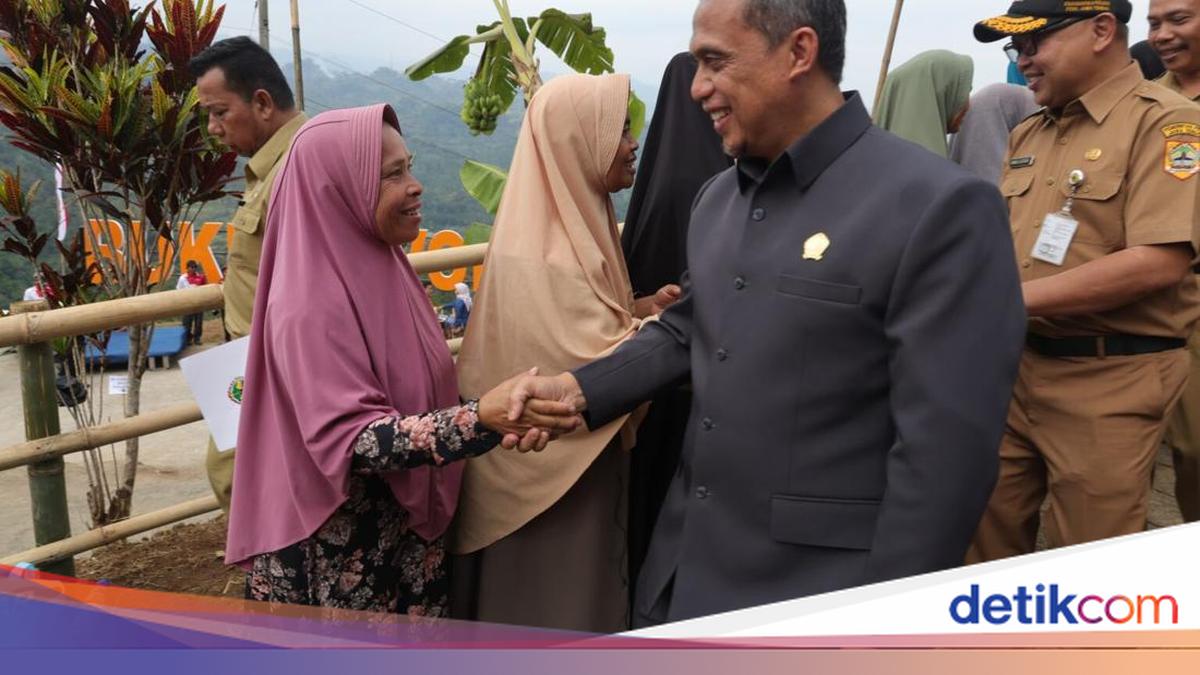
Setya said the move is a solution for maintaining food availability while increasing the income of surrounding communities. “Alhamdulillah, we from the DPRD were able to accompany the Governor to attend the inauguration of the Land Revolution in Banjarnegara Regency. There are several things that we may need to push so that it can be duplicated in all regencies and cities in Central Java,” Setya stressed in his statement on Saturday (15/8/2026).
“Because this is one of our efforts to provide economic empowerment to the entire community, especially farmers. Because this is an integration of agriculture, livestock, plantations and fisheries. We hope that patterns like this can become a step to accelerate poverty handling and reduction,” he added.
He made the remarks after attending the inauguration of the Revolusi Lahan (Revola) Jateng Optimis programme on Monday (10/8).
Setya also paid special attention to the involvement of young people in the agricultural sector. In Banjarnegara, the management of the Revola area has been handed over to young farmers who have begun utilising modern agricultural technology. He said the use of tools such as drones and automatic watering machines has proven to make farmers’ work faster and less labour-intensive.
“The involvement of the younger generation with technological support proves that the agricultural sector can be managed in a more advanced way. This is also a solution to reduce unemployment in villages,” Setya added.
Setya hopes similar programmes will not stop in Banjarnegara Regency. He is encouraging the management of vacant land into productive areas combining agriculture and livestock to be replicated and implemented in all 35 regencies and cities across Central Java.
“If all regions can utilise their vacant land like in Banjarnegara, we will have strong food security in Central Java. The hope is that the welfare of village communities will also be more evenly distributed,” Setya concluded.
For information, the Revola programme in Susukan Village is being developed on approximately 10 hectares of land. The land is no longer vacant, but is planted with various commercially valuable commodities such as coffee, avocado, rice and horticultural crops. In addition to agriculture, the area is also integrated with livestock activities such as chickens and goats, as well as the fisheries sector. The planting of avocado and coffee trees is also used as erosion-control vegetation.