
Central Java Deputy Governor Announces Tighter Forest Protection
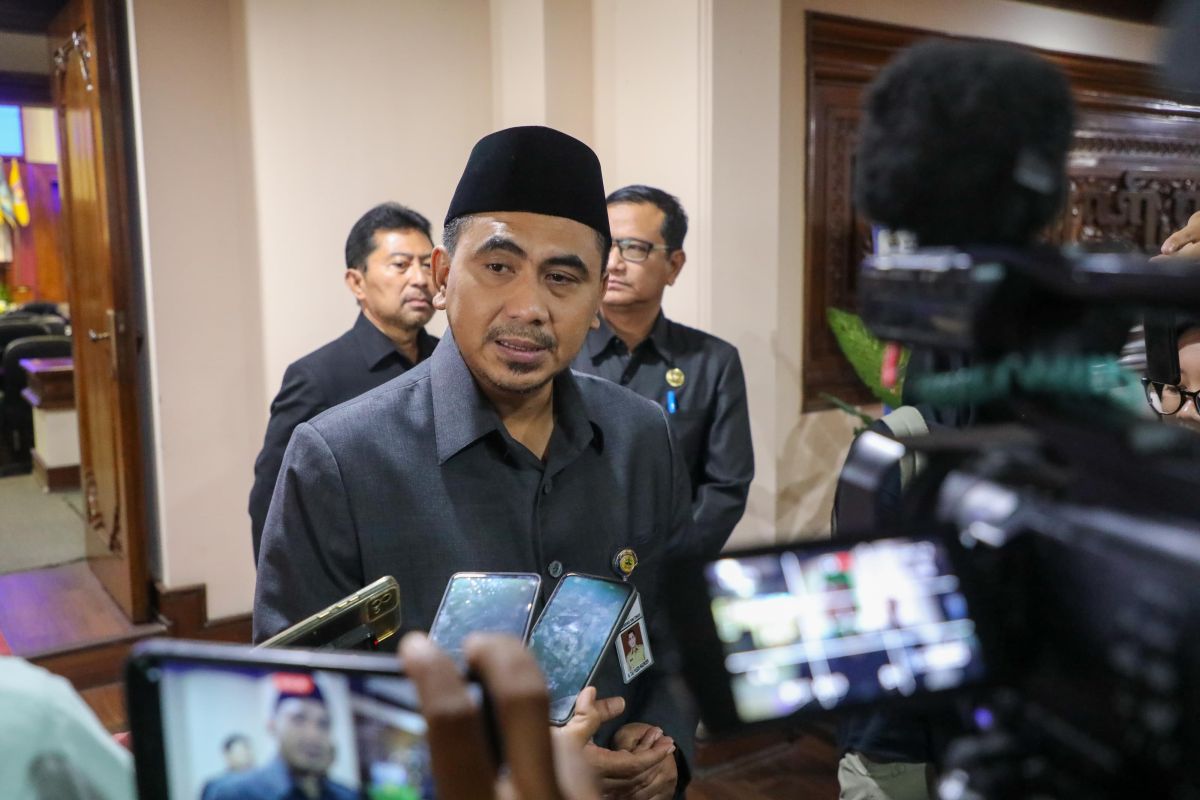
Semarang (ANTARA) – Central Java Deputy Governor Taj Yasin Maimoen has vowed to tighten forest area protection, particularly through regulations on critical land rehabilitation and regional forest restoration. According to him, the proposal to discuss the Draft Regional Regulation (Raperda) on Critical Land Rehabilitation and Forest Restoration Management is a crucial step to strengthen environmental protection in the region. “With this regulation, forest management will be stricter in the future, so the condition of forests in Central Java can improve,” said the Deputy Governor, representing Central Java Governor Ahmad Luthfi, during the Central Java Regional House of Representatives (DPRD) Plenary Session at Berlian Building, Semarang, Tuesday. “Mount Slamet is one of our concerns. There are areas we want to facilitate to prevent deforestation. Similarly, other mountains, including in Pati Regency where there are still bare forests,” he said. He stressed that regulatory strengthening is necessary to provide a firmer legal basis for forest protection while also enhancing public education on the importance of preserving forest areas. “This is still in the drafting stage and will be discussed collectively. The clear direction is tightening to improve forest protection,” he said. Land conversion in several regions has been used for plantations and vegetable crops, affecting the soil’s ability to absorb water and maintain slope stability. “If large trees are replaced with vegetables, the soil’s binding capacity is naturally different and weaker,” he said. Therefore, he said, the Central Java provincial government fully supports the discussion of the Raperda to ensure environmental conservation efforts are more directed, measurable, and sustainable. Meanwhile, Central Java DPRD Commission B Secretary Sholeha Kurniawati stated that the current environmental and forest conditions in Central Java face serious challenges. Land conversion, forest damage, erosion, sedimentation, and declining river basin quality, she said, have increased the risk of floods, landslides, and droughts in various regions. “There are still critical lands requiring serious and sustainable handling, both within and outside forest areas,” she said. Therefore, she said, regional policies are needed to provide direction, guidelines, and legal certainty for critical land rehabilitation and forest restoration. She stressed that the Raperda is designed to ensure land rehabilitation is managed in a planned, systematic, integrated manner, involving all stakeholders from government, business, academia to the public. In addition to serving as a legal basis for forest area recovery, the regulation also aims to strengthen inter-departmental coordination, enhance monitoring effectiveness, encourage public participation, and ensure funding support for environmental rehabilitation.