
Central Java Allocates Rp1.7 Trillion in Village Aid, Proving Tax Revenue Returns to Communities
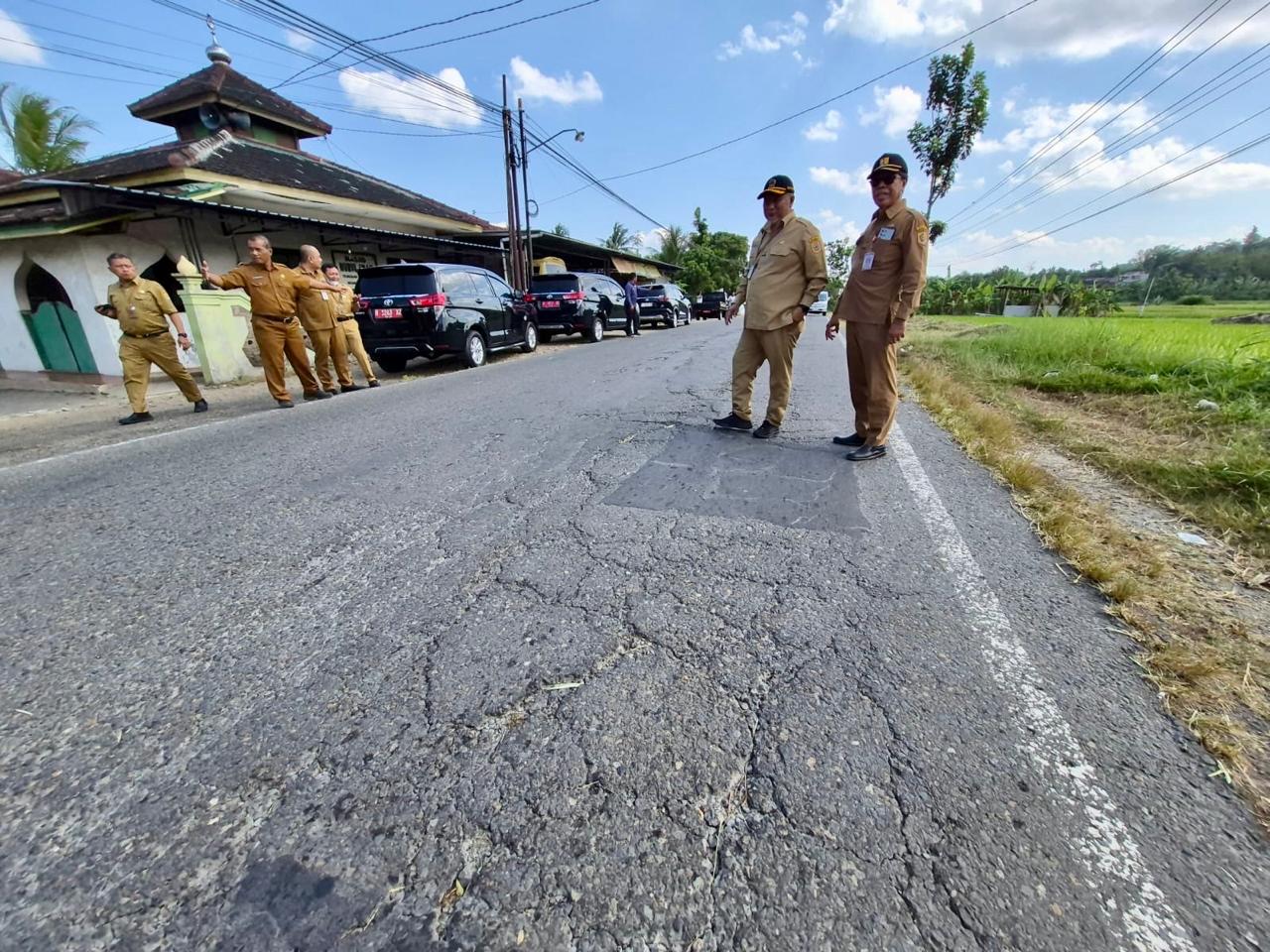
The Central Java Provincial Government has allocated Village Government Financial Assistance (Bankeupemdes) amounting to Rp1.7 trillion for 2026 to support the development of facilities and infrastructure in villages. The budget, sourced from the provincial budget (APBD) and primarily from vehicle tax revenue, will be distributed to 13,093 locations across 29 districts.
Head of the Village Governance Division at the Central Java Dispermadesdukcapil Office, Eko Sukoco, stated that the programme is a concrete example of tax benefits returning to the community. The Bankeupemdes funds are used for the construction of roads, bridges, irrigation channels, and educational, social, cultural, and sports facilities.
“Taxes paid by the community will return to the community, one of which is through financial assistance for village facilities and infrastructure,” Eko said on Monday (15/6).
According to him, the Bankeupemdes allocation has increased from approximately Rp1.6 trillion in 2025 to Rp1.7 trillion in 2026. Besides accelerating development, the programme also stimulates the village economy by involving local labour and using materials from the local community.
One of the beneficiaries is Banyubiru Village in Semarang Regency. The village head, Sri Anggoro Siswaji, explained that the assistance was used to build drainage retaining walls and cliff retaining walls, which help reduce the risk of flooding and landslides while supporting the development of the village’s tourism area. “The work is done by residents, and spending is also within the village. So the economic circulation returns to the community,” he said.
Residents have also felt the benefits of the development. The drainage retaining wall in Tegalwuni Hamlet has made water flow more smoothly and reduced the potential for flooding, while the cliff retaining wall in Dangkel Hamlet has improved environmental safety from landslide threats.
The Bankeupemdes programme serves as evidence that taxes paid by the public can return in the form of development that directly benefits them, while simultaneously strengthening the village economy through community empowerment and the spirit of mutual cooperation.