
Central Jakarta residents' participation in waste sorting movement continues to rise
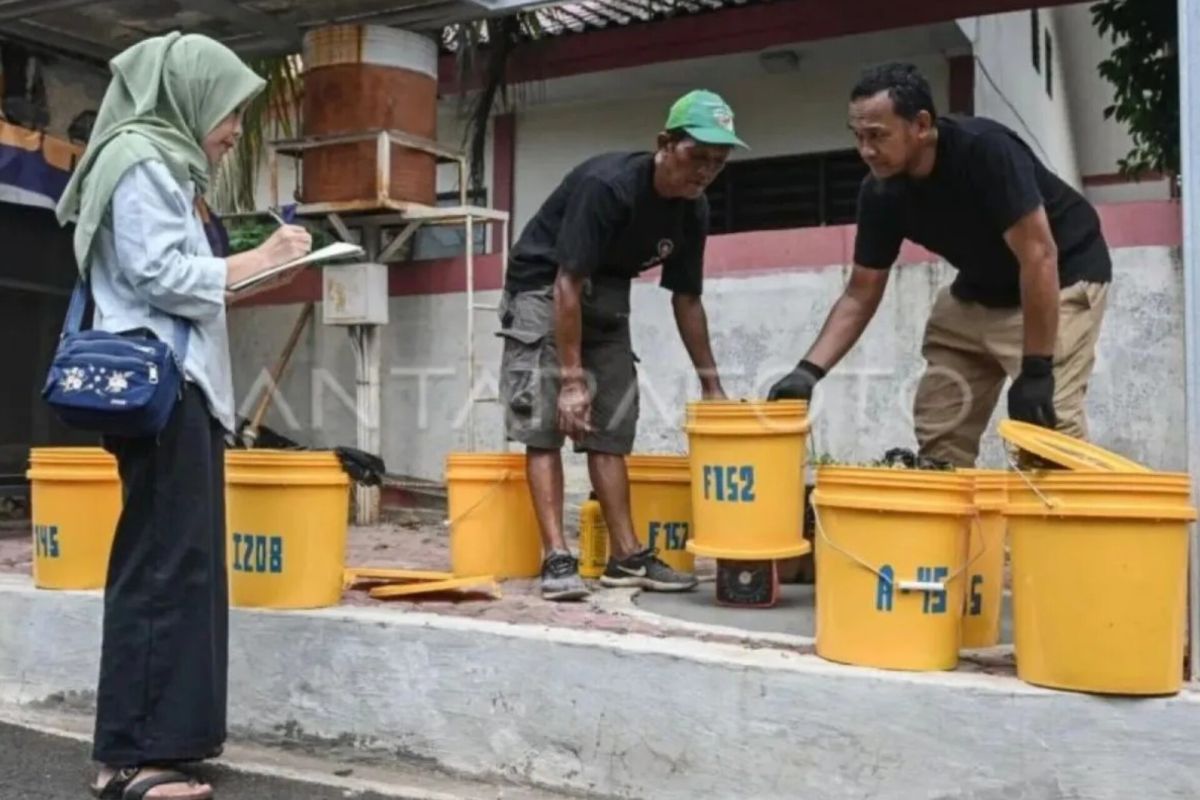
Jakarta (ANTARA) - Public participation in Central Jakarta’s Source-Based Waste Sorting Movement continues to show improvement alongside intensified socialisation and education efforts. Head of the Central Jakarta Environmental Sub-Agency, Slamet Riyadi, said that as of 1 July 2026, a total of 20,209 households, or 16.23 percent of the 124,519 homes in Central Jakarta, had implemented waste sorting. “The number of homes sorting waste continues to increase compared to the previous month. This increase is driven by the socialisation and education we carry out directly,” Slamet Riyadi said in Jakarta on Friday. Slamet Riyadi noted that in May 2026, the number of households in Central Jakarta sorting waste was recorded at 12,948 homes. By 22 June 2026, that figure had risen to 14,330 homes. As of 1 July 2026, a total of 20,209 homes spread across eight sub-districts had adopted waste sorting. He also mentioned that socialisation and education are conducted down to the neighbourhood unit (RT), community unit (RW), urban village, sub-district, and hotel, restaurant, and café (horeka) sectors to broaden the coverage of households sorting waste. In addition to expanding public participation, the Central Jakarta Environmental Sub-Agency is also optimising waste reduction by strengthening waste banks and processing organic waste at the source. He explained that unit waste banks successfully reduced waste generation by 1,176.32 tonnes from January to June 2026, averaging 6.21 tonnes per day. Meanwhile, organic waste processing using various methods, such as Black Soldier Fly (BSF) larvae bioconversion, composting, and other methods, has reduced approximately 200 tonnes of organic waste from January to June 2026. According to Slamet, sorting waste from home is an important step to reduce the volume of waste sent to the Bantargebang Integrated Waste Processing Site (TPST), while increasing the utilisation of waste that still has economic value or can be reprocessed. Therefore, his agency will continue to expand education and assistance to the community so that more households adopt the habit of sorting waste at the source as part of sustainable waste management. “The main key to the success of this programme is community behaviour change. In addition, businesses and markets are also making efforts to sort and reduce waste at the source,” he said.