
Central Jakarta Bapas urges public to end stigma against ex-convicts
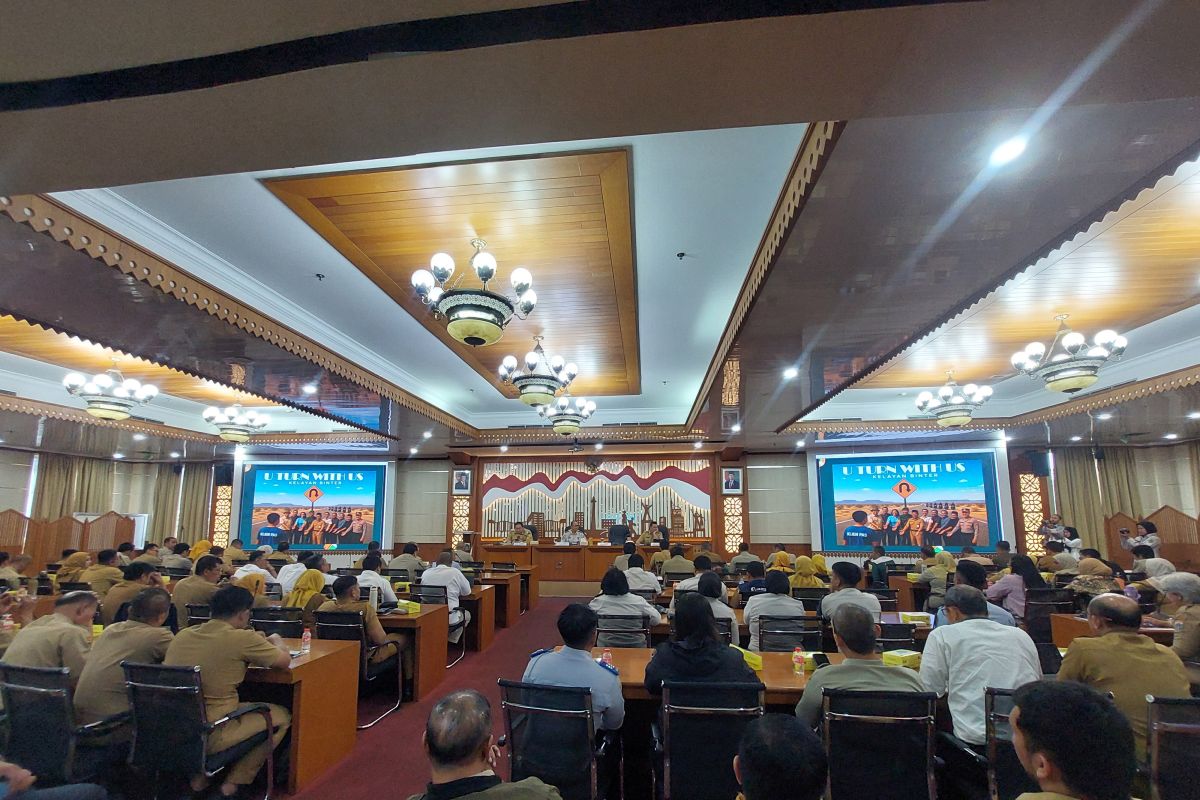
The Central Jakarta Correctional Centre (Bapas) has urged the public to remove the stigma attached to former prisoners undergoing conditional release so that they can function socially again and gain the opportunity to live independently.
Acting Head of Central Jakarta Bapas Ade Kusmanto said community support is essential because Bapas clients must return to their social environment after serving their sentences in correctional institutions.
“Do not stigmatise them, do not ostracise them. They need to be empowered, they need to be reached out to and engaged,” Ade said during a Regional Coordination Meeting at the Central Jakarta Mayor’s Office on Tuesday.
Ade explained that Bapas clients are prisoners who have met the requirements to serve the remainder of their sentences outside correctional institutions through integration programmes, including conditional release.
During the programme, they are required to report and receive guidance and supervision from Bapas.
According to him, community research findings show that many clients face economic, educational and social problems, and therefore need support when returning to society.
Ade said this situation can become a problem if the public instead stigmatises former prisoners.
They may feel alienated in their own neighbourhoods after spending years inside correctional institutions.
“When they come out, all their friends are gone, their families are gone too, and they are confused. In the end, within a few hours they are trying to figure out how to get back into prison,” he said.
For this reason, Central Jakarta Bapas is encouraging the involvement of neighbourhood units (RT), community units (RW), sub-districts, community leaders, law enforcement officers and regional government bodies in the social reintegration process for clients.
Ade said reintegration does not only mean being accepted back into their residential environment, but also being given access to employment, education, consultation and skills training.
Furthermore, Ade said Central Jakarta Bapas has established a number of partnerships to empower clients.
Ten clients have received empowerment through cooperation with the Ministry of Manpower, and 22 clients have taken part in financial literacy activities.
In addition, clients have received culinary training and other skills to support their economic independence.
“We want them to become independent individuals who do not return to prison,” Ade said.
Bapas is also encouraging the formation of an Integrated Guidance Service Group (Kelayan Binter) as a platform for collaboration among various stakeholders in guiding and supervising clients spread across Central Jakarta.
Ade expressed hope that the public will give former prisoners the opportunity to participate again in social and economic life, so that the reintegration process can proceed and the risk of repeat offences can be reduced.
“The aim is to reduce public stigma towards correctional clients and provide space for public participation in the social reintegration process,” he said.