
Central Banks Keep Buying: Is Gold Investment Still Viable After Price Surge?
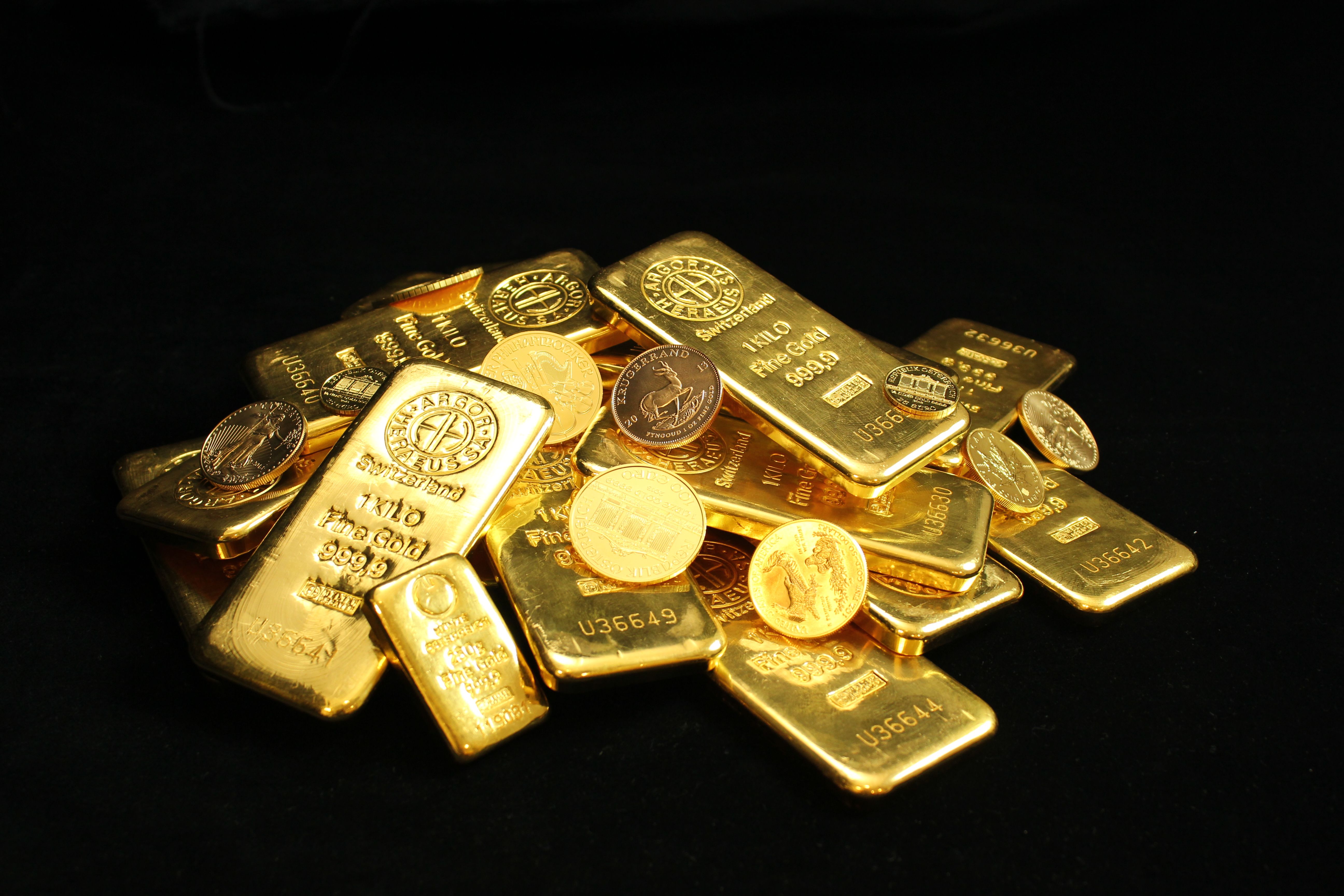
Global gold prices have recorded an increase of around 21.16% over the past year. This rise has led some investors to begin asking: is now still the right time to buy gold, or would it be better to wait for a price correction?
Such hesitation is quite natural. Buying an asset after its price has risen often creates the worry of buying at the “peak”. However, looking at the fundamental factors driving the current rise in gold prices, there is one interesting fact worth noting: central banks in various countries are still continuing to add to their gold reserves.
For long-term investors, this signal deserves attention.
Why Are Central Banks Still Buying Gold?
Central banks have different objectives from retail investors. They do not buy gold in search of short-term profits, but rather as part of a strategy to maintain the stability of their foreign exchange reserves.
Amid global economic uncertainty, rising geopolitical risk, and shifting dynamics in the international financial system, gold remains regarded as an asset capable of preserving its value over the long term.
The latest data from the World Gold Council (WGC) shows net gold purchases by central banks reached 244 tonnes in the first quarter of 2026, an increase of around 17% compared with the previous quarter and above the historical average.
This trend has continued into the middle of the year. Based on WGC data, net gold purchases by central banks in May 2026 reached approximately 41 tonnes, with Poland, China, Uzbekistan and Kazakhstan among the largest buyers. Furthermore, the People’s Bank of China has added to its gold reserves for 20 consecutive months, including its largest addition since 2023 in June 2026.
The consistency of these purchases shows that even though gold prices have risen, many central banks still consider gold an important component of their reserve portfolios.
What Does This Mean for Retail Investors?
Of course, individual investors have different investment goals from central banks. However, the reasons for holding gold are often similar.
Gold has long been known as a diversifying asset that can help preserve portfolio value when financial markets experience turbulence. When equities, bonds or currencies come under pressure due to economic or geopolitical uncertainty, gold is often one of the assets investors turn to.
That is why gold is seen not merely as an instrument for chasing profits, but also as part of a long-term wealth preservation strategy.
Prices Have Already Risen — Should You Wait for a Correction?
This is the question that arises most frequently when gold prices record a significant increase.
Unfortunately, no one can be certain when prices will peak or when a correction will occur. Even global analysts have differing projections, because gold prices are influenced by many factors, ranging from central bank interest rate policies, inflation, and the US dollar exchange rate, to geopolitical developments.
For this reason, many investors opt for a more disciplined approach: buying gradually, or dollar-cost averaging (DCA).
With this strategy, investors do not need to guess the best time to enter the market. Instead, purchases are made regularly according to one’s financial capacity, reducing the risk of buying an entire investment at a single price point.
Such an approach also helps build a long-term investing habit without being overly affected by daily price fluctuations.
Why Could the Rise in Gold Prices in Indonesia Be Even Greater?
Indonesian investors buy gold in rupiah. Therefore, movements in the domestic gold price are influenced not only by the rise in the world gold price, but also by the rupiah exchange rate against the US dollar.
When global gold prices rise in tandem with a weakening rupiah, the price of gold in rupiah has the potential to increase even further.
This is reflected in the Treasury gold buy price on Bareksa, which has risen by around 35% over the past year, based on data as of 13 July 2026.
Nevertheless, for investors with long-term goals, the primary focus should not be on finding the lowest price, but on building gold ownership gradually and consistently.
Digital Gold Investment Is Now More Practical
Investing in gold no longer requires buying large quantities of gold bars up front.
Through Treasury on Bareksa Emas, investors can begin buying digital gold gradually according to their means, with the physical gold stored in a custodian’s vault. Prices follow market movements, transactions can be carried out online, and gold holdings can be monitored more conveniently through a single application.
This investment model makes it easier for investors who wish to apply a regular purchasing strategy without first needing to accumulate a large sum of money.
Conclusion
The rise in gold prices has indeed made some investors hesitant to start investing. However, behind this rise there are still strong fundamental factors, one of which is the continued gold purchases being made by the world’s central banks.
For retail investors, this situation serves as a reminder that gold is not merely an instrument for chasing short-term gains, but rather one of the assets that can help strengthen a portfolio over the long term.
With the ease of investing through Treasury gold on Bareksa, building gold ownership gradually has now become easier to do.