
Celios urges Danantara to be meticulous in downstream project pre-selection
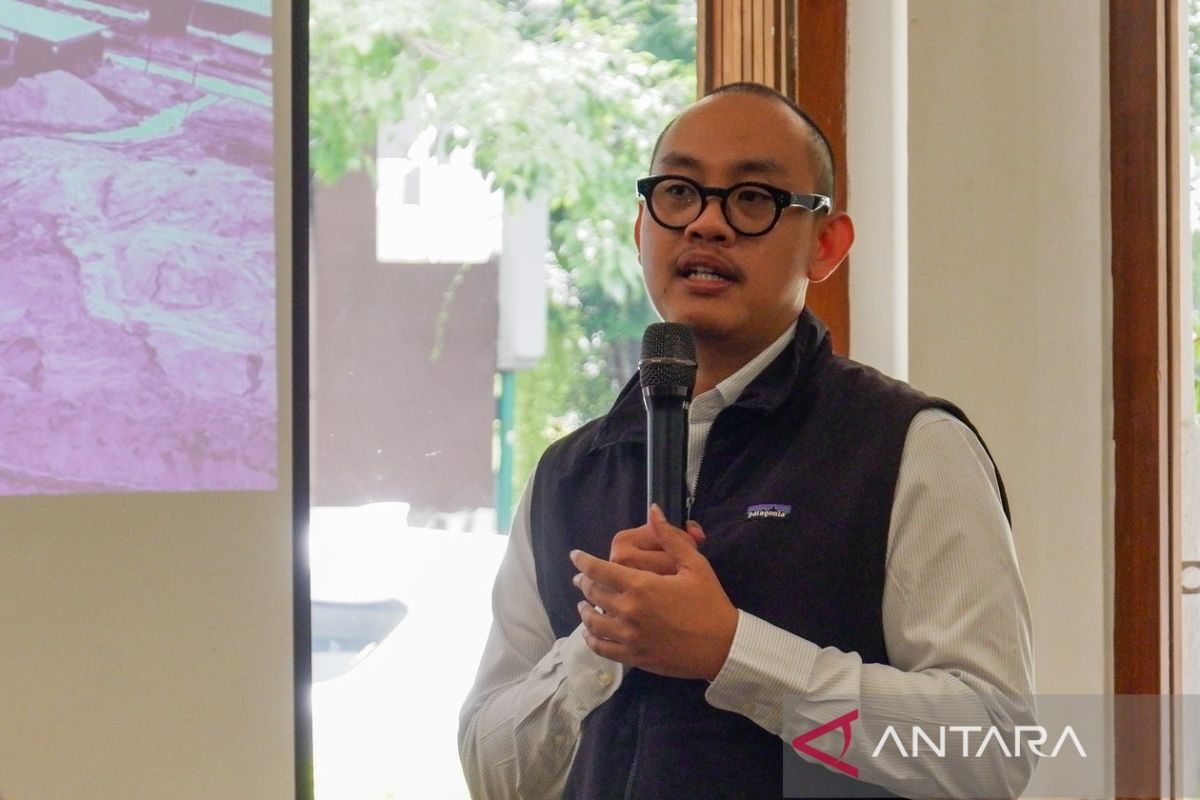
Jakarta (ANTARA) - Bhima Yudhistira Adhinegara, Executive Director of the Centre of Economic and Law Studies (Celios), has said that Danantara, as an Associate Member of the International Forum of Sovereign Wealth Funds (IFSWF), must be rigorous in the pre-selection of national downstreaming projects.
Danantara is currently handling 26 downstreaming projects with a total investment value of Rp225 trillion, projected to absorb 37,833 workers.
“Danantara has joined the global SWF coalition and holds the Santiago Principles, which must be applied in project pre-selection,” Bhima said when contacted in Jakarta on Friday.
He said Danantara could pay special attention to the project selection process, risk management including fiscal risk, impact measurement, and coordination to reduce policy conflicts.
“Danantara needs to take a position as a bridge between technical ministries, regional governments and investors,” he said.
Danantara previously reported that the 26 downstreaming projects cover a range of strategic commodities, from the mining sector — including the construction of aluminium, stainless steel and copper smelters — to the energy and food sectors through the development of bio-aviation fuel facilities, bioethanol, palm oil processing, coconut industry, and integrated chicken farming.
The projects will be implemented in two phases, with the first phase beginning with a groundbreaking on 6 February 2026.
This first phase covers six priority projects across 13 locations, with an investment value of Rp109 trillion and the potential to absorb 11,456 workers.
Furthermore, the second phase begins with a groundbreaking on 29 April 2026, comprising 10 priority projects across 13 locations with an investment value of Rp116 trillion and an estimated absorption of 26,377 workers.
Bhima said Indonesia should indeed be ambitious in developing its downstreaming potential, particularly projects capable of absorbing skilled labour and adding value to derivative products.
“Indonesia should be ambitious. We have potential in food, fisheries and renewable energy — why settle for business as usual? What needs attention is that projects must follow proper procedures, such as readiness, technical and financial feasibility, and the surrounding social and environmental conditions,” Bhima explained.