
Celios: Strengthening worker talent drives creative industry competitiveness
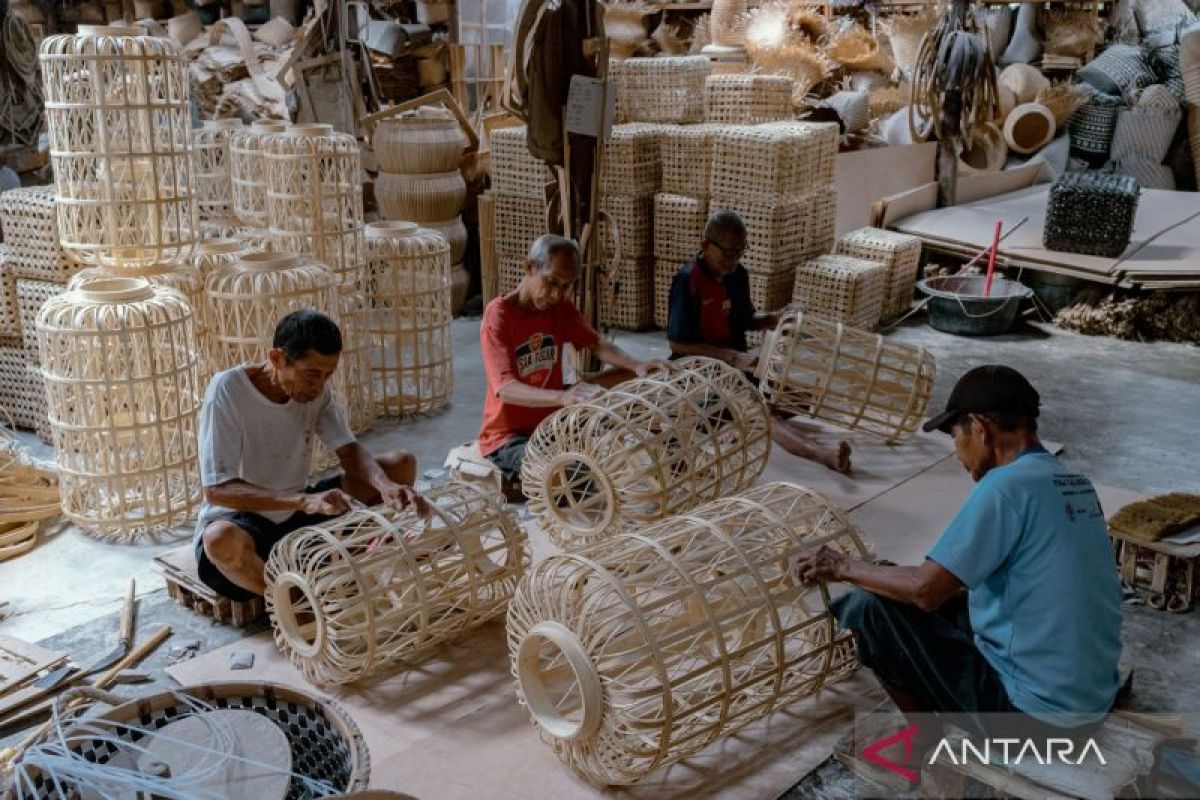
The President Director of the Centre of Economic and Law Studies (Celios), Bhima Yudhistira, stated that strengthening skilled workforce talent can bridge industry needs, thereby boosting the competitiveness of the creative industry as a pillar of national economic growth.
Bhima noted that based on data from the Central Bureau of Statistics for 2025, the labour force has reached 153 million people, a potential that can be optimised through improved quality of education, training, and skill certification.
“Data shows that Indonesia’s labour force has reached 153 million people, yet only 12.66 per cent possess higher education, and more than 30 per cent of companies face difficulties in recruiting quality talent,” Bhima told ANTARA in Jakarta on Monday.
Bhima stated that the demand for skilled labour, particularly in the digital economy sector, is expected to continue increasing until 2030.
He also highlighted that the gap between the availability of skilled workers and low labour absorption could trigger a shift in the creative industry towards greater use of AI or machine learning, as companies struggle to find talent from universities or vocational school graduates.
This condition serves as a momentum for the government, the education sector, and industry players to accelerate the creation of digital talent so that Indonesia can meet domestic industrial needs while capitalising on technology-based economic opportunities.
He added that Indonesia has a significant opportunity to strengthen the competitiveness of the creative economy through more equitable human resource development that aligns with industrial requirements.
Currently, the majority of the creative industry workforce is still concentrated on Java. Therefore, strengthening education and training centres in Eastern Indonesia is seen as a way to unlock new economic opportunities and expand public access to quality employment.
“The most crucial issue is the gap caused by geographical concentration. As many as 58 per cent of the creative industry workforce is still located in three provinces in Java, while the proportion in Eastern Indonesia is very small,” he said.
Bhima stated that aligning educational curricula with industrial needs, including the provision of internship programmes and professional certification, is believed to accelerate the emergence of ready-to-use labour.
This step would not only support digital sub-sectors such as gaming, animation, software, and digital content, but also enhance the competitiveness of the culinary, fashion, and craft sub-sectors.
According to him, the digital creative industry is growing more rapidly with competitive salaries, whereas traditional sub-sectors such as culinary, fashion, and crafts tend to experience labour informality.
Strengthening protections for workers in the creative economy, particularly those still in the informal sector, is also a vital part of creating a sustainable industrial ecosystem.
With support for competency enhancement, talent distribution, and labour protection, the creative economy has the potential to become one of the engines of national economic growth while creating quality jobs across various regions.