
Celios proposes fiscal stimulus to prevent the impact of energy price hikes on MSMEs
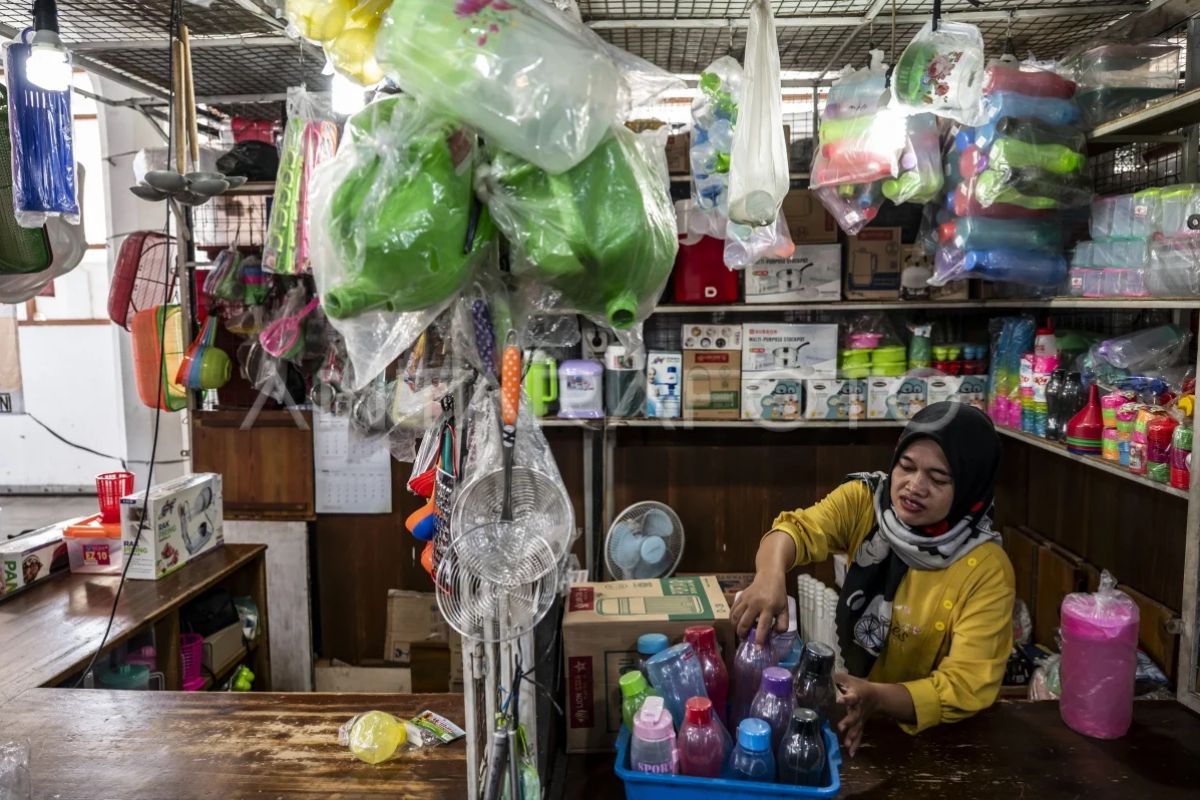
MSMEs are the last line of defence, so they must be urgently assisted with a policy mix.
Jakarta (ANTARA) - Executive Director of the Center of Economic and Law Studies (Celios), Bhima Yudhistira, assesses that the global rise in energy prices has the potential to pressure micro, small, and medium enterprise (MSME) actors, thus necessitating fiscal stimulus to maintain MSME sustainability.
Bhima explained that the energy price increase impacts MSMEs reliant on imported raw materials, including plastic packaging derived from petroleum by-products.
“For example, in the food and beverage sector, which is affected by a 40-70 per cent rise in plastic packaging prices. So far, food and beverage MSMEs have adapted by reducing sizes and quality to avoid disrupting demand,” he told ANTARA in Jakarta on Tuesday.
According to him, consumers are not yet ready to face price adjustments, but the ongoing rise in raw material costs will eventually be passed on to selling prices.
If conditions do not improve in the next 2-3 months, Bhima warns of the risk of rising non-performing loans (NPLs) for MSMEs and a surge in layoffs (PHK) in the informal workforce sector.
“MSMEs are the last line of defence, so they must be urgently assisted with a policy mix,” he emphasised.
Therefore, Celios urges the government to promptly prepare fiscal stimulus to prevent the impact of energy price hikes on MSMEs.
Bhima proposed four main recommendations: lowering the value-added tax (VAT) rate to 9 per cent from 11 per cent as a stimulus for consumers and business actors; ensuring sufficient energy subsidy budgets through reallocation from non-urgent programmes.
Additionally, he suggested that the government expand MSME interest rate reduction programmes, both through and outside the People’s Business Credit (KUR) scheme, and maintain exchange rate stability to prevent excessive fluctuations in imported raw material prices.
Meanwhile, General Secretary of the Indonesian MSME Association (Akumindo), Edy Misero, revealed that MSME actors are beginning to feel the impact of energy price increases, including plastic raw materials triggered by global geopolitical turmoil.
He emphasised that MSMEs using plastic pellets as their main raw material, such as bucket, toy, and tarpaulin producers, are the most affected groups.
“Up to now, raw materials needed by MSMEs as primary production inputs are estimated to experience price increases as well. However, the extent of the increase has not been fully detected because the upward trend is just beginning,” Edy said when contacted separately.
Edy stressed the importance of adjusting profit margins to keep businesses running and urged the government to prepare emergency policies in the form of adjustments to plastic pellet import taxes.
“Plastic pellet prices are already expensive; do not add a heavy tax burden. Adjustments are needed until conditions return to normal,” he said.