
Ceasefire Deal Reached, Iran Issues Ultimatum to Israel
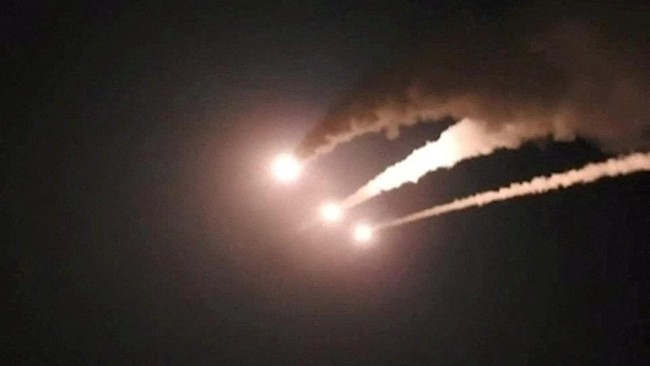
Iran and Israel have announced a cessation of mutual attacks on Monday (08/0_6/2026). This significant decision follows a direct appeal from US President Donald Trump, who urged both parties to immediately cease hostilities.
According to Reuters, Tehran stated it would resume attacks if Israel continues to strike its allied militia, Hezbollah, in Lebanon. The Iranian military headquarters stated that it had already delivered a painful response to Israel’s strikes in Lebanon, including bombardments on the outskirts of Beirut on Sunday.
“Therefore, armed forces operations are hereby declared ceased. However, it is emphasised that if aggression and chaotic actions continue—including in southern Lebanon—actions far more severe and destructive than before will follow,” stated the Iranian military.
Meanwhile, Trump posted on social media regarding the current situation in the Middle East, asserting that both nations desire peace. “Israel and Israel both want an immediate CEASEFIRE! Final negotiations regarding ‘Peace’ are underway, subject to the ignorance or stupidity that obstructs it,” Trump wrote.
Trump added that the United States blockade of Iranian ports will remain in effect until a final agreement is reached. An Israeli official noted that Trump spoke with Prime Minister Benjamin Netanyahu on Monday.
Previously, an Israeli military official stated that their forces were prepared to continue operations for as long as necessary, confirming strikes against newly rebuilt Iranian air defence systems. Iranian officials expressed a similar defiant stance, with a military source cited by the semi-official Tasnim news agency stating that Tehran is prepared for a prolonged conflict and may renew attacks on US interests in the region if the situation worsens.
The recent 24-hour exchange of attacks represents the most direct confrontation between the two nations since the ceasefire in April. This tension had immediate global economic consequences; world oil prices surged by 5% following the strikes before retreating after Iran announced the end of the first wave of attacks. The US dollar also retreated from its highest level in nearly two months.
The conflict highlights the ease with which battles can escalate into broader regional confrontations. While the April 8 ceasefire had prevented total war, tensions in the Gulf have persisted since the conflict was initially launched by the US and Israel on 28 February.
Iranian Foreign Ministry spokesperson Esmaeil Baghaei stated that Tehran is engaged in important communications with Washington, accusing Tel Aviv of attempting to disrupt Iran-US diplomacy. “Israel’s actions in Lebanon, whether conducted with US knowledge and consent or not, aim to sabotage diplomacy,” he said.
Israel has not ceased its campaign in Lebanon, which has resulted in thousands of deaths. Israel maintains that the Lebanon conflict must be treated separately from the Iran ceasefire, while Hezbollah continues its attacks against Israel.
Tehran has long maintained that any peace agreement with the United States depends on the end of fighting in Lebanon. Israel invaded the territory in March to pursue Hezbollah fighters, who had been firing across the border in solidarity with Tehran.
US Ambassador to Lebanon, Michel Issa, stated that Lebanon-Israel negotiations are scheduled to resume in Washington on Monday. Tehran continues to block much of the shipping through the Strait of Hormuz, a vital artery that carries one-fifth of the world’s crude oil and liquefied natural gas. Washington has also imposed its own blockade on Iranian ports.
Trump stated that any peace deal must prevent Iran from developing nuclear weapons. Iranian demands include the lifting of international sanctions, the release of billions of dollars in frozen assets, and recognition of its influence over the strait.