
Ceasefire Collapses, Here Are the Latest Scenarios for the US-Iran War
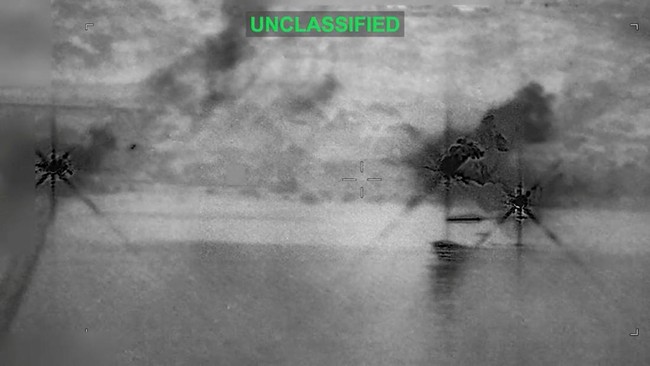
US President Donald Trump’s hopes of quickly exiting the conflict with Iran have once again been dashed after both countries launched fresh attacks against each other. The latest escalation has made the previously agreed ceasefire increasingly fragile and sparked concerns of a prolonged war that could shake regional stability and global energy markets. “Trump has placed himself in a difficult position. Whether through military or diplomatic means, it appears he will not gain much from Iran,” said Aaron David Miller, a former Middle East negotiator for both Democratic and Republican administrations. “Trump’s room for manoeuvre is now increasingly narrow because every option carries significant risk,” he added. Tensions rose again after Trump declared the ceasefire agreement “over” and ordered new strikes in response to Iranian attacks on US military facilities in Bahrain and Kuwait. That action followed Washington’s bombardment of Iranian targets in retaliation for attacks on oil tankers in the Strait of Hormuz. Amid the escalation, global oil prices surged by around 7 per cent, reflecting market fears over disruptions to global energy supplies. More than three weeks after the two nations signed a memorandum of understanding to begin a ceasefire, the latest developments show the path to peace remains far from complete. Several analysts believe Trump faces equally difficult choices: ramping up military operations with the risk of open war, or softening his approach, which could strengthen Tehran’s bargaining position. Trump is also thought to still hope that military pressure will force Iran back to the negotiating table over its nuclear programme. However, many observers consider the chances of Tehran making major concessions to be very slim. Meanwhile, domestic political pressure is mounting as public satisfaction with his administration declines, ahead of the US midterm elections in November, which could shift power away from the Republicans and Trump. Former US national intelligence officer for the Middle East, Jonathan Panikoff, predicted the conflict would not escalate into a full-scale war, but believed repeated violence would continue without a resolution. “The situation will not return to a full-scale war,” he asserted. “But the default setting now is managed instability, repeated violence without a permanent exit.” At the root of the latest dispute are differing views on the future of the Strait of Hormuz, a waterway through which about a fifth of the world’s oil trade passes. Iran wants to retain a role in managing the strategic chokepoint, whilst the US and Gulf states demand unimpeded freedom of navigation. “The Iranians assess that Trump does not want to be dragged into an endless war, and the Gulf states desperately want normality. Their bet is that Trump will fight for a few days, and then the Arab Gulf states will pressure him to stop,” said Jon Alterman, an analyst at the Center for Strategic and International Studies. Laura Blumenfeld, an observer from Johns Hopkins University, believes economic factors will also determine Trump’s next steps. She argued that rising energy prices due to the conflict could worsen US economic conditions and become a political liability ahead of the elections. Consequently, even as the war heats up again, many observers predict the conflict will continue in a pattern of repeated, limited escalation, with no permanent resolution in the near future.