
Ceasefire at Risk of Collapse as Israel Orders Evacuation of 14% of Lebanese Territory
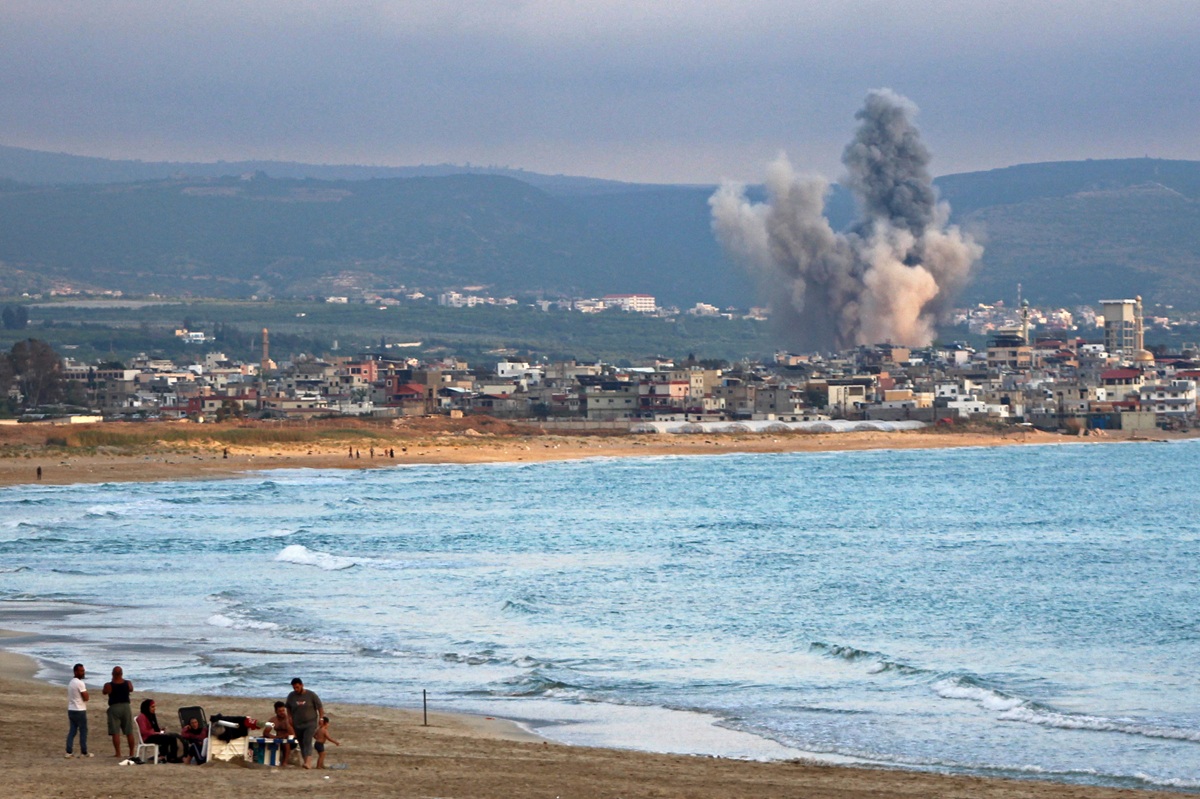
The Israeli military (IDF) has issued a large-scale evacuation order covering much of southern Lebanon. The IDF has designated the area as a ‘combat zone’ ahead of new attacks against Hezbollah.
Residents are urged to move north of the Zahrani River, approximately 40 kilometres from the border. The IDF has vowed to act ‘with extreme force’ and accused Hezbollah of repeatedly violating the ceasefire. This is the largest evacuation order since the ceasefire took effect on 17 April, covering around 14% of Lebanon’s total territory.
The escalation follows an announcement by Israeli Prime Minister Benjamin Netanyahu, who expanded ground operations after Hezbollah drone attacks targeted Israeli forces in southern Lebanon and civilians in northern Israel.
‘We are strengthening the security zone to protect communities in the north [of Israel],’ Netanyahu stated in a cabinet meeting.
Shortly after the evacuation order was issued, Israeli fighter jets bombed Tyre, one of southern Lebanon’s largest cities. The attack triggered panic and fresh mass displacement.
Rida, 52, a café owner near Tyre’s coast whose home was destroyed in last month’s attack, said the current situation feels different. ‘I went to the harbour and there were many people there,’ Rida said by phone on Wednesday. ‘People are packing their belongings. Everyone is terrified.’
The evacuation order south of the Zahrani River affects around 300 towns and villages. Many residents, including those previously displaced from other areas, are now struggling to find shelter. Officials and humanitarian workers say Sidon can no longer accommodate the influx of refugees, urging people to move further east to the Beqaa Valley and Mount Lebanon.
Meanwhile, Hezbollah has accused Israel of breaching the ceasefire. The group claims its fighters engaged in ‘close-range clashes’ with Israeli troops in Zawtar al-Sharqiyeh, an area north of the Litani River outside Israel’s claimed buffer zone.
The conflict, which began on 2 March, started when Hezbollah launched rockets at Israel in retaliation for an attack that killed Iran’s top leader. According to Lebanon’s Health Ministry, at least 3,213 people have died in Lebanon since the war began. Israel reports 23 soldiers and four civilians killed in the same period.
Israel claimed to have killed Hezbollah’s elite commander Ahmed Ghaleb Balout in an airstrike on Beirut on Wednesday night.
The Israeli military (IDF) is investigating reports of widespread looting and destruction of civilian property by its troops in southern Lebanon.
The IDF denied involvement in the attack on UNIFIL in Lebanon that killed three Indonesian troops. The UN held an emergency meeting and reiterated that peacekeeping forces must not be targeted.
Three journalists were killed in an Israeli airstrike in southern Lebanon on Saturday (28 March). The Committee to Protect Journalists (CPJ) strongly condemned Israel’s unsubstantiated claims that journalists were combatants.
The Israeli military (IDF) struck a uranium facility and heavy water reactor in Iran. Iranian Foreign Minister Abbas Araghchi strongly condemned the attack targeting the nuclear site.