
CCTV Links for Toll Roads During Lebaran 2026 Migration: How to Check
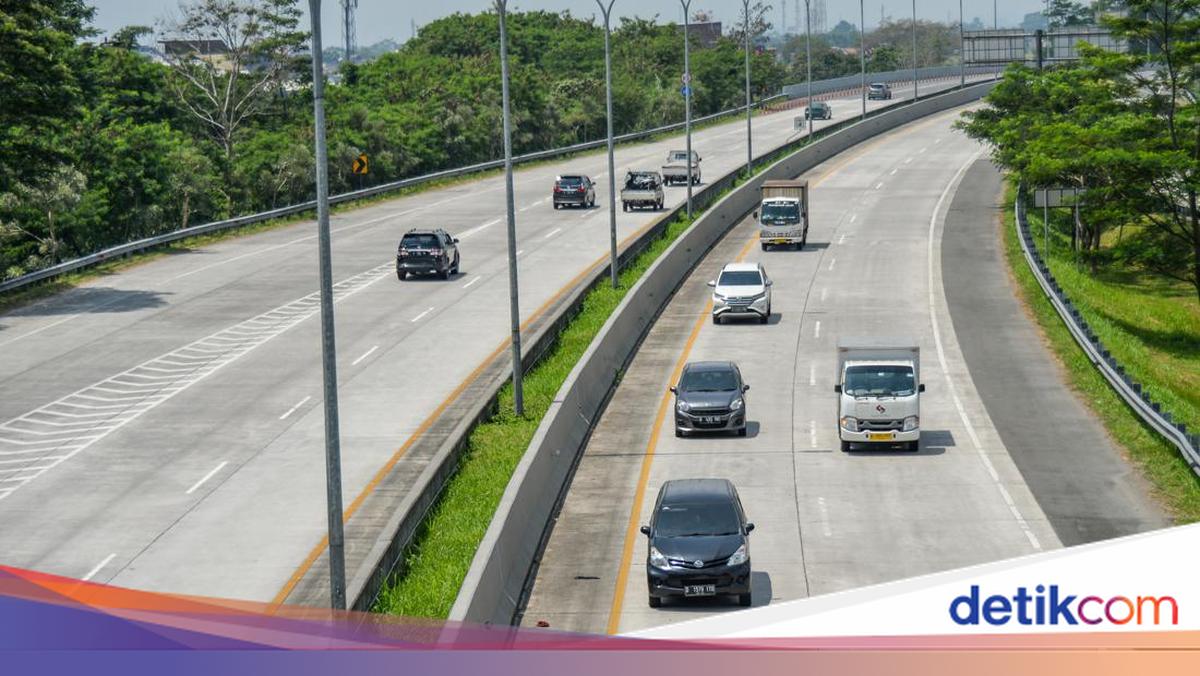
The Indonesian Ministry of Public Works (PU) has provided an online CCTV checking service for toll roads during the Lebaran 2026 mass migration. The CCTV service is managed by the Toll Road Operating Authorities.
How to Check CCTV on Toll Roads During Lebaran 2026
Visit https://mudik.pu.go.id/cctv-tol
Scroll down to find a list of toll road sections with the number of active CCTV cameras
Click the “View CCTV (X Online)” menu
You can then check the CCTV on your desired toll road section
To search more quickly, enter the name of the toll road section
Click “Search”
A list of the selected toll road sections will appear
Click the “View CCTV (X Online)” menu
You can now view the CCTV on your desired toll road section
How to Check CCTV on Non-Toll Roads During Lebaran 2026
In addition to toll roads, you can also check CCTV on non-toll roads during the Lebaran 2026 migration. Here’s how:
Visit https://mudik.pu.go.id/cctv-ai
Scroll down to find a list of CCTV cameras on non-toll road sections
Click the “View CCTV” menu
You can then check the CCTV on your desired non-toll road section
To search more quickly, enter the CCTV name
Click “Search”
A list of the selected non-toll road CCTV cameras will appear
Click the “View CCTV” menu
You can now view the CCTV on your desired non-toll road section
How to Check Transportation Ministry CCTV During Lebaran 2026
Visit https://mudik.pu.go.id/cctv-kemenhub
The page displays a list of Transportation Ministry CCTV cameras at certain locations
Predicted Peak Migration Periods During Lebaran 2026
The peak periods for the Lebaran 2026 mass migration are predicted to occur twice: on 14-15 March and again on 18-19 March.
These peak migration predictions were announced by National Police Chief General Listyo Sigit Prabowo during a cross-sectoral meeting to prepare for the smooth flow of migration during Eid al-Fitr (Lebaran) 2026.
Sigit stated that the peak periods of the Lebaran 2026 migration are predicted to occur twice, in line with the government’s implementation of the work from anywhere (WFH) policy. “The predicted peak migration period (first wave) is likely to occur on 14-15 March. The government will then implement WFH, typically between 16-17 March. Meanwhile, the predicted peak migration period (second wave) is on 18-19 March,” said General Sigit at the Mutiara Auditorium, STIK-PTIK Police Education and Training Centre, Monday (2 March 2026).