
Caution: Tree Planting in a Warming World May Have a Hidden 'Water Cost'
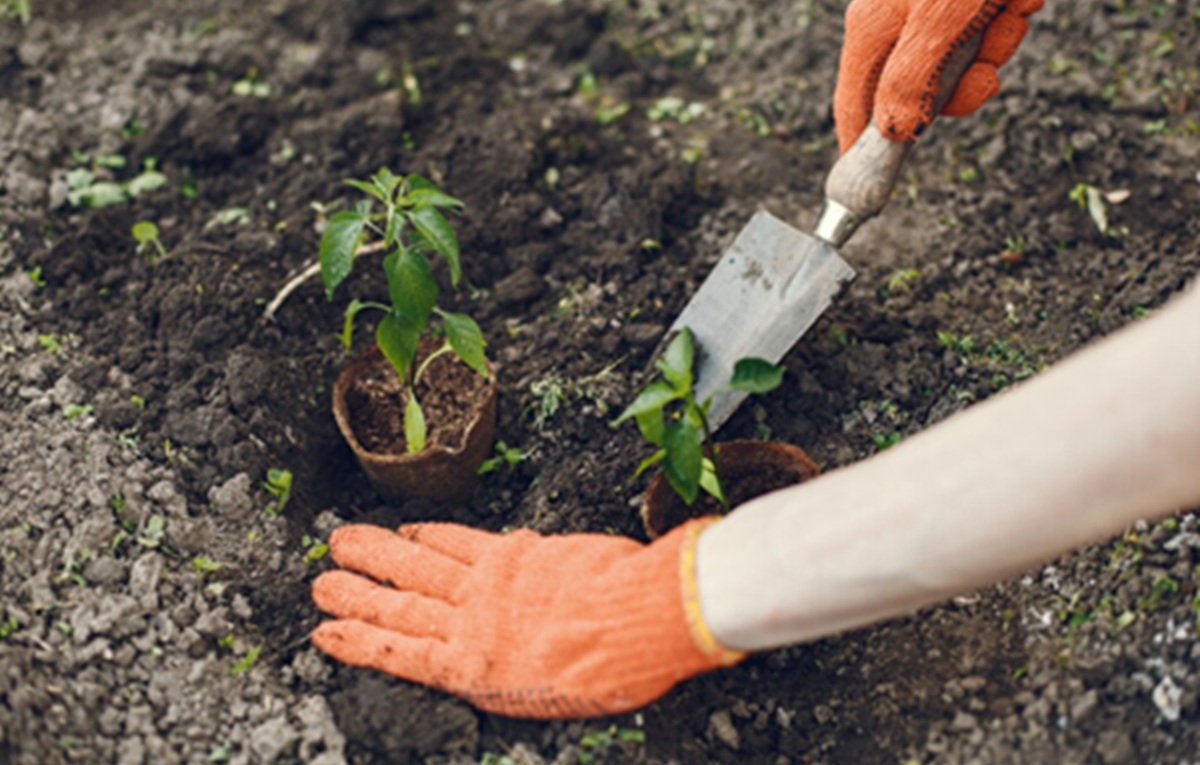
Planting trees has long been seen as one of humanity’s primary weapons to combat climate change. Trees act as effective natural carbon sinks to reduce atmospheric emissions. However, a recent study has revealed a side effect that has often been overlooked: massive tree planting in an increasingly hot world has a significant hidden ‘water cost’. Research led by scientists from the University of Twente shows that global reforestation projects could substantially reduce groundwater availability. This phenomenon occurs due to the process of transpiration, where trees absorb water from the soil through their roots and release it back into the atmosphere as water vapour through their leaves. As global temperatures rise due to global warming, the atmosphere becomes drier. This condition forces trees to ‘sweat’ or transpire more rapidly to regulate their temperature. Consequently, the amount of water absorbed from the soil increases drastically, leaving less water flow for rivers, lakes, and the underground water reserves that humans critically depend on. To map this impact, the research team used advanced hydrological models to simulate global tree-planting scenarios under various future climate projections. The simulation results showed a worrying pattern: in regions already experiencing water scarcity, such as parts of Africa, Australia, and the western United States, adding more trees could actually worsen local drought conditions. Although the water vapour released by trees eventually returns to the earth as rain, the researchers noted that the rainfall does not necessarily fall in the same area. Often, winds carry the clouds to other regions, meaning local communities in the reforested areas lose their surface water supply without receiving the benefit of replacement rainfall. These findings do not mean that tree-planting activities should be stopped entirely. Trees still play a crucial role in maintaining biodiversity, preventing soil erosion, and cooling local temperatures. However, the study serves as a stark warning that climate mitigation strategies must not focus solely on carbon sequestration without considering other factors. The scientists emphasise the need for a more balanced approach tailored to specific geographical conditions. Before launching large-scale reforestation projects, policymakers and environmental activists must carefully consider the local water cycle. Selecting water-efficient tree species and choosing appropriate locations are key to ensuring that efforts to save the planet do not inadvertently trigger a new clean water crisis in the future.