
Caution: Several Countries Declare Energy Emergencies as Indonesia Sets Out Its Strategy
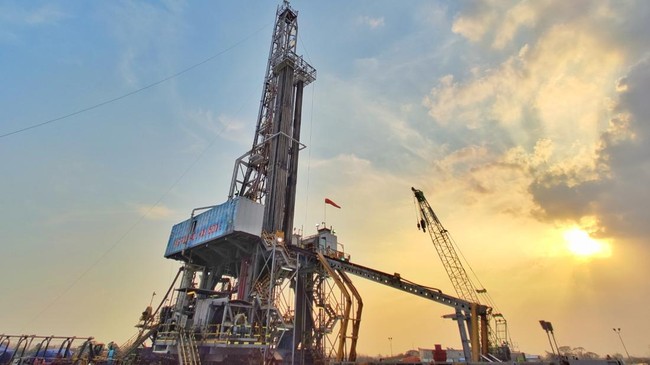
Jakarta, CNBC Indonesia — Deputy Energy and Mineral Resources Minister Yuliot Tanjung confirmed that a number of countries have declared energy emergencies amid global geopolitical turmoil. Indonesia, he said, will continue to safeguard its national energy resilience.
Yuliot said that while many countries have declared energy emergencies, Indonesia has been able to hold the prices of subsidised fuel. He said the measure was intended to protect people’s purchasing power.
“Regarding the 42 countries that have entered an energy emergency, we will also seek to strengthen domestic energy, as I mentioned earlier: how to increase lifting, improve efficiency, and maintain subsidies for the public,” Yuliot said at a working meeting with Committee II of the Regional Representative Council (DPD), as quoted on Wednesday (11 November 2026).
Yuliot stressed that Indonesia did not need to declare an energy emergency like some other countries. He said such an announcement could cause public panic and lead to panic buying.
He reiterated that the Energy and Mineral Resources Ministry would continue to safeguard the availability and reliability of national energy supplies.
“This could instead create the potential for chaos. We may be able to manage availability properly, whether supplies come from domestic upstream sources or imports. But this is the best option the government has chosen,” he said.
Geopolitical turmoil and rising risks of natural disasters pose major challenges to Indonesia’s energy resilience, including efforts to accelerate the use of renewable energy.
Geopolitical crises and natural disasters place the energy sector under dual pressure. Dependence on fossil fuels leaves Indonesia vulnerable to global price volatility, while climate change tests the reliability of domestic power plants and electricity networks.
Deon Arinaldo, a researcher at the Institute for Essential Services Reform (IESR), said geopolitical conditions and climate change are increasingly shaping Indonesia’s energy policy. International conflicts can push up energy commodity prices, while extreme weather could disrupt power generation and electricity distribution.
One example of geopolitical pressure is the conflict between the United States and Iran, which has been under way since March 2026. The tensions have helped drive up global energy commodity prices and increased the burden on countries that still rely on fossil fuels.
Indonesia’s energy security challenges also come from within the country. The effects of climate change are beginning to be felt directly by the national electricity system.
“Since June, we have also been facing pressure from the El Niño phenomenon. This condition is really testing the resilience of Indonesia’s electricity system,” he said at a workshop for the Indonesian Next Generation Journalist Network on Korea, organised by the Foreign Policy Community of Indonesia (FPCI) and the Korea Foundation, as quoted on Tuesday (10 November 2026).
Another issue concerns coal supplies for power plants. Although Indonesia is one of the world’s largest coal exporters, transporting fuel to domestic power plants is not entirely free from weather-related risks.
Several coal mines in Sumatra and Kalimantan rely on river routes to transport output to ports. When El Niño causes river levels to fall, coal shipments can be disrupted.
Source: jawawa.id (https://jawawa.id/newsitem/caution-several-countries-declare-energy-emergencies-as-indonesia-sets-out-its-strategy-1794361880)
Originally published by CNBC Indonesia (https://www.cnbcindonesia.com/news/20261111081750-4-784093/waspada-sejumlah-negara-darurat-energi-begini-siasat-ri), translated from Indonesian