
Causes of High Blood Sugar and Natural and Medical Ways to Lower It
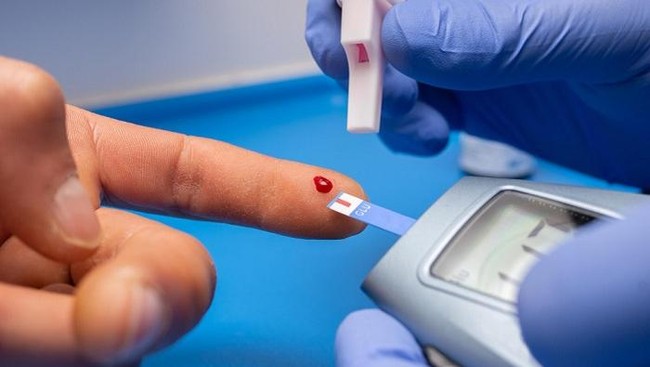
Jakarta, CNBC Indonesia — High blood sugar is a common health problem that often goes unnoticed. Many people go about their days as usual, working, carrying out their activities and even exercising, without realising that their blood sugar levels are gradually rising. It is often only after medical test results arrive that they become anxious about what to do next.
Citing Heartology on Saturday (10 October 2026), lowering blood sugar is not about finding an instant solution. Inappropriate approaches, such as extreme dieting, stopping medication without medical advice or following unsubstantiated information, can put the body at risk. Experts therefore stress that blood sugar must be managed gradually, in a measured way and according to each individual’s condition.
Publications from the American Heart Association (AHA) show that blood sugar that remains uncontrolled over the long term increases the risk of blood vessel damage, coronary heart disease, stroke and other serious complications, even if it initially causes no noticeable symptoms.
What causes high blood sugar?
Blood sugar is the level of glucose circulating in the blood. It comes from food, particularly carbohydrates, and serves as the body’s main source of energy. The body needs insulin, a hormone produced by the pancreas, to help glucose enter cells. If insulin production falls or the body’s cells do not respond properly to insulin, glucose builds up in the blood.
High blood sugar usually does not have just one cause. Common contributing factors include:
A diet high in sugar and simple carbohydrates. Sugary drinks, high-sugar snacks and refined carbohydrates can cause repeated blood sugar spikes.
Insufficient physical activity. When the body rarely moves, muscles absorb less glucose, making blood sugar more likely to rise.
Insulin resistance. Insulin is present, but the body’s cells do not respond to it effectively. This is often associated with excess weight and lifestyle factors.
Age and genetic factors. Insulin sensitivity tends to decline with age, while a family history of diabetes can also increase risk.
Prolonged stress and insufficient sleep. Stress prompts the release of hormones that can raise blood sugar, while lack of sleep disrupts hormones that regulate glucose metabolism.
Certain medicines that can affect how the body regulates blood sugar.
So how can blood sugar be lowered safely and effectively?
Natural approaches
Natural approaches focus on everyday habits and work best as part of a planned care strategy. They can help the body manage blood sugar more steadily, particularly in prediabetes or early-stage diabetes.
- Adjusting daily eating habits. Diet is the foundation. Physiologically, the body functions better when it receives energy gradually. Blood sugar spikes often occur when rapidly absorbed carbohydrates are eaten without a balance of other nutrients. Recommended principles include a balanced mix of carbohydrates, protein and healthy fats, in measured portions.
Complex carbohydrates and high-fibre foods are digested more slowly, helping to keep rises in blood sugar under control. Fibre slows glucose absorption, while protein helps maintain fullness and steady energy levels.
Lowering blood sugar naturally does not mean eliminating carbohydrates altogether; it means choosing their type and quantity more wisely. An overly restrictive diet can lead to hypoglycaemia, fatigue and nutritional deficiencies.
“Focus on minimally processed, nutrient-rich foods, such as non-starchy vegetables, lean protein sources, moderate amounts of healthy fats and foods naturally high in fibre,” the guidance says.
“Frankly, no juice, herbal remedy or single food can replace a balanced diet. Claims that blood sugar can be lowered very quickly without scientific evidence risk delaying appropriate treatment.”
- Physical activity and exercise. When muscles move, the body uses glucose for energy, even with less need for insulin. This improves insulin sensitivity and makes blood sugar easier to control. Relatively safe activities include regular walking, light-to-moderate aerobic exercise and light strength training.
“Regular moderate activity is far more beneficial than strenuous exercise done only occasionally. The key is consistency, not exhaustion,” the expert said.
- Maintaining weight, sleep quality and managing stress. Moderate weight loss, even just a few per cent of a person’s starting weight, can improve insulin sensitivity. Lack of sleep and chronic stress, meanwhile, are known to trigger the release of hormones that raise blood sugar. Keeping consistent sleep hours and managing stress through suitable activities are crucial parts of a natural approach.
Medical approaches
For some people, lifestyle changes are enough to help. But when blood sugar remains difficult to control despite attention to diet and physical activity, medical support may be needed to achieve more stable and safe results.
Medical treatment is generally needed when a person has co-existing conditions, such as heart or kidney problems or high blood pressure, or because of age, genetic factors or long-standing diabetes. This does not mean the patient has failed; it is an adjustment to their care.
“Medication helps the body regulate blood sugar when its natural mechanisms are no longer working optimally. Treatment is always selected according to each patient’s condition, and the type and dose of medicine may change in response to the body’s reaction,” the Heartology guidance says.
Medication is not an instant solution but part of a comprehensive care plan. It must be prescribed and monitored by a doctor. Medical treatment also requires regular monitoring to assess the body’s response, adjust the care plan at the right time and prevent complications early.