
Cause Revealed: UGM Student and Family Died in Tent in Temanggung from Carbon Monoxide Poisoning
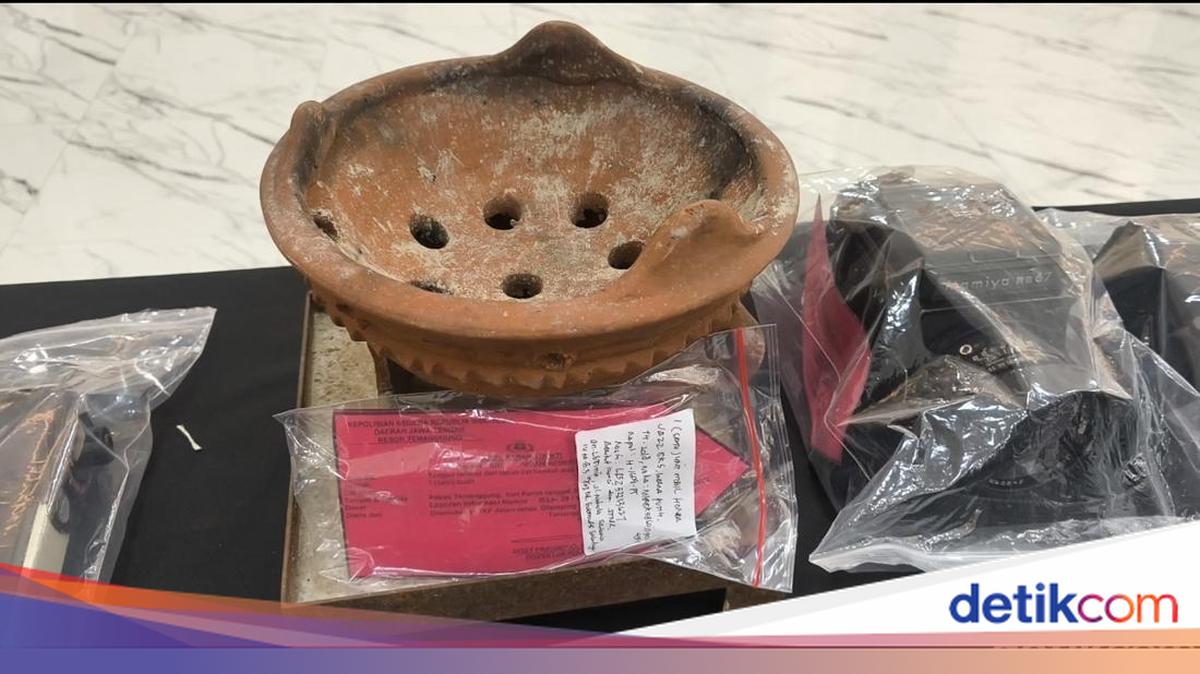
The cause of death of a Universitas Gadjah Mada (UGM) student and his family inside a tent while camping at the Posong Nature Tourism Park in Temanggung, Central Java, has now been revealed. They died from exposure to carbon monoxide (CO) gas from a briquette or charcoal stove placed inside a closed tent.
The four victims were Muhammad Ali Munawar (52), Alvino Evan Hakim (17), Bagas Amar Hakiki (21), and a woman with the initials Maghfirah (43).
Temanggung Police Chief AKBP Zamrul Aini stated that the clay stove was actually intended as a body warmer. However, photographic evidence showed the victims were roasting bananas on top of the stove.
“The purpose was for warmth. But in the victims’ photos, found on their mobile phones, it was discovered they were using it to roast bananas. We displayed earlier that the victims placed bananas on top of the stove, perhaps to make roasted bananas,” Zamrul said during a press conference at the Central Java Regional Police Headquarters.
Furthermore, AKBP Ibnu Sutarto, Head of the Chemistry and Biology Sub-section at the Central Java Regional Police Forensic Laboratory, stated that his team had conducted a simulation at the scene. The first test was carried out by burning the stove on the tent’s terrace with the tent door open.
“Within a period of about one hour, with the burning taking place outside, inside the room it was already detected. Every five-minute increase we monitored, up to one hour, the CO (carbon monoxide) level had already reached more than 200 ppm,” Ibnu said.
“In approximately one hour, inside the tent, around 2,000 ppm of CO gas was detected in the air. From that, we are also certain that the source of the gas that poisoned the victims was from the charcoal used for the burning,” he continued.