
Cause revealed for hours-long queues of garbage trucks at Bantargebang Integrated Waste Processing Facility
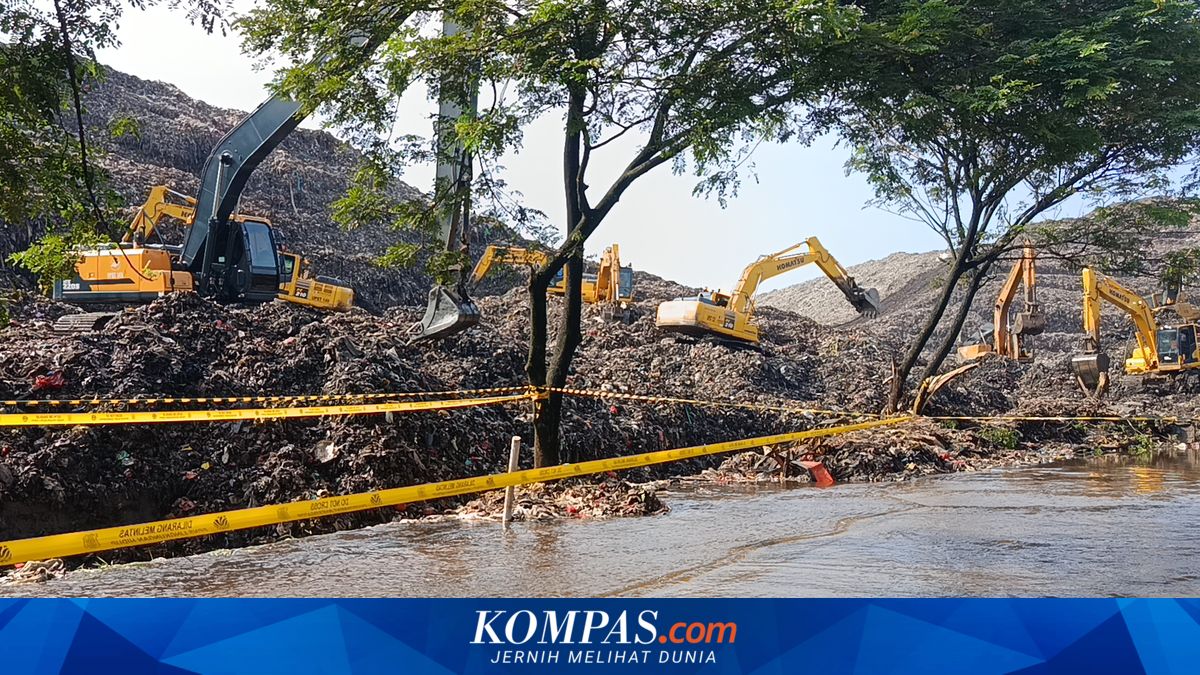
Bekasi — The DKI Jakarta Environment Agency (DLH) has revealed the reasons behind the long queues of garbage trucks, some lasting up to four hours, en route to the Bantargebang Integrated Waste Processing Facility (TPST) in Bekasi City. Previously, hundreds of garbage trucks owned by the Jakarta Provincial Government queued on the roadside towards the Bantargebang TPST area. The resulting long traffic jam stretched along Jalan Siliwangi, Bojong Rawalumbu, to the access route of the Bantargebang TPST entrance.
Head of the DKI Jakarta DLH, Dudi Gardesi, said the queues occurred because Bantargebang TPST’s operations are still being organised and restored following a landslide on 8 March 2026. According to Dudi, several operational restrictions have been implemented, prioritising the safety of staff and drivers on the ground.
“At present we are prioritising the safety-first principle. One measure is limiting the input quota of waste to around 700 round trips per day,” Dudi said in an official statement on Wednesday, 20 May 2026.
Dudi explained that the daily quota of 700 waste round trips—journeys by garbage trucks—is divided into three operational shifts to match the capacity of the car park and disposal points deemed safe. In addition to limiting trips, the DLH also reduced the number of active disposal points in the Bantargebang TPST area to ease the tonnage load at the active disposal zone.
“The number of active disposal points is also limited from five to four points,” Dudi said. He added that these steps are intended to minimise the risk of waste material shifting and to ensure the safety of staff and drivers working on site.
The officers on duty regulate the movement of the fleet so that truck queues and waiting times at the weighbridge and disposal area can be more easily controlled. “This is done to manage fleet movement so that queues and waiting times at the weighbridge and disposal area can be better controlled,” Dudi said.
Furthermore, disposal operations will be temporarily halted during heavy rainfall for safety reasons.