
Cause of MBG Poisoning in Pondok Kelapa Not Yet Confirmed, Distribution Gap Under Scrutiny
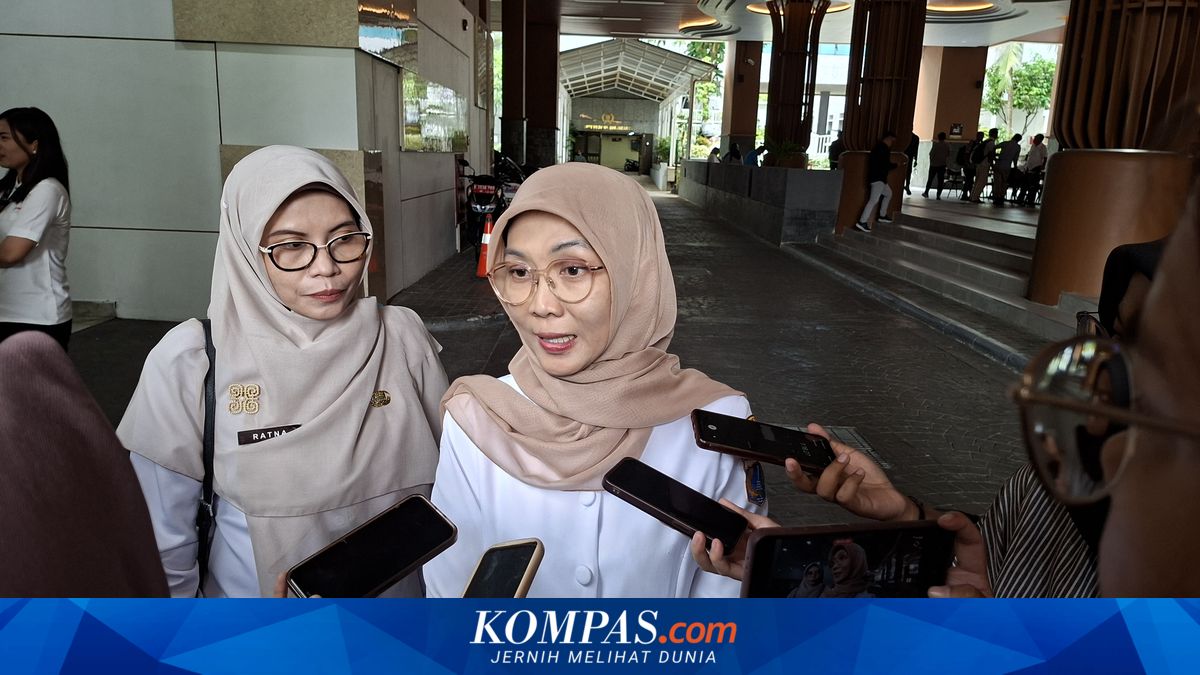
The Jakarta Health Department (Dinkes) DKI Jakarta is still awaiting laboratory test results to confirm the cause of the poisoning that affected 104 students and teachers after consuming food from the Nutritious Meals Service Unit (SPPG) in Pondok Kelapa, East Jakarta. Preliminary analysis suggests the incident is likely related to the length of the interval between preparing the cooked food and its distribution. Head of the Jakarta Health Department, Ani Ruspitawati, stated that they cannot yet confirm the exact cause of the incident as the investigation is still ongoing. Ani explained that the laboratory examination results will be combined with field investigation findings to form a complete report on the poisoning case in the Free Nutritious Meals (MBG) programme. Nevertheless, based on preliminary analysis, the initial suspicion points to the lengthy interval between preparing the food and its distribution to students. “It’s possible there was a sufficiently long time gap between preparing the cooked food and then distributing it. Because if you look at the percentage of victims, most were those who arrived in the afternoon. That’s the preliminary analysis,” she clarified. In response to the Jakarta DPRD’s request to tighten supervision, Ani stated that the MBG programme is principally under the authority of the central government through the National Nutrition Agency (BGN). Meanwhile, Dinkes DKI focuses on coaching and sanitation supervision functions. She said Dinkes DKI has provided free training to all food handlers and ensured that every SPPG has a Sanitation Hygiene Fitness Certificate (SLHS). Dinkes DKI Jakarta also conducts periodic checks every three to six months on more than 400 SPPGs that already have SLHS. However, Ani emphasised that SPPGs are still required to perform daily self-checks before distributing the food. “Actually, every day there should be an organoleptic check. So at the SPPG and at the school before distribution, the food should be physically checked, its smell, whether there’s slime, whether it’s chewy, that sort of thing should be checked,” said Ani. Ani mentioned that there are still 37 MBG poisoning patients undergoing treatment in hospitals out of the previous total of 104 patients. She detailed that the patients are spread across eight hospitals, with the highest number at RS Harum with 19 patients, followed by RSKD Duren Sawit with 7 patients, and RS Islam Pondok Kopi with 6 patients. “Then at RS UIN Syarif Hidayatullah, RS Polri, RS Budhi Asih, RS Hermina Jatinegara, and RSUD Tarakan, each with one,” said Ani. According to Ani, the recovery process for patients varies and tends to be longer because most are children. Hospitals must also ensure that all clinical symptoms have completely disappeared before discharging patients.
Source: jawawa.id (https://jawawa.id/newsitem/cause-of-mbg-poisoning-in-pondok-kelapa-not-yet-confirmed-distribution-gap-under-scrutiny-1775638389)
Originally published by Kompas (https://megapolitan.kompas.com/read/2026/04/08/14461821/penyebab-keracunan-mbg-di-pondok-kelapa-belum-dipastikan-jeda-distribusi?utm_source=ABC&utm_medium=rss), translated from Indonesian