
Cattle traders say sacrificial cattle sales in Jakarta remain high despite rising prices
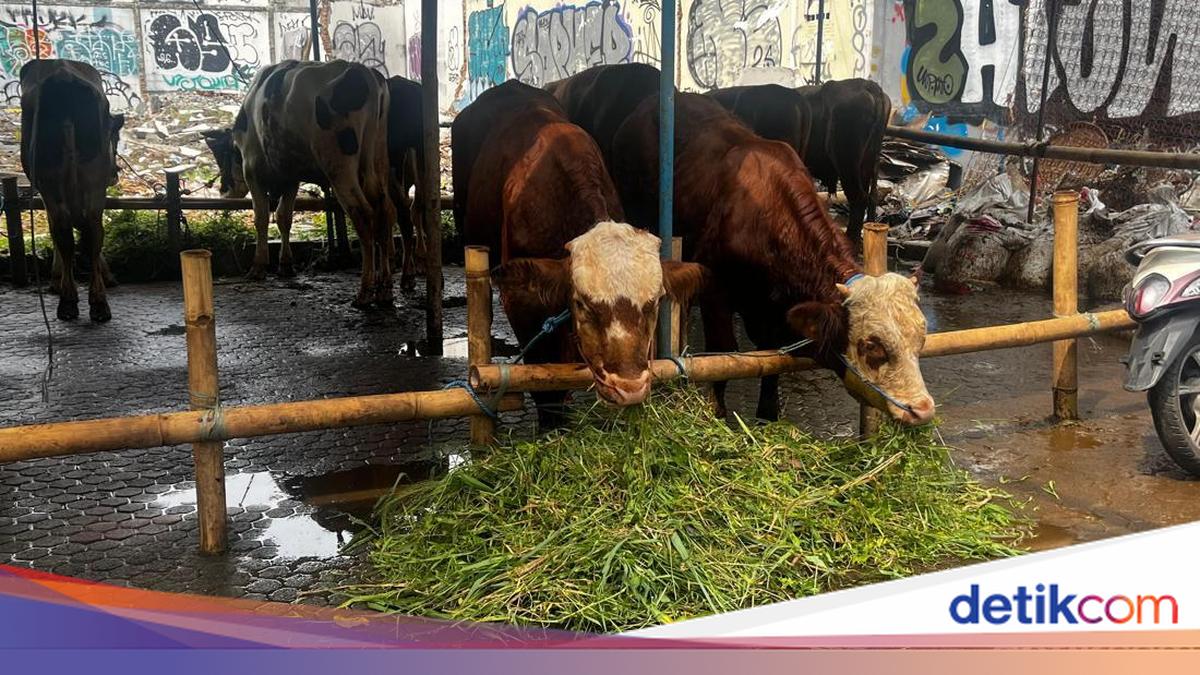
The trader from Bima, West Nusa Tenggara (NTB), M Said (34), says his sales this year have been among the best. He runs a stall on Jalan Gatot Subroto, South Jakarta, and has brought dozens of cattle directly from Bima to Jakarta.
‘As for marketing, this year has been the best, in my view. From a total of 65 head I brought from Bima, it has risen to 85 heads now because I fetched more from friends and relatives. As of today, only two remain,’ Said said while at his stall on Saturday, 23 May 2026.
Said, who has spent 15 years selling cattle in the Jabodetabek area, assigns a varied price range. His Bima cattle are sold from an economical Rp14 million for a weight of 210 kilograms to the ‘sultan’ class at Rp80 million for weights above 800 kilograms.
‘Jakarta is extraordinary; there are many people performing the sacrifice. A single RT can have 5 to 6 cattle. That is why I continue to choose Jakarta despite the long journey,’ he said.
According to Said, transporting cattle from Bima to Jakarta is not easy. He must travel for 5-7 days by giant lorry to Sumbawa, Mataram, Banyuwangi, and then Jakarta.
‘The main bottleneck is at the ferry crossing; if there are few ships, it can be slow. But alhamdulillah, everything went smoothly. These cattle also seem to have an instinct; they know they are to be sacrificed, so caring for them is not too difficult as long as we stay calm,’ he explained.
In step with Said, another sacrificial animal trader in the Mampang Prapatan area of South Jakarta, Madun (46), also felt demand remained stable despite the rise in market prices.
‘Sales currently are normal, even though purchase prices have risen. In short, there is a notable rise from markets or farmers in the villages, but the willingness to sacrifice remains high,’ Madun said.
Madun, who is a member of the Association of Dairy and Slaughter Cattle Farmers of South Jakarta, offers cattle ranging from Rp22 million to Rp100 million. This year, he prepared around 50 head of cattle and 65 head of goats.
‘Praise be to God, about 99 percent of the cattle are already sold, just waiting to be taken. Goats are still around 50 percent sold, but we are optimistic they will all sell because many buyers are purchasing close to the day,’ he noted.
According to Madun, the sustained high sales of sacrificial animals amid the difficult economic climate are driven by religious intentions. He even compared it with the COVID-19 pandemic period. At that time, sales were unimpeded.
‘Perhaps because people intend to worship, it is blessed. The downturn may be slight compared with last year, but not significant, not even 50 percent,’ he said.