
Cattle Farming Ecosystem Can Support Free Nutritious Meal Programme and Reduce Imports
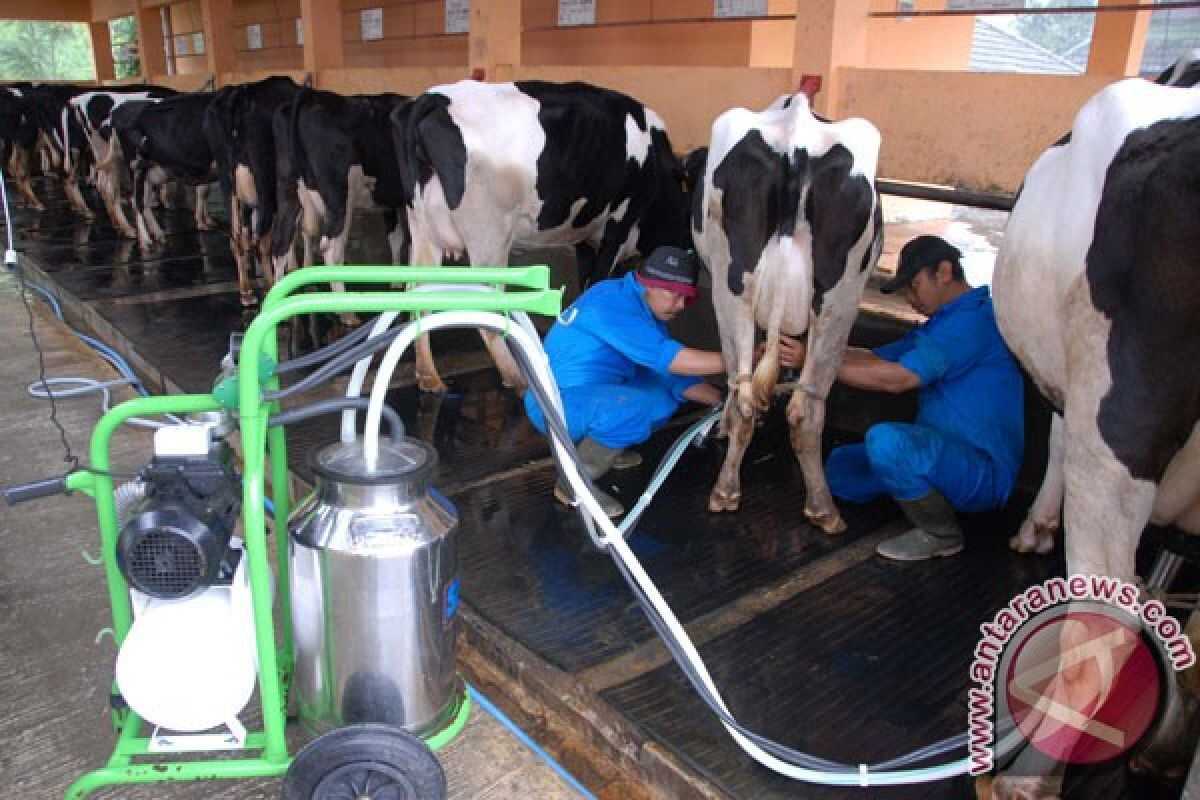
Jakarta (ANTARA) - Deputy Minister of Investment and Downstreaming/Deputy Head of the Investment Coordinating Board (BKPM) Todotua Pasaribu revealed that a cattle farming ecosystem can support the Free Nutritious Meal programme and reduce imports.
“So this is within the framework of our main target, which is to reduce imports as much as possible. Because this is very promising. Earlier, the investors also explained that Indonesia has great potential for us to develop this. It just needs major consolidation on our part,” said Todotua in Jakarta on Friday.
According to him, the pilot project for a cattle farming ecosystem in East Nusa Tenggara discussed on Friday (16/5) is expected to begin realisation this year.
“At its core, we have begun discussing the creation of investment in this cattle ecosystem to produce both beef cattle and dairy cattle, which also has a downstreaming ecosystem. There will be a dairy industry, and most importantly we can support one of the government programmes regarding the need for meat for the Free Nutritious Meal (MBG) programme,” he said.
The cattle farming ecosystem is a concept encompassing the agricultural livestock ecosystem within a downstreaming framework. It therefore requires consolidation of all existing strengths, namely land resources. Indonesia’s consumption demand still falls far short when it comes to the need for beef and milk.
The cattle farming ecosystem pilot project in East Nusa Tenggara will be managed within a single ecosystem, with a designated zone concept linked to industrial downstreaming.
“The ultimate goal of all this is for us to be self-sufficient in meeting our beef and milk needs. This is the programme, and it is in line with the wishes and direction of the President of the Republic of Indonesia — how, with Indonesia’s population now reaching 300 million, we can suppress imports as much as possible,” said Todotua.
For information, Deputy Minister of Agriculture Sudaryono affirmed that the government of President Prabowo Subianto and Vice President Gibran Rakabuming Raka will lead Indonesia to achieve food self-sufficiency. The government is working hard to ensure that Indonesia’s main food commodities can be met domestically without dependence on imports.
Sudaryono explained that agricultural sector reform is not only focused on rice but also on other food commodities. Furthermore, the Deputy Minister said the government is targeting Indonesia to not only achieve self-sufficiency but also become an exporter and a global food granary.