
Cattle Cloning and the Future of National Meat Production
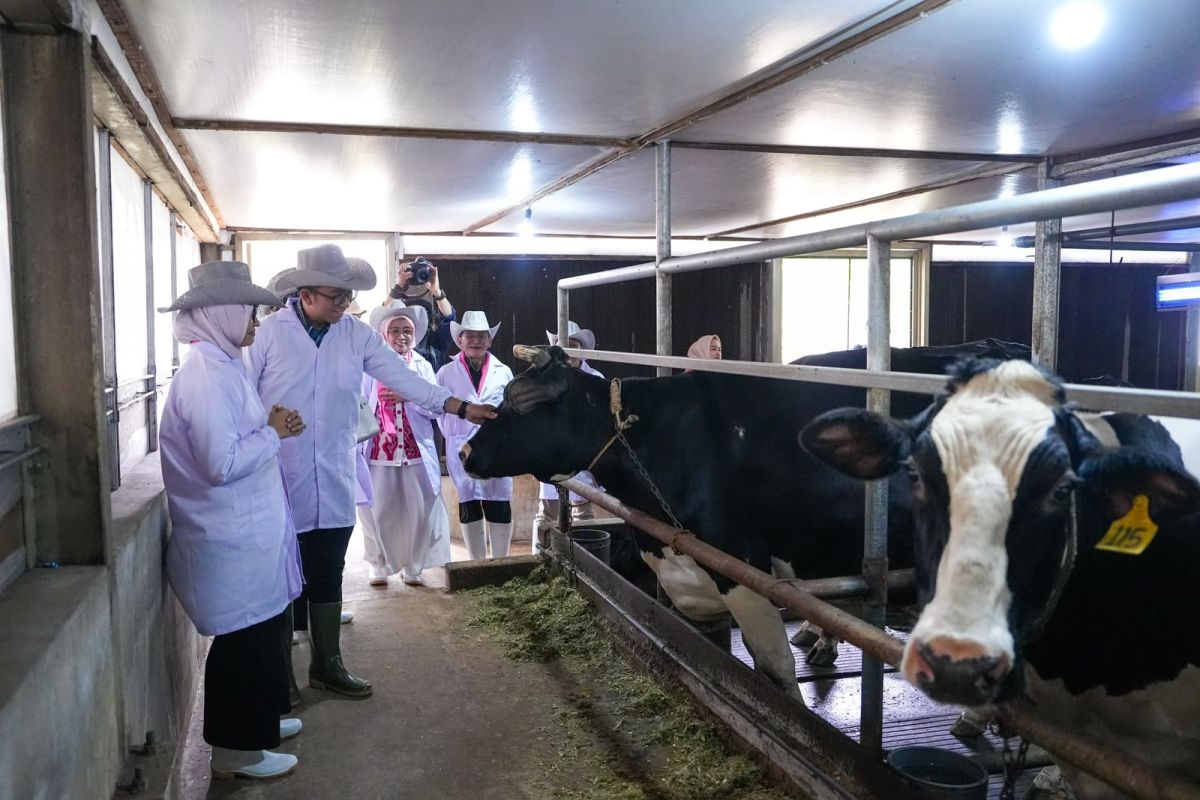
President Prabowo Subianto’s proposal to utilise cattle cloning technology to strengthen the fulfilment of national meat demand has drawn attention, framing the issue of livestock technology within a more strategic context. The idea moves beyond simply increasing cattle numbers, focusing instead on how technology can accelerate the improvement of livestock genetic quality.
For the general public, the term cloning may sound like technology confined to science fiction films. In biology, however, cloning is understood as a process to produce an individual with a genetic makeup very similar or identical to the source organism. The Food and Agriculture Organization (FAO) defines a clone as a group of cells or individuals that are genetically identical, which can be produced through asexual reproduction or specific techniques, including somatic cell nuclear transfer.
In the context of animal husbandry, Somatic Cell Nuclear Transfer (SCNT) is a key technology. Simply put, the nucleus from a body cell of a superior cow is used to replace the genetic material in an egg cell whose nucleus has been removed. This cell is then developed into an embryo and implanted into a surrogate mother. If successful, the resulting calf will have nuclear genetic material very similar to the donor cow.
However, it is crucial to understand that cloning is not a shortcut to instantly producing cattle. The process requires sophisticated reproductive technology, laboratories, expert personnel, surrogate mothers, and lengthy supervision. The success rate is also not automatically high. Therefore, cloning must be viewed as one of several tools in livestock biotechnology, not a single solution to the national meat deficit.
In the Indonesian context, the idea has a strong rationale. Meat demand continues to rise with population growth and changing consumption patterns. Yet, increasing the cattle population cannot be done solely by adding numbers. Productivity, genetic quality, feed, animal health, and farmers’ management capabilities all determine meat output. Cloning can play a role here: if Indonesia possesses cattle with truly superior genetic traits, cloning technology could theoretically help multiply those individuals to accelerate breeding programmes.
Nevertheless, caution is needed to avoid the trap of thinking that more cloned cattle automatically means meat self-sufficiency. A large-bodied cow is not necessarily the most suitable for the Indonesian environment. Superior cattle should be assessed based on multiple characteristics, including growth rate, meat quality, feed efficiency, health, reproductive ability, and, most importantly, adaptation to the tropical environment. If the government’s policy direction is to be linked with the spirit of national identity, then the genetic resources of Indonesian local cattle, shaped by long adaptation processes, must be the primary consideration. Breeds such as Bali, Madura, and Peranakan Ongole possess characteristics that are national biological assets. Cloning technology should be positioned as part of a larger breeding system, complementing existing technologies like artificial insemination and embryo transfer, rather than replacing them.