
CATL and BYD Race to Develop Solid-State Batteries by 2027
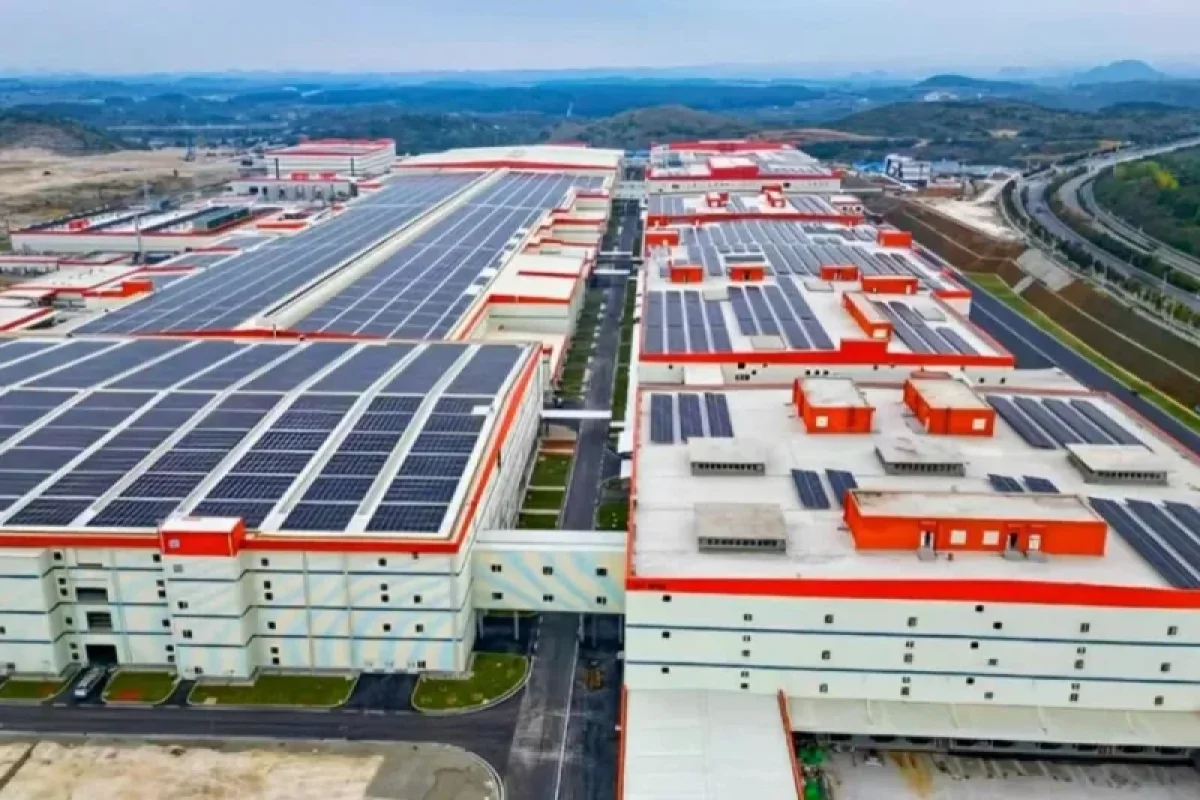
Two of China’s largest electric vehicle (EV) battery manufacturers, CATL and BYD, are racing to develop solid-state battery technology, targeting small-scale trial production starting in 2027. According to an Arena EV report on Tuesday, CATL previously claimed its solid-state technology development was at the forefront of the industry. BYD subsequently responded by securing six new patents related to cathode technology with two types of electrolytes for solid-state batteries. Solid-state batteries offer higher energy density and better safety levels compared to batteries with liquid electrolytes. This allows EV manufacturers to design batteries with greater energy density in a more compact size. The use of solid materials also potentially reduces the risk of thermal runaway, a condition where the battery experiences an uncontrolled temperature rise that can trigger a fire. CATL Chairman Robin Zeng previously stated that the company’s solid-state battery technology is still at level four on the nine-level Technology Readiness Level (TRL) scale. This means the technology remains in the laboratory testing phase. CATL Chief Scientist Wu Kai is targeting solid-state batteries to reach level seven or eight by 2027, meaning they can be tested under real-world operating conditions. That target is not expected to be achieved before 2030. Consequently, early-stage solid-state batteries will likely be used in luxury electric vehicles. Meanwhile, BYD is focusing on overcoming interface issues between solid materials within the battery, which has been one of the challenges in developing this technology. Solid-state batteries may not yet be widely used in electric vehicles by 2027. However, that period could serve as a crucial stage for testing solid-state batteries in vehicles before entering larger-scale commercial production.