
CATL: 20,000 Electric Vehicles to Use Sodium-Ion Batteries by 2026
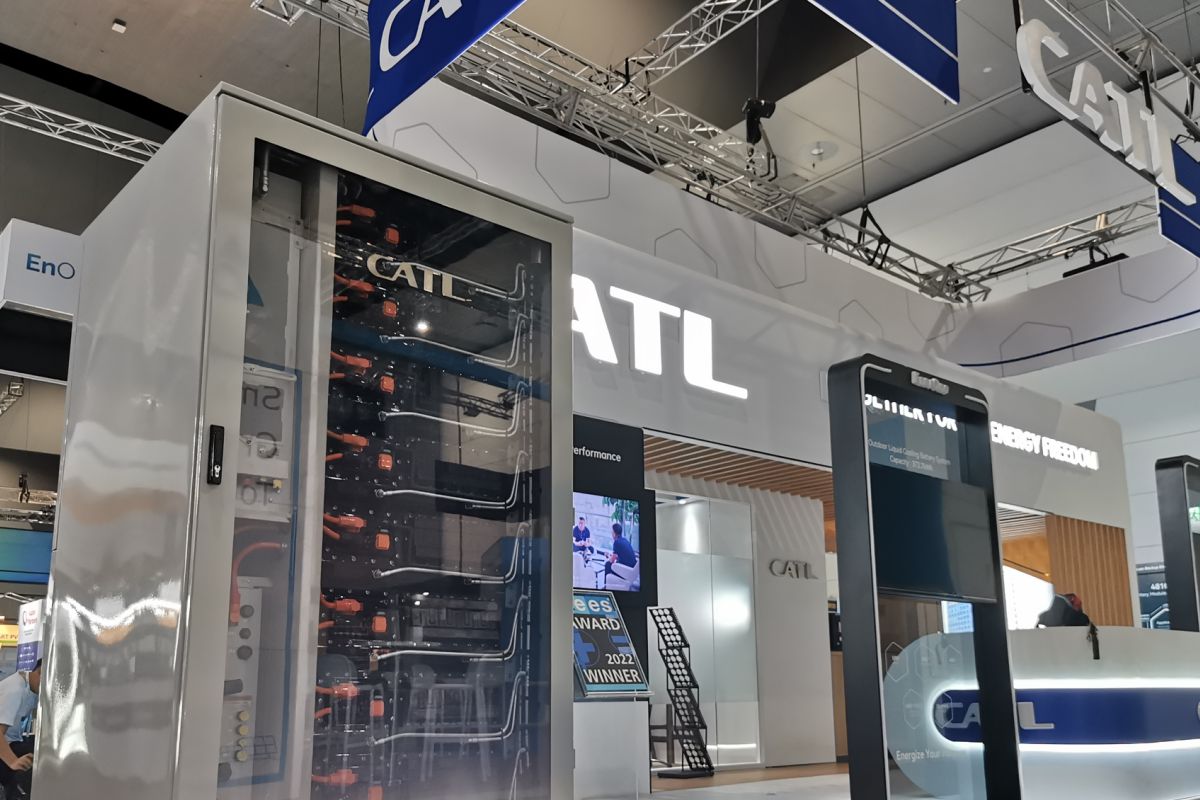
Jakarta (ANTARA) - Ni Jun, a senior executive at Chinese battery giant CATL, estimates that 10,000 to 20,000 electric vehicles will use its sodium-ion batteries this year. Amid the global automotive industry’s efforts to cope with lithium price volatility, the battery behemoth is accelerating its dual-track strategy combining lithium and sodium technologies. This week, CATL also introduced Tener Sodium, a new energy storage system based on sodium-ion batteries. Carnewschina reported on Thursday local time that the company plans to commence initial deliveries in China in September this year, while global shipments are scheduled to begin in June 2027. CATL has invested nearly 10 billion yuan (Rp26.39 trillion) in sodium-ion battery research over the past decade, adding more than 300 members to its research and development team. One of the main advantages of CATL’s new technology is its ability to operate in extreme temperatures. Ni Jun explained that the battery is designed to function normally at temperatures ranging from -20°C to -30°C. This capability opens up market opportunities in regions with harsh winters, such as the northern parts of North America, Canada, and certain areas of Japan. In February, real-world testing at a vehicle testing facility in Yakeshi, Inner Mongolia, showed a Changan vehicle successfully traversing snowy roads and steep inclines using CATL’s sodium-ion technology. Calvin Quek, Executive Director of Nature Finance at the Oxford Sustainable Finance Group, who witnessed the test, described it as a ‘breakthrough moment’ for sodium-ion technology in the electric vehicle sector. Several reports indicate that Changan will begin selling models equipped with this technology by mid-year. The renewed interest in sodium-ion batteries has been largely driven by sharp fluctuations in lithium prices. Data shows that lithium carbonate prices in China surged nearly 190 per cent between June last year and 20 April 2026, significantly increasing raw material cost pressures. CATL positions sodium-ion batteries as an ‘alternative risk management’ tool to anticipate such volatility. Because sodium resources are abundant globally, this strategy aims to strengthen supply chain resilience while reducing dependence on a single raw material currently widely used in EV batteries. CATL views 2026 as a decisive year, projecting that the cost of sodium-ion batteries will match that of lithium-ion batteries by the end of the year.