
Cataracts Threaten Millions of Eyes: The Situation in Indonesia
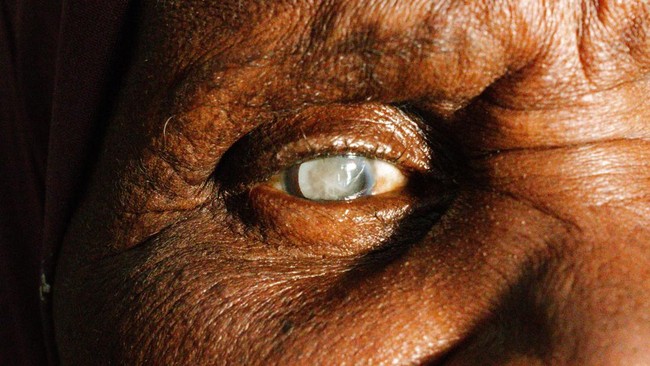
Jakarta, CNBC Indonesia — The threat of blindness continues to loom over Indonesians, particularly older people. Cataracts remain a major concern, accounting for the largest share of blindness among people aged over 50. The government is stepping up early detection and expanding access to cataract surgery to reduce the risk of sight loss.
According to data presented by Prof. dr. Budu, Ph.D., Sp.M(K), M.Med.Ed, chair of the central board of the Indonesian Ophthalmologists Association (PERDAMI), cataracts cause around 81.2% of blindness cases among Indonesians aged over 50.
The issue has drawn government attention as World Sight Day 2026 is marked on 8 October. Efforts to prevent blindness and visual impairment are being strengthened, from early eye examinations to broader access to cataract surgery.
Dr Andi Saguni, MA, acting director-general for disease control at the Ministry of Health, said eye health was an important part of quality of life for everyone, from children to older people.
Visual impairment, he said, affects not only health but can also have consequences for education, productivity, safety and a person’s independence.
To raise public awareness, the government has chosen “Eye Screening: A Small Step for a Great Benefit” as the national theme for World Sight Day 2026. It highlights the importance of regular eye checks so that visual problems can be identified before they worsen.
“Do not wait until you have a serious eye problem before getting an examination. Screening is the first step towards detecting visual impairment early, so people can promptly receive the appropriate follow-up care,” Andi said at a media briefing for World Sight Day 2026 at the Ministry of Health on Tuesday (13 October 2026).
One government initiative is to include eye examinations in the 2026 Free Health Check programme (CKG). The programme gives the public access to initial checks for visual impairment.
Examinations at primary healthcare facilities can detect reduced visual acuity and refractive errors, as well as identify suspected cataracts, glaucoma and retinopathy. Screening, however, is not the final step. Anyone found to have an eye condition still needs further examination and treatment suited to their individual circumstances.
“Screening is not the end goal. What we want is continuity of care: people are screened, problems are identified, and they receive follow-up in line with their needs and the capabilities of the service,” he said.
The government is also expanding cataract surgery services. Ministry of Health data presented by PERDAMI show that 634,642 people underwent cataract surgery in 2025, equivalent to 92% of the national target.
The government’s 2025–2030 Vision Health Roadmap also sets a target for at least 60% of people with cataracts to receive surgery with optimal outcomes.
However, equitable access to eye care remains a challenge. People in remote areas and on islands face various barriers to treatment, including geographical constraints, the uneven distribution of ophthalmologists and the cost of travelling to healthcare facilities.
Budu said rising life expectancy needed to be matched by adequate eye-care services, as the risk of cataracts increases with age.
“We also need to be ready to support older people in our communities as part of efforts to eliminate cataract-related blindness,” he said.
Source: jawawa.id (https://jawawa.id/newsitem/cataracts-threaten-millions-of-eyes-the-situation-in-indonesia-1791888683)
Originally published by CNBC Indonesia (https://www.cnbcindonesia.com/lifestyle/20261013145442-33-775749/katarak-mengancam-jutaan-mata-begini-kondisinya-di-indonesia), translated from Indonesian