
Cashless Society Amidst Unstable Economic Conditions
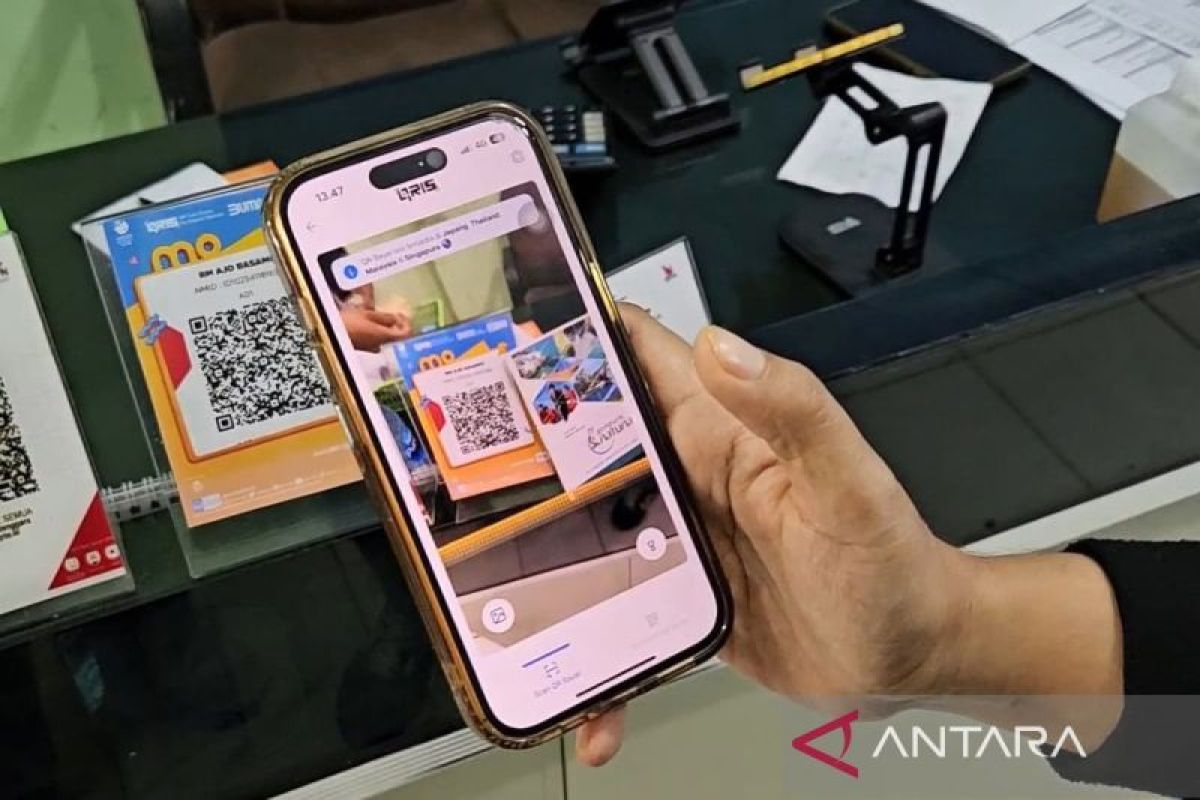
Jakarta (ANTARA) - Amidst a global economic situation still shadowed by uncertainty, the Indonesian people are experiencing a very rapid change in lifestyle. The rising prices of basic necessities, inflationary pressures, the threat of economic slowdown, and income uncertainty have made many people increasingly cautious in managing their finances.
However, even as the public strives to be more frugal and selective in their spending, the culture of cashless transactions is expanding significantly. This phenomenon is clearly visible in daily life. Purchasing street food, paying for parking, using public transport, settling monthly bills, and shopping for household needs can now be done solely via mobile phones. Cash is gradually losing its dominance, replaced by digital wallets, mobile banking, debit cards, and QR code-based payments such as QRIS.
This shift is not without reason. In unstable economic conditions, the public requires transaction methods that are more practical, fast, and easy to control. Digital payments provide this convenience. Almost all banking applications and digital wallets currently feature automatic recording capabilities, allowing users to see in detail where their money is being spent—from food and transport to entertainment and monthly bills—all of which can be monitored in real time.
For some members of the public, this feature helps them become more disciplined in managing expenses. When economic conditions are difficult, the ability to control cash flow becomes vital. Unlike cash, the use of which is often not clearly recorded, digital transactions leave a more transparent and easily evaluable trail.