
Carson, Pillay and the Nobel Prizes
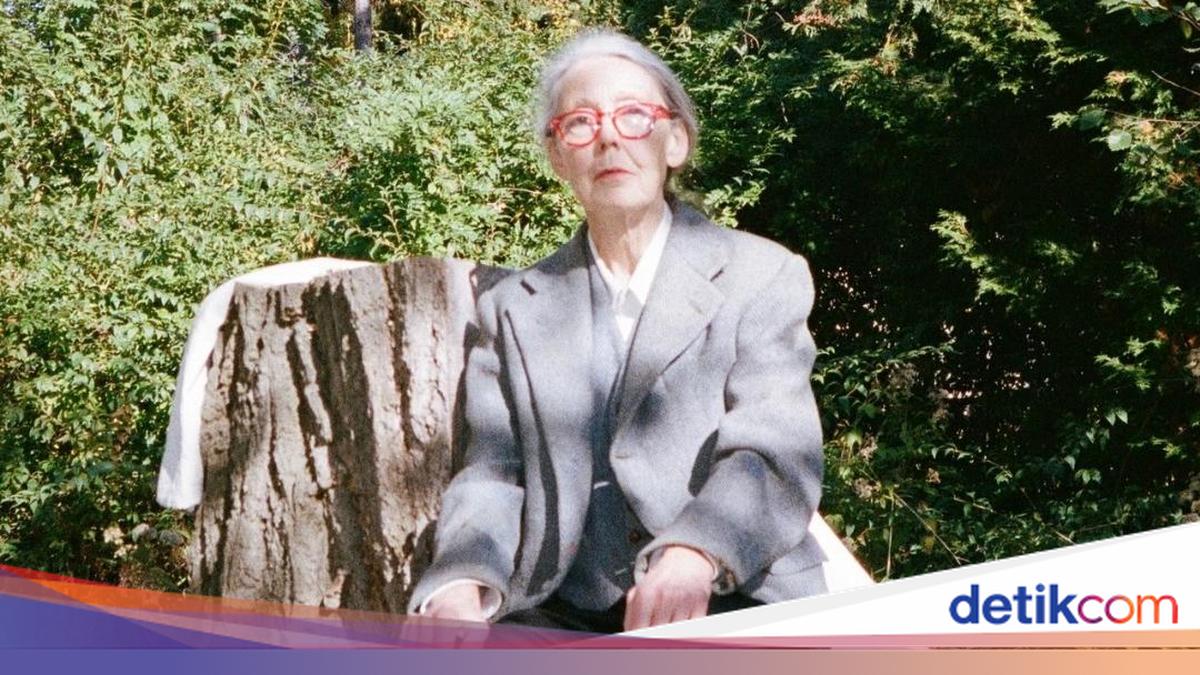
“I think you’re all insane.”
That was Anne Carson’s response to news that she had won the 2026 Nobel Prize in Literature. It was neither an emotional speech nor an expression of a dream finally coming true. In a telephone interview with the Nobel team, she said she had never expected to receive the prize.
That morning, the telephone rang repeatedly at Carson’s home in Reykjavík, the capital of Iceland. She was drinking tea, eating biscuits and reading, before getting up to sweep the kitchen floor. As Carson kept ignoring the calls, her husband, Robert Currie, eventually asked her to call back. The Nobel news, it seemed, had to wait until the kitchen chores were done.
A photograph taken by her husband after she heard the news shows Carson still holding her broom; it is as engaging as her conversation with the Nobel team. Yet behind this smile-inducing moment is a writer who has spent decades working with language and stories to express aspects of the human experience that are difficult to explain.
Carson is a Canadian poet, translator and classicist who was formerly a professor at the University of Michigan in the United States. Her academic background has not confined her to the boundaries between poetry, essays and translation: all can come together in a single work. The Nobel committee recognised her daring transformation of classical traditions into new forms of contemporary literature. In other words, old stories do not have to be told in old ways.
One example is Nox (2010), which she created after the death of her brother, Michael. They had been estranged for a long time. To remember someone she had never fully understood, Carson combined photographs, letters and fragments of memory with her translation of a poem by Catullus, the Roman poet who had also lost a brother.
The result is not an ordinary poetry book, but something like a memorial album, made up of long sheets folded like an accordion and kept in a box.
In Carson’s hands, grief becomes a book that can be unfolded panel by panel, while news of the Nobel is met with “you’re all insane”. There is room for loss, and room for laughter. Neither cancels out the other.
The day after Carson’s win was announced, Navanethem “Navi” Pillay was named the 2026 Nobel Peace Prize laureate. She initially thought the news was an April Fool’s joke. When she was greeted with applause at a gathering in Nuremberg, Germany, she quipped: “If you clap a little bit more, I may share this prize with Trump.”
The joke took a jab at US President Donald Trump, who has repeatedly said he wants to win the Nobel Peace Prize. Trump later protested the committee’s decision: he said the award should have gone to him, claimed he had never heard of Pillay, and called the decision disgraceful.
Pillay, of course, is more than quick with a joke. The South African began her legal career during apartheid, defending activists and advocating for political prisoners. She later served as a judge at international courts and as the United Nations High Commissioner for Human Rights.
One of her important contributions was helping to shape the 1998 judgment in the case of Jean-Paul Akayesu. The judgment recognised that rape and sexual violence can constitute acts of genocide when committed with the intent to destroy a protected group. The experiences of victims, previously overlooked, became a basis for holding perpetrators to account.
Behind her witty response lies a long and demanding career spent listening to victims and pursuing justice.
While Pillay’s win was accompanied by political uproar, Carson wanted to enjoy the quiet. Asked how she would celebrate the Nobel, she said she wanted to walk in the woods with her husband, ignore the telephone and “hear the quiet”. After such momentous news, what she wanted most was evidently a chance to get away from the ringing phone.
There is a feminist dimension to both stories: women have the right to create, change circumstances and remain true to themselves. They do not always have to appear graceful and solemn to be considered exceptional. They can joke and speak bluntly without diminishing the importance of their work.
What is worth emulating is not how they received the Nobel, but the persistence that came long before the news of their wins: continuing to write, continuing to listen and continuing to do meaningful work. And if there is a kitchen floor to sweep along the way, why not?
Source: jawawa.id (https://jawawa.id/newsitem/carson-pillay-and-the-nobel-prizes-1793418691)
Originally published by detikcom (https://news.detik.com/kolom/d-8732127/carson-pillay-dan-nobel), translated from Indonesian