
Carrying a Tumbler Is Not a Solution If Clean Water Remains Inaccessible
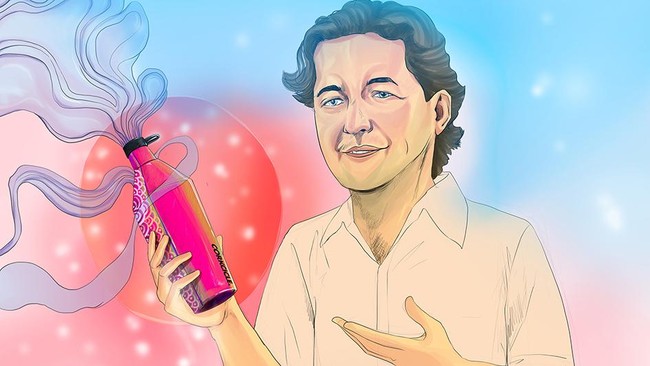
One of the most memorable sentences I encountered while studying sustainability at Harvard University was, “Stop buying bottled water. Just drink tap water.”
In many countries, that advice sounds perfectly reasonable. Tap water is safe to drink, available almost everywhere, and people are accustomed to carrying refillable bottles. Buying bottled water is seen as a choice best avoided because it generates unnecessary plastic waste.
However, when I returned to Indonesia, I realised that the reality is far more complex. In various discussions about sustainability, clean water is viewed not as a commodity, but as a basic right of every human being.
This view was also affirmed by the United Nations, which in 2010 recognised access to safe drinking water and sanitation as a human right. Unfortunately, having a right does not always mean having access.
Today we often encourage people to carry reusable bottles as part of an environmentally friendly lifestyle. That advice is certainly good. Yet an important question is often overlooked. After carrying a bottle, where can people fill it with water that is truly safe to drink?
In many parts of Indonesia, tap water is still not trusted as a source of drinking water. Drinking water refill stations are also not yet widely available in public spaces. As a result, people continue to rely on bottled water or gallon water to meet their daily needs.
Data from the Central Statistics Agency for 2023 shows that almost a third of households in Indonesia still use refill water as their main source of drinking water. By contrast, households using piped water as their main source of drinking water have not even reached 10 percent.
These figures show that the journey towards a safe and easily accessible drinking water system is still long. Under such conditions, simplifying the issue into a matter of individual behaviour change risks ignoring the real root of the problem.
Sustainability is not only about individual choices, but also about the systems that make those choices genuinely possible. If people had access to safe tap water, refill infrastructure were readily available, and water quality were guaranteed, then reducing bottled water consumption would become a far more realistic choice.
But as long as that infrastructure is not yet evenly available, we also need to understand why many people still depend on bottled water.
For that reason, building sustainability cannot be achieved through behaviour change campaigns alone. Investment in clean water infrastructure, improvements in drinking water service quality, protection of water resources, and pollution control must all be part of an equally important agenda.
Ultimately, sustainability is not merely about reducing plastic waste. Sustainability also means ensuring that everyone has an equal opportunity to make more sustainable choices.
Because clean water is not a luxury. Clean water is a basic right. And as long as that right cannot be enjoyed equally, sustainability will always remain a goal that has not been fully achieved.
Source: jawawa.id (https://jawawa.id/newsitem/carrying-a-tumbler-is-not-a-solution-if-clean-water-remains-inaccessible-1786240351)
Originally published by CNBC Indonesia (https://www.cnbcindonesia.com/opini/20260807170823-14-757515/membawa-tumbler-bukan-solusi-jika-air-bersih-belum-mudah-diakses), translated from Indonesian