
Caring for the Pulse of the People's Markets
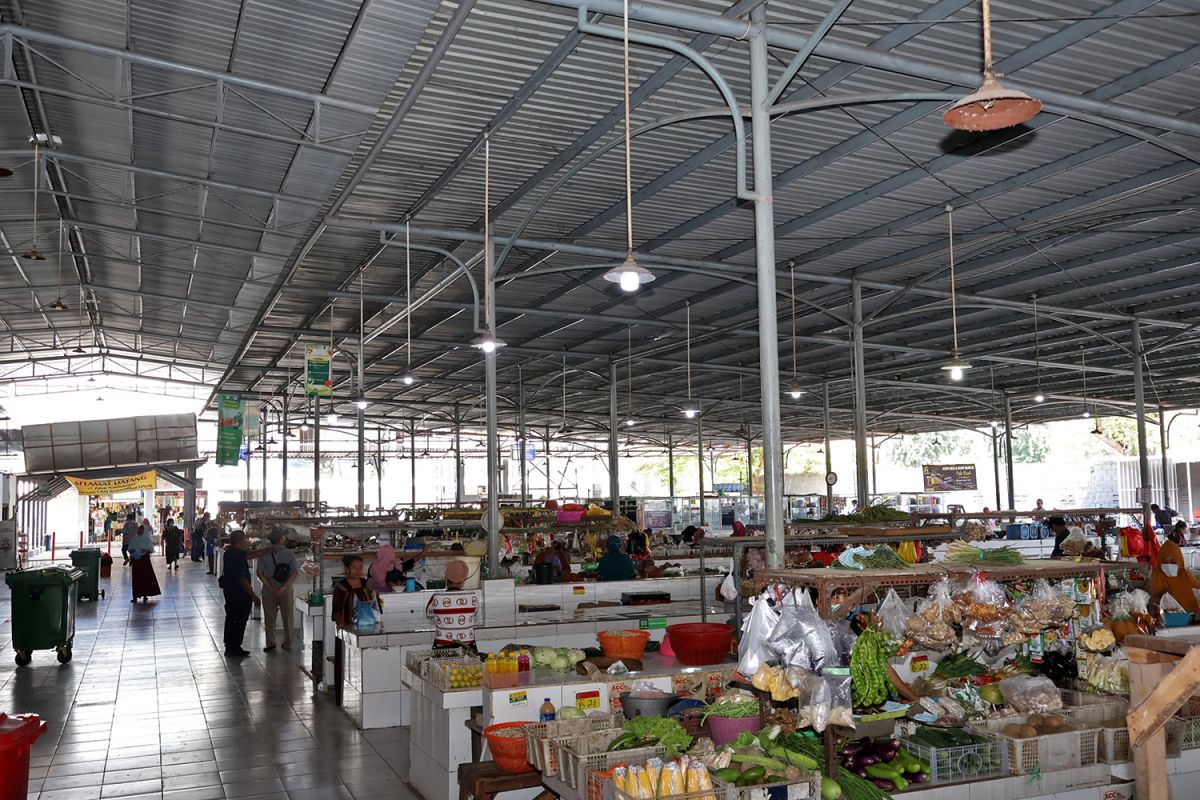
Behind rows of vegetable racks, the aroma of spices, and the familiar greetings between traders, traditional markets hold the lifeblood of a city. It is there that the prices of basic necessities first negotiate with people’s purchasing power. It is also where thousands of small business actors make their living every day. However, the face of people’s markets in many cities often lags behind modern shopping centres. Leaky roofs, poor drainage, narrow parking areas, and chaotic layouts are recurring problems. These conditions not only reduce comfort but slowly erode the competitiveness of traditional markets amidst changing consumer behaviour. Surabaya, East Java, is trying to break this cycle. The Surabaya City Government will revitalise 16 traditional markets in 2026 with a budget of approximately IDR 20 billion. The programme goes beyond repairing buildings; it includes improving sanitation, drainage, wastewater treatment plants, grease traps, poultry cutting centres, trader zoning arrangements, and adding market service facilities. The clear target is to create markets that are cleaner, more hygienic, comfortable, and able to compete with modern markets. This step deserves appreciation because it shows that urban development is not only about flyovers, high-rise buildings, or business districts, but also about the people’s economic spaces that are the daily pulse of society.