
Caring for the City, Safeguarding the Future
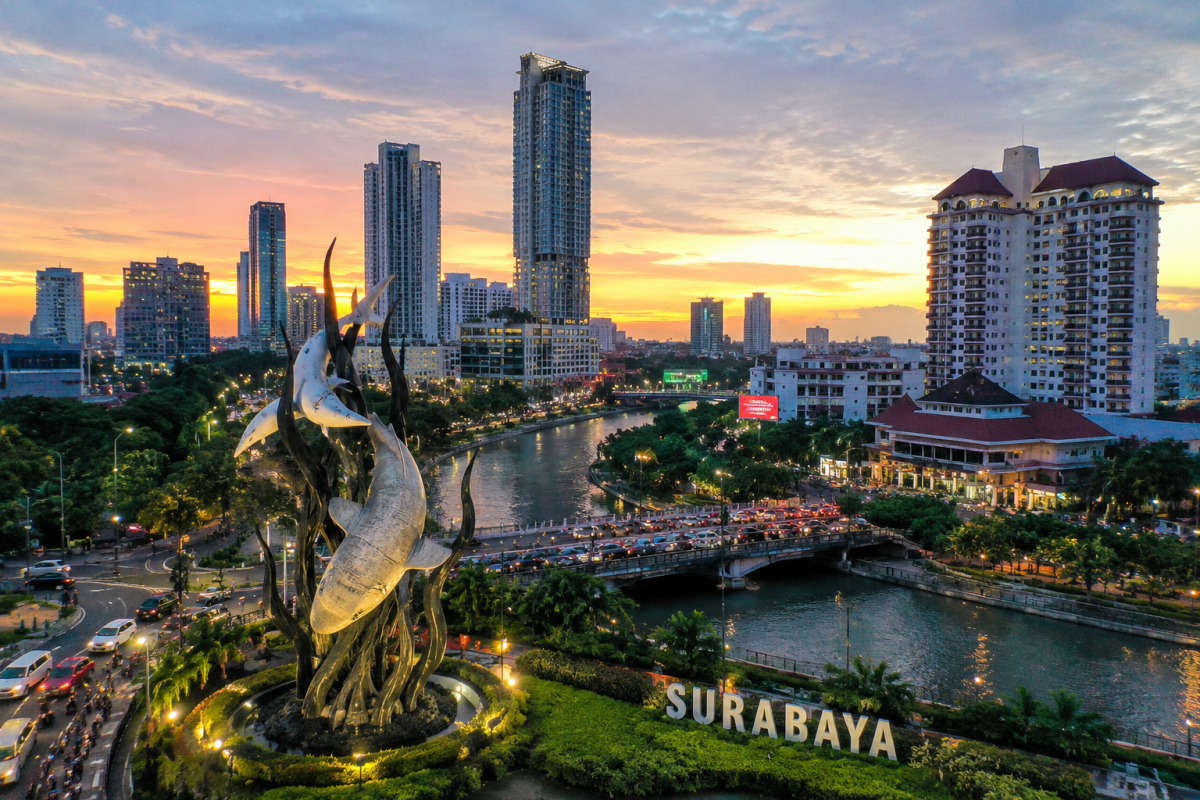
Surabaya never truly stops moving. Amidst heavy traffic, growing business districts, and neighbourhoods that maintain their tradition of community cooperation, the city is undergoing a long process to answer a critical question: how to sustain growth without losing its humanity? This question is particularly relevant as Surabaya celebrates its 733rd anniversary. The city’s considerable age is not merely a historical marker but a moment to reassess the direction of Indonesia’s second-largest metropolis. For a city’s success is not measured solely by towering skyscrapers or rising economic figures, but by its ability to ensure equitable prosperity for all its residents. The Surabaya City Government has outlined several achievements indicating a robust development foundation. The Human Development Index (HDI) reached 85.65, the highest in East Java. Economic growth in 2025 is recorded at 5.87% with a Gross Regional Domestic Product (GRDP) of Rp830.54 trillion. Poverty rates have fallen to 3.56%, while inflation remains controlled at 2.96%. On paper, these indicators show Surabaya remains a national economic driver. However, like major global cities, the real challenge emerges when sustaining long-term development success. One achievement worthy of attention is Surabaya’s investment in human capital. Amidst intensifying global competition, human quality is the key differentiator between regions. Surabaya’s success in reducing stunting prevalence to 0.59% demonstrates that development is not solely focused on physical aspects. Strengthening healthcare services through regional hospitals, integrating primary care at the village level, and bolstering family health posts form a crucial foundation for building healthier generations. In education, policies expanding access and providing scholarships to tens of thousands of students and university attendees show awareness that poverty cannot be broken solely through social aid. Education remains the most effective tool for social mobility. However, new challenges are emerging. Major cities are now not only required to provide education access but also ensure graduates possess skills aligned with future industry needs. Digital transformation, artificial intelligence, green economy, and creative industries are rapidly reshaping the labour market. Many traditional jobs are declining while new professions emerge. In this context, Surabaya City Government’s focus on expanding higher education access for children from poor families is a strategic move. However, access alone is insufficient. What is needed is a connection between education and employment. Universities, vocational schools, businesses, and government must build an ecosystem enabling graduates not just to find jobs, but to create them. Experiences of advanced Asian cities show that human development success hinges on linking education, innovation, and entrepreneurship within a mutually supportive policy chain.