
Caring for Prisoners' Health Rights Towards a Tuberculosis-Free Indonesia
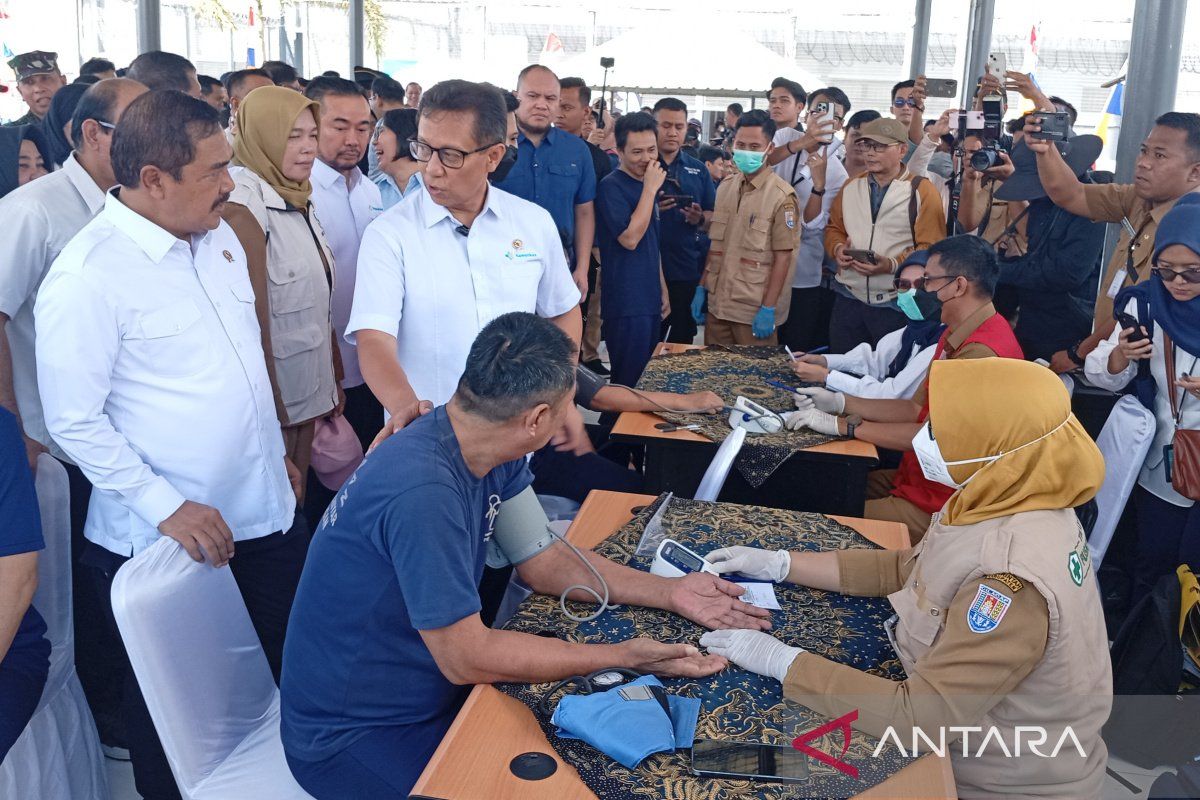
Cilacap (ANTARA) - Iron bars, like those in the prisons on Nusakambangan Island, Cilacap Regency, Central Java, may restrict freedom, but they must not restrict the right to a healthy life. This spirit accompanied the inaugural implementation of Tuberculosis (TB) screening using chest X-rays and free health checks for 2026 for correctional officers, detainees, prisoners, and juvenile inmates across Indonesia, centred at Ngaseman Prison, Nusakambangan Island, on Monday. The programme, a collaboration between the Ministry of Health and the Ministry of Immigration and Corrections, is part of President Prabowo Subianto’s Quick Best Results Programme to accelerate TB eradication by 2030, while also expanding free health check services to groups at high risk of contracting diseases within correctional facilities. The selection of Nusakambangan as the launch site was deliberate. The island, synonymous with high-security prisons, symbolises that health services must reach all citizens, regardless of their legal status. Behind prison walls, the state wants to ensure the right to health is fulfilled. The programme targets around 274,000 inmates and nearly 49,000 correctional officers in 532 prisons and detention centres across Indonesia. On Nusakambangan alone, examinations will be conducted for more than 5,700 inmates and officers in stages over four days. For Minister of Health Budi Gunadi Sadikin, his first visit to Nusakambangan left a different impression from what many might imagine. He found a clean, calm, and well-organised prison environment, complete with various rehabilitation activities such as farming, fish cultivation, and shrimp ponds. A healthy environment is an essential foundation for maintaining the health of inmates. However, behind this orderly condition, there remains a major challenge of overcrowding in prisons, which increases the risk of disease transmission. With the number of inmates in Indonesia now reaching around 274,000 and limited capacity in many prisons and detention centres, infectious diseases like TB can spread more easily if not detected early. Therefore, the government is shifting its healthcare approach from merely treating illness to preventing it through regular check-ups. In addition to TB screening using chest X-rays, inmates also undergo blood pressure, blood sugar, and lipid profile checks, as well as other examinations to detect non-communicable diseases such as hypertension, diabetes, heart disease, stroke, and kidney disorders. The greatest concern remains tuberculosis. Indonesia is the country with the second-highest number of TB cases in the world, after India. An estimated one million new cases emerge each year, with more than 120,000 deaths. The Ministry of Health warns that TB remains a serious threat because it is transmitted through the air. In crowded correctional facilities, one undetected sufferer can transmit the disease to many people in a short time. Therefore, active screening is the most effective strategy to find cases early, provide complete treatment, and break the chain of transmission. After the programme launch, Minister Budi said he was moved knowing that more than 274,000 inmates in hundreds of prisons are the target of health examinations. For the government, inmates remain Indonesian citizens who are entitled to health services equal to those of the general public. He also assessed that future healthcare financing in prisons should be more integrated with the Health Social Security Agency (BPJS Kesehatan) so that inmates’ right to health services can be fulfilled sustainably, just like the public at large. The commitment to providing equal health services received full support from Minister of Immigration and Corrections Agus Andrianto. For his ministry, the national screening represents the state’s presence in fulfilling the basic rights of inmates, while supporting the 2030 TB eradication target. The high rate of TB in correctional facilities cannot be separated from the problem of overcrowding still experienced by many prisons and detention centres. Overcrowding increases the risk of transmission, making early detection a step that cannot be postponed. The entire Directorate General of Corrections has been instructed to provide full support for the implementation of screening across Indonesia. At the same time, improvements in the quality of health services continue through strengthening prison clinics, enhancing the competence of health workers, and providing medical equipment in cooperation with the Ministry of Health. It is hoped this health programme will run in tandem with various policies to reduce prison overcrowding, including the amnesty plan announced by the President for eligible inmates. The programme’s implementation is the result of extensive coordination between the central government, regional governments, health offices, hospitals, community health centres, and all correctional technical implementation units. This collaboration is an important foundation for accelerating TB eradication, expanding early detection of infectious and non-communicable diseases, and creating a healthier correctional environment. In the field, the examinations are more comprehensive compared to the Free Health Checks for the general public. Head of Health Services at the Cilacap District Health Office and Chair of the TB Screening and Free Health Check Team at Ngaseman Prison, Retno Purwati, explained that all inmates undergo blood pressure, blood sugar, and other checks.