
Care Needed in Drafting Derivative Rules on Goods and Food Delivery under the Ojol Presidential Regulation, Economist Warns
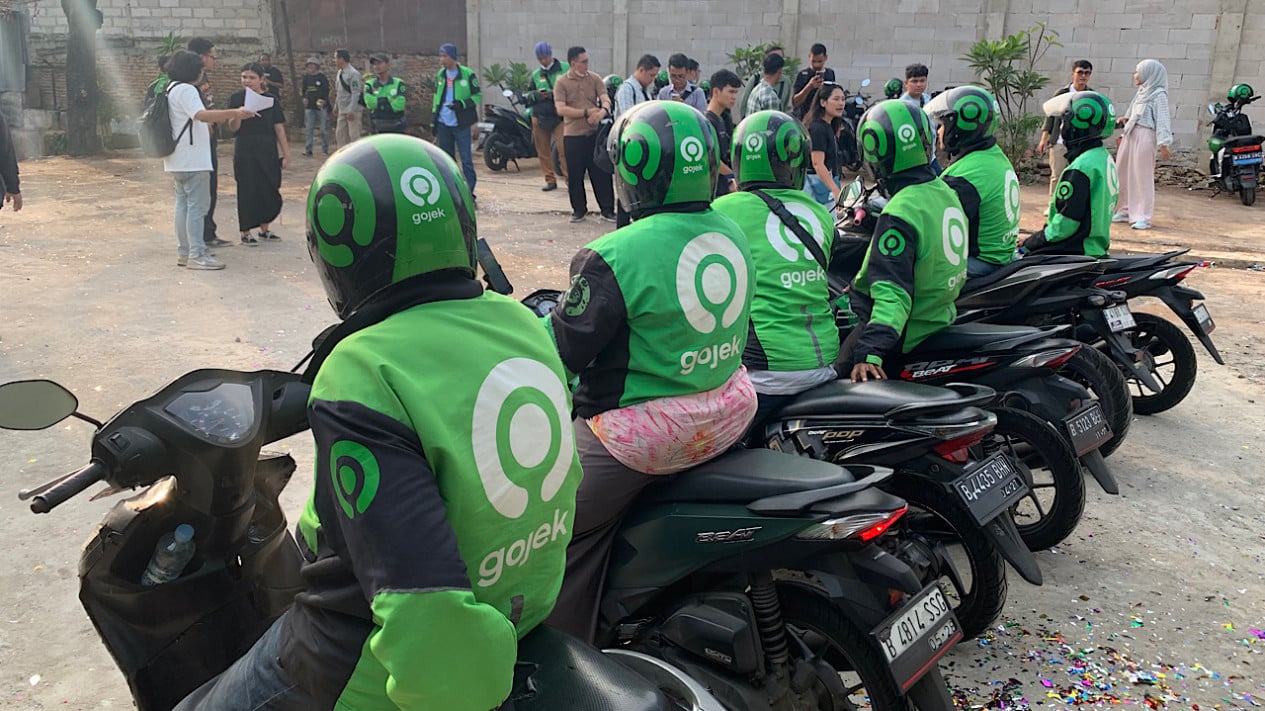
Jakarta, VIVA – The Ministry of Communication and Digital Affairs’ plan to draft implementing rules on charges for goods and food delivery under Presidential Regulation No. 27 of 2026, known as the Ojol Presidential Regulation, should be handled carefully. The rules could affect digital transactions, particularly those involving micro, small and medium-sized enterprises (MSMEs) and home-based food businesses.
Airlangga University economist Rumayya Batubara warned that delivery-charge policy should not be viewed solely in terms of the relationship between app companies and partner online motorcycle taxi (ojol) drivers. The service has become part of the digital economy chain linking consumers, merchants or sellers, drivers and platforms.
She said the Ojol Presidential Regulation was an important step towards protecting drivers and organising the transport and delivery ecosystem based on digital platforms. However, its implementing rules must take into account the impact on all parties involved in digital commerce.
“Goods and food delivery services are not simply a relationship between app companies and drivers, but part of a digital economy ecosystem that also supports millions of MSME transactions, including home-based food businesses,” Rumayya said in a statement on Friday, 16 October 2026.
Delivery charges could affect MSME transactions
Rumayya explained that goods and food delivery services are connected to various parties within an economic system. In economics, this is known as a multi-sided market.
In this model, consumers, merchants, drivers and platforms are interconnected. A policy change affecting one party could have consequences for the others.
Therefore, setting delivery charges requires consideration of the characteristics of businesses that depend on digital platforms to reach consumers. One example is a home-based food business selling meals at relatively affordable prices.
Rumayya cited home-cooked food priced at around Rp20,000 to Rp30,000. For consumers buying products in this price range, delivery costs may be a key consideration before making a purchase.
If delivery charges rise too sharply, consumers may reduce their purchases. This could affect merchants’ sales, particularly MSMEs that rely on delivery services to market their products.
Source: jawawa.id (https://jawawa.id/newsitem/care-needed-in-drafting-derivative-rules-on-goods-and-food-delivery-under-the-ojol-presidential-regulation-1792288219)
Originally published by VIVA.co.id (https://www.viva.co.id/bisnis/1936688-pengaturan-turunan-perpres-ojol-soal-pengantaran-barang-dan-makanan-harus-hati-hati-ini-risikonya), translated from Indonesian