
Cancer Patient Life Expectancy Rises Thanks to Modern Therapy
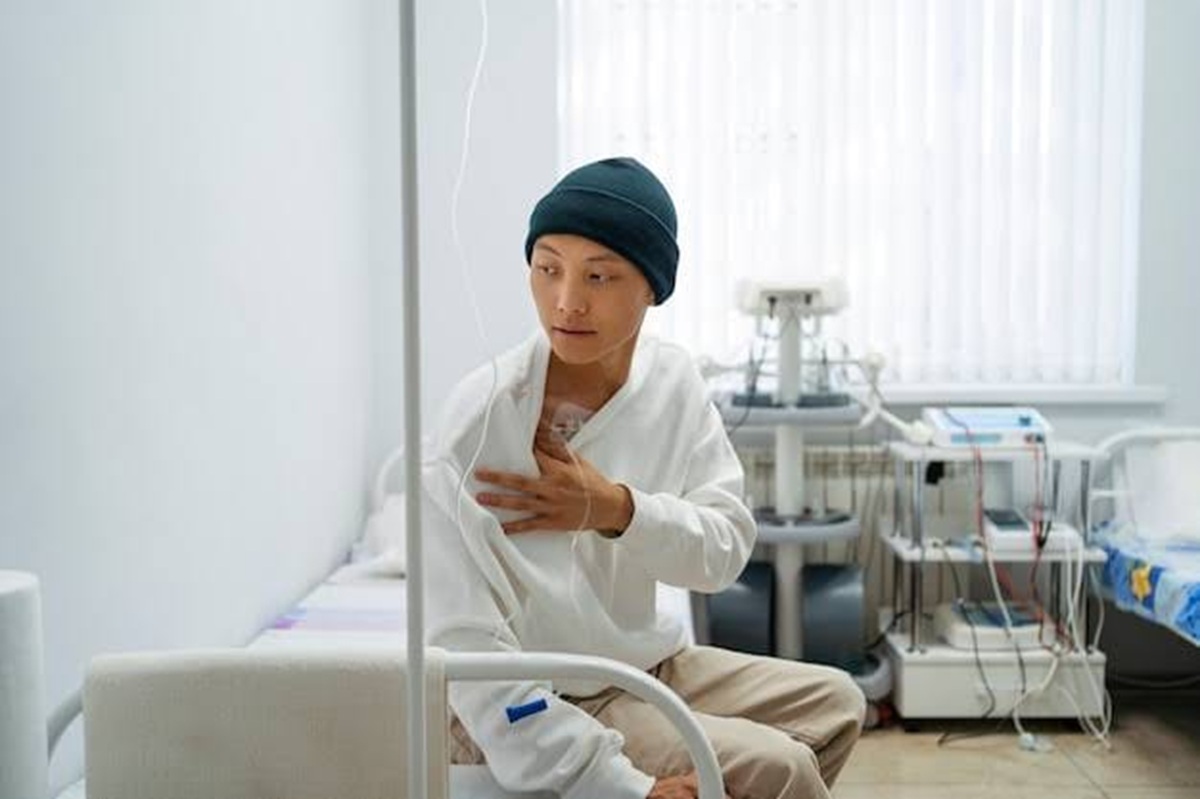
The life expectancy of cancer patients continues to improve alongside the development of medical technology and increasingly precise treatment methods. This condition provides a greater opportunity for patients to live longer after being diagnosed with cancer.
Oncology expert at Parkway Cancer Centre Singapore, Dr. See Hui Ti, said the increase in cancer cases is not always directly proportional to the increase in mortality rates. According to her, advances in therapy mean many patients are now able to survive for more than 10 years after diagnosis.
“The number of cancer cases is indeed increasing, but patient life expectancy is also continuing to rise thanks to developments in therapy and medical technology. Many patients can live more than 10–15 years after diagnosis, due to increasingly precise treatment,” she said.
According to See Hui Ti, current developments in cancer treatment allow doctors to provide more targeted therapy according to the disease characteristics of each patient. This approach makes treatment more effective while improving the patient’s quality of life in the long term.
Although patient survival chances are improving, See Hui Ti reminded that prevention remains the most important step. One factor that needs attention is obesity and high insulin levels, which are known to be associated with an increased risk of various types of cancer. She mentioned that cancers linked to these conditions include breast cancer, uterine cancer, colon cancer, stomach cancer, prostate cancer, and kidney cancer.
Therefore, she encouraged the public to maintain an ideal body weight through a balanced nutritious diet. For women, this step also plays a role in helping to reduce the risk of breast cancer.
See Hui Ti explained that women who are obese can gain health benefits by losing weight to reach a normal range. However, she cautioned that everyone has a different ideal body weight target, so there is no need to force oneself to become too thin. “Losing weight from obesity to a normal weight can help improve the condition. But people who already have a normal body weight do not need to become too thin, because the ideal body weight differs for each person, influenced by genetic factors and natural body shape,” she said.
She also explained that weight management needs to be adjusted according to age, especially before and after menopause. “The recommended weight is different before and after menopause, so its management needs to be tailored to the age and condition of each woman. If you are under 50, you don’t need to be too thin, but if you have passed the age of 50, being slimmer is better,” she said.
In addition to maintaining body weight, See Hui Ti emphasised the importance of preventing cervical cancer through Human Papillomavirus (HPV) vaccination. She urged parents to utilise the government-recommended HPV vaccination programme to protect their children from the risk of cervical cancer in the future.
On the other hand, she also highlighted the importance of maintaining the psychological condition of cancer patients. Based on her clinical experience, prolonged stress can affect the healing process and increase the risk of cancer recurrence. “Stress factors that are often found originate from domestic conflicts, spousal infidelity, family problems, mental health disorders of family members, and long-term emotional pressure. Therefore, doctors not only provide medical therapy but also greatly assist patients in managing their psychological condition,” she said.
According to See Hui Ti, current cancer management does not only focus on administering drugs or medical procedures, but also applies a more holistic approach. Psychological support, stress management, a healthy diet, maintaining an ideal body weight, and prevention through vaccination are important parts of improving the quality of life as well as extending the life expectancy of cancer patients.