
Canada Halts Trade Negotiations, Trump Attacks Again
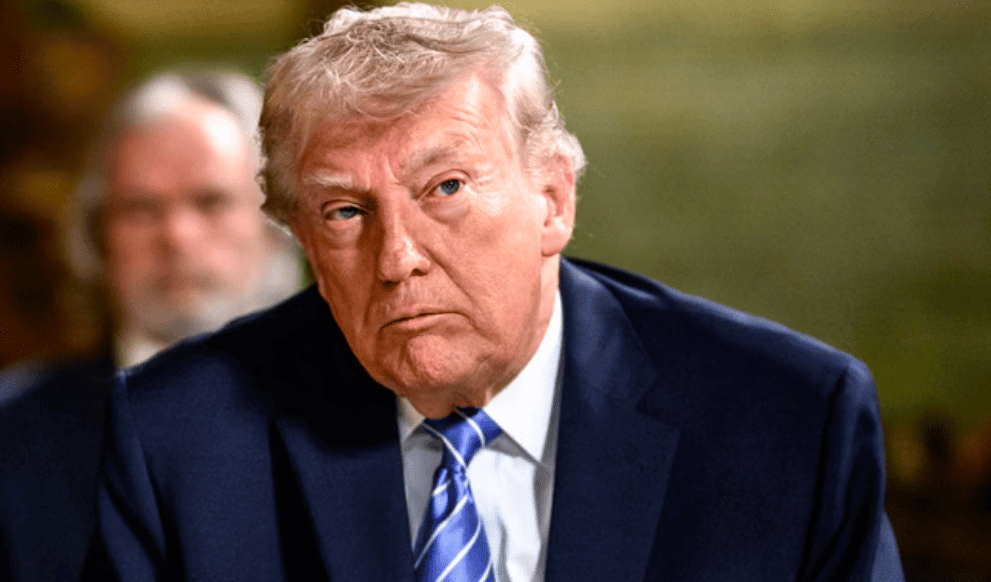
United States President Donald Trump has again criticised Canada over tariff policies and the trade relationship between the two countries. The statement was made by Trump on Sunday (23/8) amid the ongoing trade dispute between Washington and Ottawa.
In a post on Truth Social, Trump referred to Canada’s desire to benefit from its relationship with the US without becoming part of the United States. “Canada wants the benefits of being a state, without being a state!” Trump wrote on Truth Social.
Trump also accused Canada of imposing high tariffs on US agricultural products for years. He stressed that this policy would not be allowed to continue. “They have also been charging our great farmers massive tariffs for years. No more!”, he said.
Trump’s statement further highlights the tension in the trade relationship between the US and Canada, which has recently been marked by mutual criticism over tariff policies.
Earlier, Canadian Prime Minister Mark Carney accused the US administration of using new tariff policies to hurt and divide Canada. Carney described Washington’s policy as a miscalculation. He also said Ottawa would take retaliatory measures of equal value, planned to take effect on 8 September.
Carney said Canada was also temporarily suspending trade talks with the US government. According to him, the decision was taken after Washington made a number of demands that Ottawa considered unacceptable. The move could prolong trade tensions between the two countries, which have very close economic ties.
Meanwhile, US Trade Representative Jamieson Greer offered a different view on the progress of negotiations. Greer said Canada had walked away from a trade agreement that he said was actually close to being finalised.
According to Greer, the agreement had the potential to benefit Canada, including through greater tariff reductions on Canadian export products entering the US market.
The tariff dispute has now become one of the main issues in US-Canada economic relations. The two countries still face differences of opinion over tariff levels, market access, and the steps that should be taken to resolve the trade dispute.