
Can you give birth in a hospital using BPJS without a referral letter?
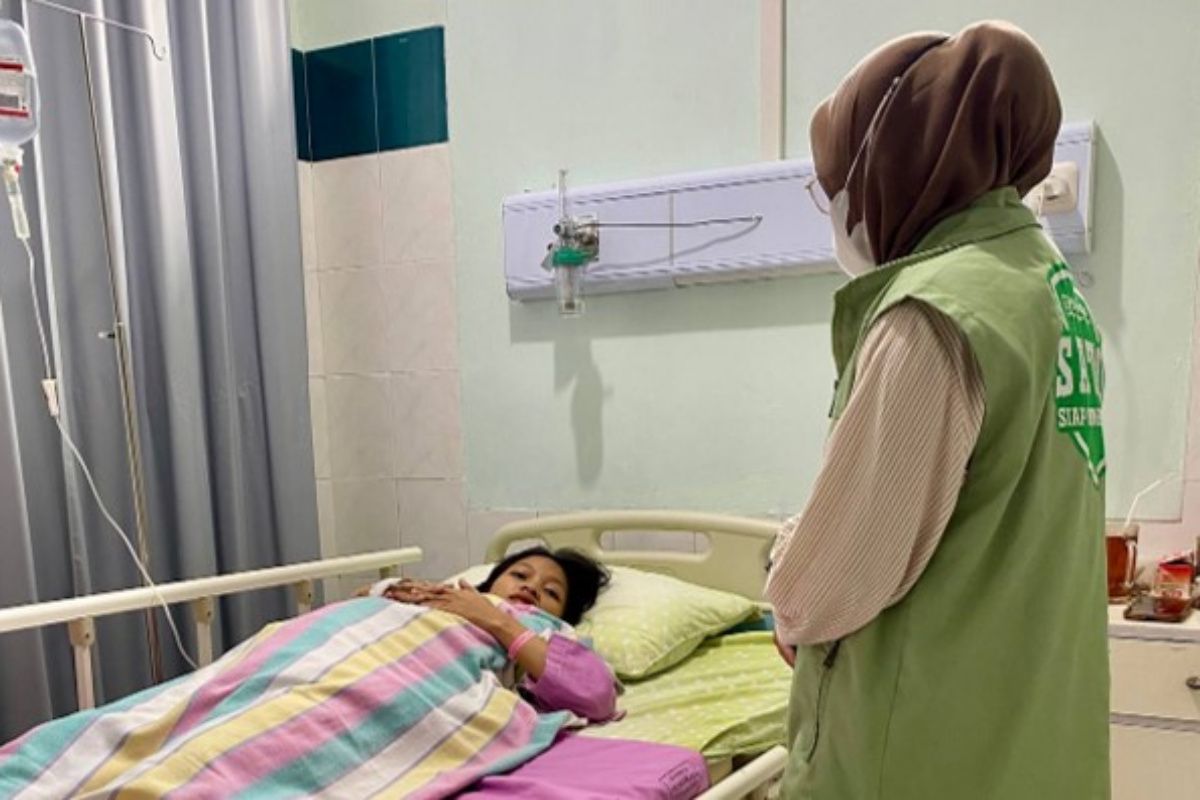
Jakarta (ANTARA) - BPJS Kesehatan participants can give birth in a hospital without a referral letter under certain conditions, particularly during medical emergencies that require immediate handling.
The National Health Insurance (JKN) programme guarantees delivery services, including both normal births and caesarean sections, based on medical indications. However, participants must still follow the applicable service flow if the pregnancy condition does not constitute an emergency.
So, can pregnant women go directly to a hospital to give birth using BPJS without bringing a referral letter?
Giving birth in a hospital without a referral
Under normal conditions, childbirth is prioritised to take place at Primary Healthcare Facilities (FKTP), such as community health centres (puskesmas) or clinics that partner with BPJS Kesehatan. If an examination reveals conditions or complications requiring treatment at advanced healthcare facilities, participants will receive a referral to a hospital. Hospital births are then conducted based on medical indications.
However, these rules have exceptions if a pregnant woman is in an emergency condition. In such circumstances, participants can go directly to the hospital’s Emergency Department (IGD) without first obtaining a referral letter from the FKTP.
Obstetric emergencies are not determined solely by a patient’s desire to give birth in a hospital. Hospital doctors will conduct examinations to determine whether the condition meets the criteria for an emergency.
Some examples of emergencies in pregnancy and childbirth include:
Haemorrhage.
Seizments during pregnancy.
Premature rupture of membranes.
Fetal distress.
Other conditions that may threaten the safety of the mother or baby.
Therefore, if a situation arises that threatens the safety of the mother or baby, do not delay seeking help simply because a referral letter has not been obtained. Participants can directly access emergency services at the hospital.
What if the pregnancy is normal?
If the pregnancy is progressing normally and no conditions requiring hospital treatment are found, JKN participants are directed to receive delivery services at their registered FKTP that provides maternity services.
If a pregnant woman wishes to give birth in a hospital without medical indications or emergency conditions, the referral procedure must still be observed. Hospital births do not automatically become the responsibility of the JKN programme simply because the participant holds a BPJS card.
Thus, the absence of a referral does not mean one is free to choose any hospital for childbirth using BPJS. Exceptions apply only when the patient’s condition is strictly categorised as an emergency based on medical assessment.
Caesarean sections can be covered under the JKN programme if there is a medical indication. For conditions known in advance that do not constitute an emergency, participants generally undergo examinations at the FKTP first before receiving a referral to a hospital.
Certain medical conditions, such as abnormal fetal position, placenta previa, fetal distress, or specific health risks, may be reasons for a doctor to consider a caesarean section based on examination results.
Meanwhile, if a patient’s condition suddenly becomes an emergency, delivery procedures, including caesarean sections, can be performed in a hospital without needing to bring a referral letter beforehand.
Requirements for using BPJS for childbirth
To ensure the service process runs smoothly, participants should ensure their JKN membership is still active. Identity and administrative documents must also be prepared, such as the National ID (KTP), Family Card (KK), BPJS membership card or identity, and the Maternal and Child Health Book.
For deliveries conducted through the referral flow, the referral letter from the FKTP is a vital part of the hospital service process. In emergency conditions, however, a referral letter is not a requirement for receiving initial treatment in the Emergency Department.
BPJS Kesehatan also encourages pregnant women to undergo routine prenatal check-ups. Regular examinations during pregnancy can help healthcare professionals detect risks and determine the appropriate service facilities should further treatment be required later.
In conclusion, giving birth in a hospital with BPJS without a referral is possible, but primarily in emergency situations. If the delivery is normal without emergency conditions, participants should follow the service flow from the FKTP and obtain a referral if there is a medical indication to give birth in a hospital, according to BPJS Kesehatan.