
Can Torn Rupiah Banknotes Be Exchanged? Here Are the Conditions.
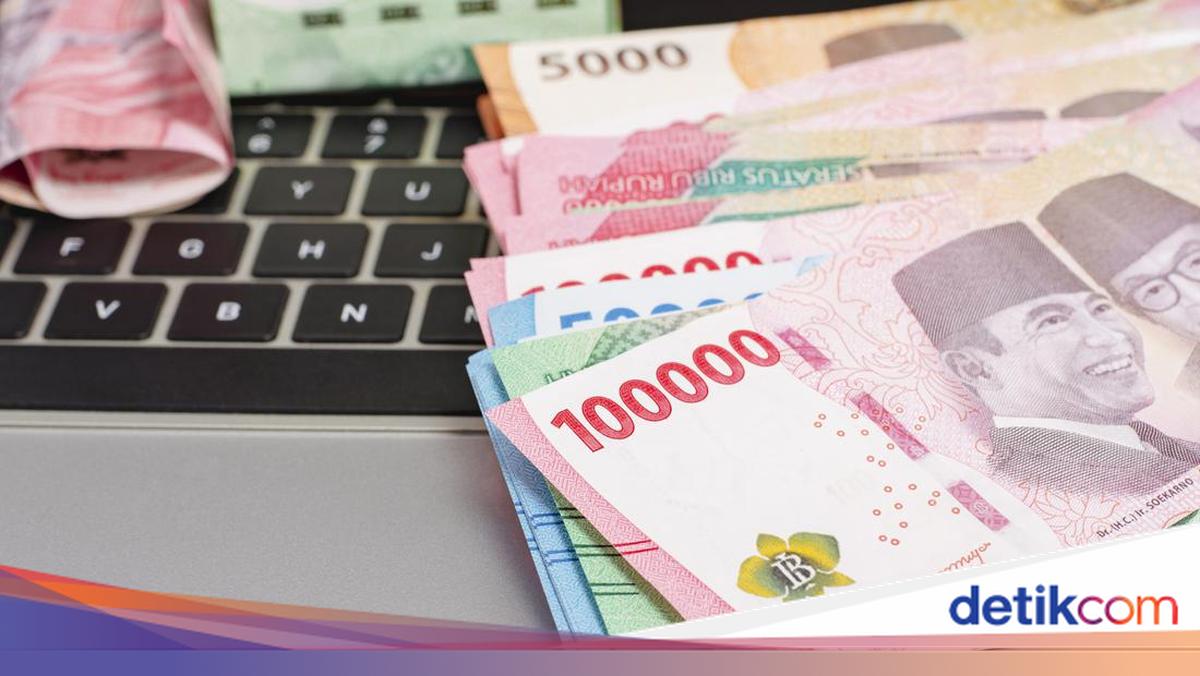
Torn rupiah banknotes often cause confusion for their owners: can they still be used, or should they be discarded? In many cases, damaged or defective money, such as torn banknotes, can still be exchanged through Bank Indonesia, provided that certain conditions are met.
As the authority responsible for regulating the circulation of money in Indonesia, Bank Indonesia has established clear rules regarding the exchange of damaged money, including banknotes that are torn, burned, or partially missing. Not all damaged money can be exchanged for its full value, as there are specific requirements that must be met.
So, is it true that torn rupiah banknotes can still be exchanged? To answer this question, let’s look at the conditions and requirements below.
Conditions and Requirements for Exchanging Torn Banknotes
Torn banknotes fall into the category of damaged or defective money. According to official regulations from Bank Indonesia, rupiah banknotes that are damaged can still be exchanged, provided they meet certain requirements.
The damage in question includes various conditions, such as banknotes that are burned, have holes, are partially missing, torn, or shrunk so that their size is no longer the same as the original. In other words, as long as the banknote can still be identified as valid rupiah, there is still a chance of it being exchanged.
One of the main requirements for exchanging torn banknotes is that the authenticity features must still be recognisable. This includes physical characteristics such as images, colours, security threads, and other security elements that are still clearly visible. In some cases, such as burned money, exchanges can still be made for the same value as long as its authenticity can still be confirmed.
In addition, the damage to the money must not be caused intentionally. If, based on observations by Bank Indonesia, there is an indication that the money was deliberately damaged, then the exchange will not be processed.
Here are the detailed conditions for damaged or defective money that can still be exchanged:
The damaged or defective Rupiah money refers to money whose size or physical condition has changed or differs from its original size due to being burned, having holes, being partially missing, torn, and shrunk.
Damaged or defective money can be exchanged if the authenticity features of the rupiah money can still be identified or recognised.
The damage is not caused intentionally. If Bank Indonesia suspects that the damage to the rupiah money was intentional, then the exchange will not apply.
Money that is partially damaged due to being burned will be replaced with the same nominal value, as long as Bank Indonesia can still confirm its authenticity.
Replacement for damaged or defective money will be given at the same nominal value if it meets all of the following requirements: (1) The physical Rupiah banknote is more than 2/3 (two-thirds) of its original size, (2) The authenticity features of the Rupiah can be identified, (3) The damaged banknote still consists of one piece with or without a complete serial number, (4) The damaged Rupiah banknotes do not consist of one piece and both serial numbers on the damaged Rupiah banknotes are complete and identical.
If the physical Rupiah banknote is equal to or less than 2/3 (two-thirds) of its original size, no replacement will be given.
The exchange of money that is damaged or defective due to being burned requires a letter of recommendation from the local village office or the Indonesian National Police with certain considerations.
Bank Indonesia does not provide compensation for lost or destroyed money for any reason.
How to Exchange Torn Rupiah Banknotes
After knowing the conditions and requirements for exchanging torn banknotes, you also need to understand how to exchange them. According to the same source, exchanges can be made at the Bank Indonesia Head Office and 45 Bank Indonesia Domestic Representative Offices throughout Indonesia.
This exchange service is usually open from 08:00 to 11:30 local time, so it is important to come on schedule to avoid exceeding the daily service quota. Before exchanging money at the nearest branch office, users are advised to make a reservation through the Pintar BI application first.
The following are the steps for exchanging torn Rupiah banknotes, starting from making a reservation in the Pintar application to coming to the branch office:
Make a reservation by accessing the official Pintar BI website or via the following link: https://pintar.bi.go.id/
On the main page of PINTAR, select the menu