
Can Those Who Offer Qurban Eat the Sacrificial Meat? Here's the Explanation
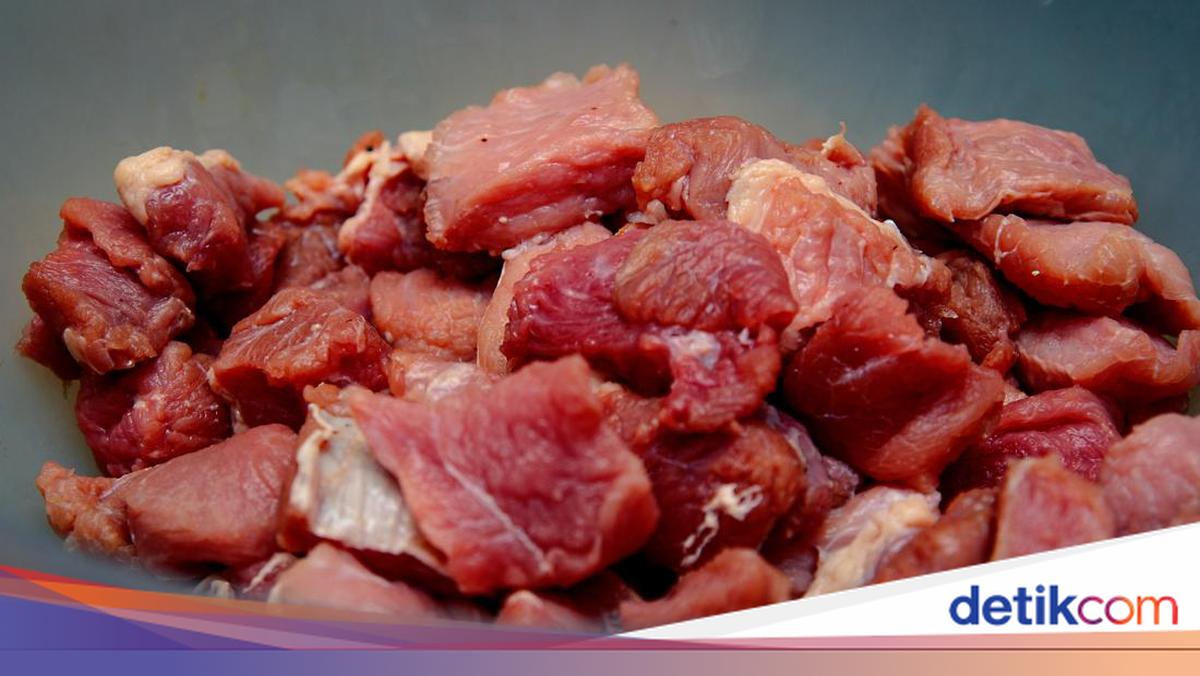
Every year, Eid al-Adha is celebrated joyfully worldwide. Takbirs resound in mosques alongside sacrificial animals prepared for slaughter on the Days of Tashriq. The festive season brings a time when meat becomes a staple food for most.
Question arises: can those who offer qurban (shohibul qurban) eat the sacrificial meat? What is the ruling? Read the explanation below.
Islamic Law on Qurban
Qurban is not merely about slaughtering an animal but also about sincerity and sharing with others. Scholars generally agree that performing qurban is a sunnah mu’akkadah (highly recommended practice).
The evidence comes from the narration of Abu Mas’ud Al-Anshari RA, who said, “Indeed, I do not perform qurban despite being financially capable. I do so because I fear my neighbours might think it is obligatory for me.” (Reported by Abdur Razzaq and Baihaqi with a sound chain of transmission).
Those who offer qurban are permitted to consume some of the sacrificial meat as an expression of gratitude and to seek blessings from the offering.
This is stated in Surah Al-Hajj, verse 36: “Eat thereof and feed the needy who is content with what he has, and the beggar. Thus have We subjected them to you that you may be grateful.”
For those who have made a vow or promise to perform qurban, it becomes obligatory. In such cases, they must not take any portion of the meat; all must be given to the poor and needy.
How is the Meat Distributed?
There are no strict legal rules on the distribution of sacrificial meat. Unlike zakat, which has specific recipients, all may partake in the meat. Scholars traditionally divide it into three parts: one-third for the shohibul qurban, one-third for the poor and needy, and one-third for the general public.
This division is not fixed by weight; it should be distributed fairly and proportionally. It is encouraged for the shohibul qurban to take only a small portion as an act of gratitude, with the rest distributed to others.
Sacrificial meat can also be given to those outside the city or affected by disaster. It is now common to distribute the meat in canned form for longer preservation and delivery to distant, needy communities. Such products must not be sold.