
Can Salted Fish and Salted Eggs Trigger Nasopharyngeal Cancer?
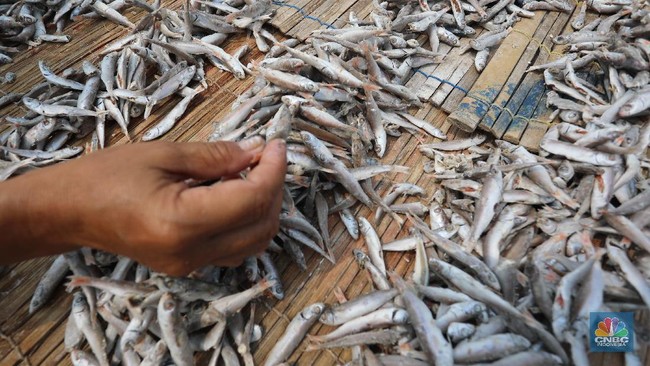
The consumption of salted fish and foods preserved with salt has come under scrutiny due to its association with an increased risk of nasopharyngeal cancer. This disease affects the nasopharynx, which is the upper part of the throat located behind the nose.
Indonesia is among the Southeast Asian nations with a relatively high incidence of nasopharyngeal cancer. The disease is also frequently found in Southern China, North Africa, and the Arctic regions. According to the Indonesia Cancer Care Community (ICCC), the exact cause of nasopharyngeal cancer remains unknown, but several studies indicate dietary patterns as a significant risk factor.
Salted fish is one of the foods most frequently linked to the disease. This food is produced through salting and preservation processes that increase the salt content in the fish. ICCC data shows that various studies consistently find a higher risk of nasopharyngeal cancer in individuals who frequently consume salted fish, with the risk increasing alongside the frequency and duration of consumption. The correlation is notably stronger if the habit began during childhood, specifically before the age of 10.
Dr Achmad Chusnu Romdhoni, an Ear, Nose, and Throat (ENT) specialist from the Faculty of Medicine, Airlangga University (UNAIR), explained that salted foods like salted fish and salted eggs can produce nitrosamines. Nitrosamines are compounds known as environmental carcinogens, or substances with the potential to trigger cancer. “Nitrosamines can alter the body’s defences, making the body vulnerable to the development of nasopharyngeal cancer,” he stated.
In addition to salted foods, foods prepared by grilling are also believed to increase the risk. Consequently, the public is advised to limit the consumption of such foods and adopt healthier dietary patterns.
Regarding the role of the Epstein-Barr virus, the ICCC explained that one mechanism linking salted fish to nasopharyngeal cancer is the formation of N-nitroso compounds in the body. These compounds can arise from a reaction between amines in the fish and nitrates or nitrites from the salt used in the preservation process. This process is also thought to be related to the activation of the Epstein-Barr virus (EBV), which has a well-established link to nasopharyngeal cancer.
Dr Achmad noted that exposure to the Epstein-Barr virus is a major trigger, though the virus is very common in Asia, with approximately 80% of adults in the region estimated to have been exposed to low levels of the virus. Therefore, the most realistic prevention method is controlling environmental and lifestyle risk factors.
While genetic factors may increase susceptibility, Dr Achmad emphasised that nasopharyngeal cancer is not a directly inherited disease. “Nasopharyngeal cancer is not an inherited disease. However, because of shared genes, an individual may have a vulnerability to it. But whether the cancer actually develops is not guaranteed,” he explained.
The ICCC warns the public to be vigilant regarding symptoms such as lumps in the neck, nasal congestion, frequent nosebleeds, hearing impairment, tinnitus, ear pain, headaches, and difficulty breathing or speaking. If these symptoms occur, individuals are advised to seek immediate medical consultation for diagnosis and treatment.
Globally, nasopharyngeal cancer is one of the most common cancers found in the ENT field. Dr Achmad noted that approximately 60% to 70% of cancers in the head and neck area are nasopharyngeal cancers. In Indonesia, the incidence rate has been recorded at approximately 6.2 cases per 100,000 inhabitants.