
Can Muslims Read Tarot? An Explanation of the Ruling in Islam
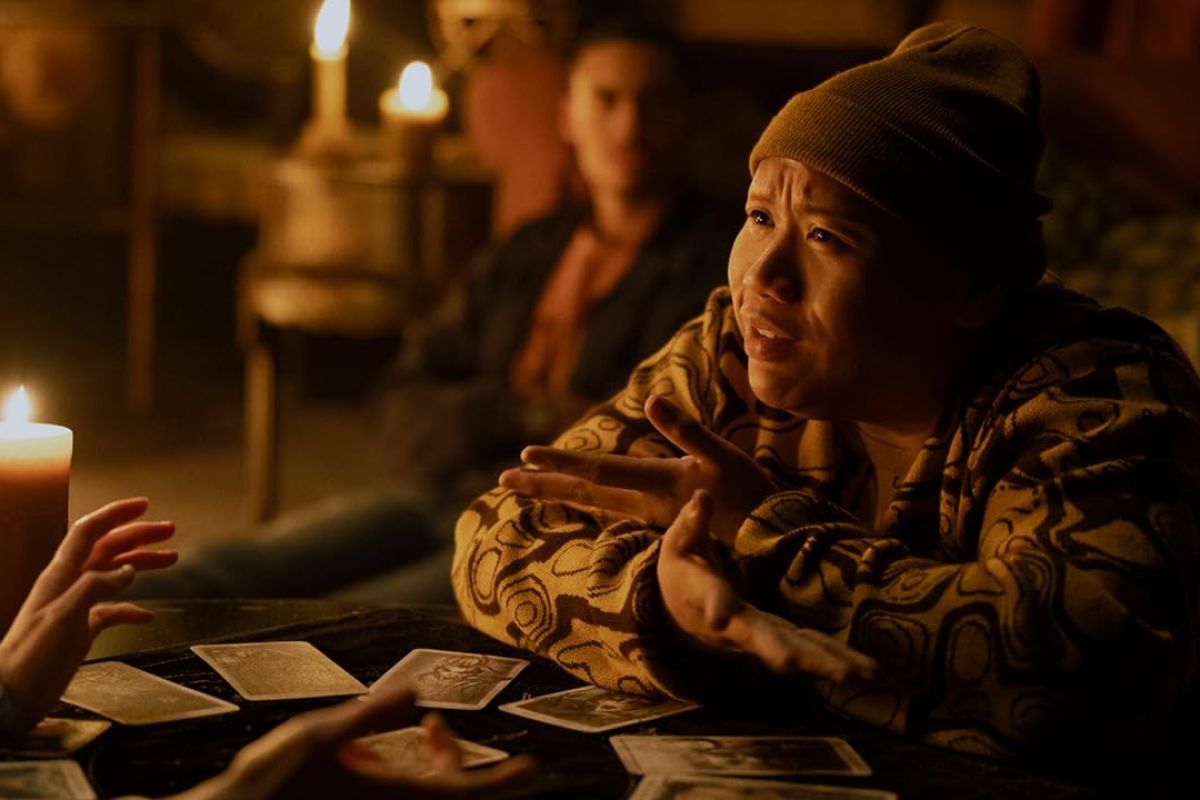
Jakarta (ANTARA) – Tarot card readings are increasingly easy to find on social media. They are often used to answer questions about romance, careers, finances and what the future may hold for someone.
Some people regard tarot as entertainment or a way to understand themselves. Others, however, use the results of readings as guidance when making life decisions.
So, what is the Islamic ruling on believing in tarot?
Islamic teachings say that claims to predict the future should be taken seriously, because matters of the unseen are known only to Allah.
Knowledge of the unseen belongs only to Allah
Islam teaches that human beings cannot know all matters of the unseen, including events that have yet to happen.
This is affirmed in the Qur’an, Surah An-Naml, verse 65, which states: “No one in the heavens and the earth knows the unseen except Allah.”
This verse is one basis for the view that people should not place their faith in individuals or methods claiming to reveal destiny and the future.
In tarot readings, the reader usually interprets the arrangement of symbols to offer an account of someone’s life. If the reading is presented as certain information about the future, it falls under fortune-telling, which is prohibited in Islam.
From the perspective of Islamic jurisprudence, using tarot to predict someone’s fate is comparable to sorcery or fortune-telling (kahin and ’arraf).
NU Online, in its discussion of the ruling on asking tarot readers questions, explains that the practice is problematic when used to uncover matters of the unseen. Islam forbids Muslims from visiting fortune-tellers and asking them questions, let alone believing their claims.
A hadith also gives a stern warning on this matter. The Prophet Muhammad said that anyone who visits a kahin or fortune-teller and believes what they say has denied the revelation sent down to the Prophet Muhammad.
The hadith, narrated by Imam Ahmad, serves as a reminder that believing claims by fortune-tellers to have knowledge of the unseen is no trivial matter.
What if someone only asks or tries tarot?
Islam also warns people against visiting fortune-tellers even if they only intend to ask a question.
In a hadith narrated by Muslim (No. 2230), the Prophet Muhammad said that the prayers of anyone who visits a soothsayer and asks them something will not be accepted for 40 nights.
Scholars explain that “not accepted” refers to the loss of the reward for prayer; it does not remove the obligation to pray. The person must still perform the five daily prayers.
Therefore, curiosity or a desire simply to try it does not, by itself, make seeking a fortune-telling reading permissible.
The purpose and manner of use need to be distinguished.
Tarot cards originated in Europe as playing cards. Over time, however, they came to be widely used for fortune-telling, with their symbols interpreted to predict someone’s fate.
If cards are used to claim or seek knowledge of the unseen, the practice is prohibited fortune-telling. Their use solely as a game, without fortune-telling or mystical beliefs, should instead be assessed according to the activity and its effects.
The Muhammadiyah Tarjih Council has also noted that there is no specific fatwa addressing tarot cards. Nevertheless, the principles prohibiting fortune-telling and belief in claims of knowledge of the unseen remain a guide for considering the practice.
The Islamic approach to the future
Rather than seeking certainty through fortune-telling, Islam teaches Muslims to make an effort, pray, consult others and place their trust in Allah.
When dealing with relationships, work or other important decisions, a person can weigh the facts, seek advice from someone they trust and reflect on their own choices.
This helps ensure decisions are not based on interpretations of card symbols that may have no sound basis.
Ultimately, believing in tarot as a means of knowing one’s fate or matters of the unseen conflicts with the principles of Islamic faith. Muslims are advised not to use fortune-telling as a guide to life and to leave knowledge of the future to Allah.
Source: jawawa.id (https://jawawa.id/newsitem/can-muslims-read-tarot-an-explanation-of-the-ruling-in-islam-1794718318)
Originally published by Antara (Indonesian) (https://www.antaranews.com/berita/5855191/bolehkah-muslim-bembaca-tarot-ini-penjelasan-hukumnya-dalam-islam), translated from Indonesian