
Can iPhones Really Not Be Tapped? Here Are the Facts
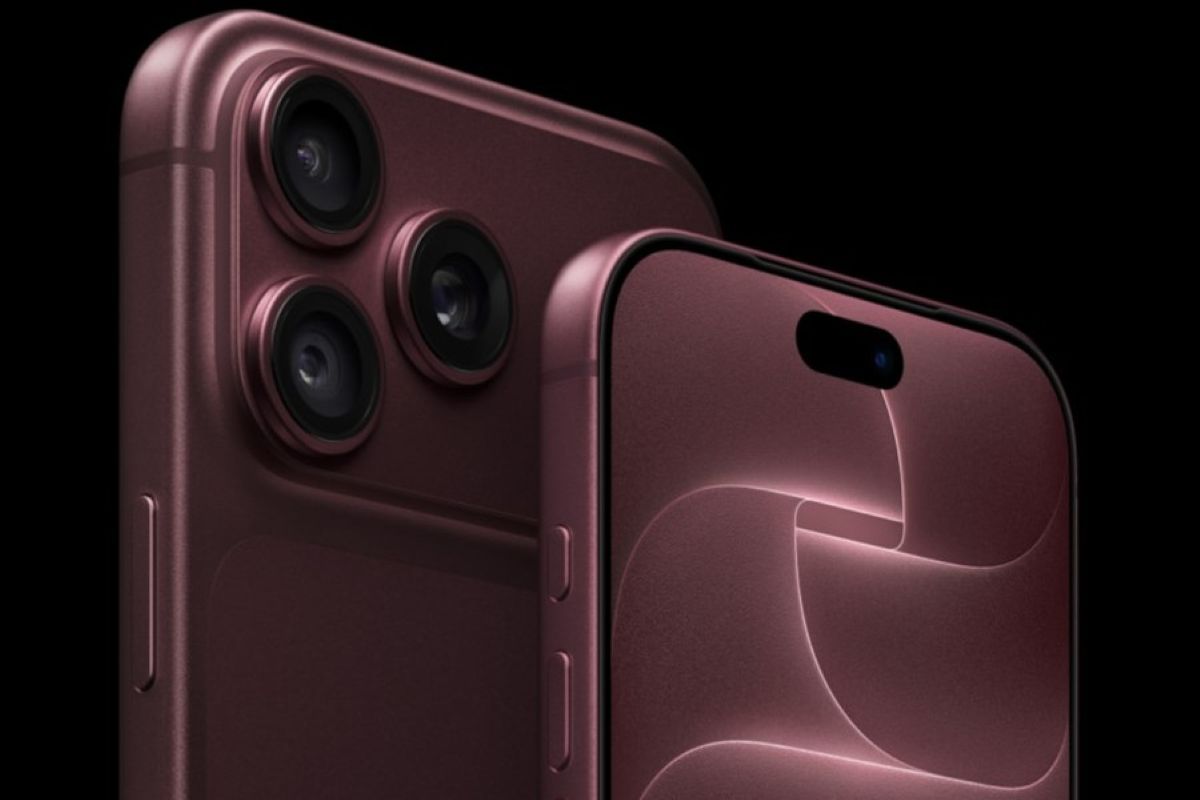
Jakarta (ANTARA) — iPhones are often considered among the safest mobile phones because of their strong security systems and closed ecosystem. Unlike some Android devices, Apple imposes various restrictions on apps and system access to protect users’ data.
This has led many people to believe that iPhones cannot be tapped or hacked. However, that assumption is not entirely true.
In reality, iPhones remain at risk of surveillance, particularly through cyberattacks that exploit operating-system vulnerabilities or use malicious software such as spyware.
One example that has drawn global attention is Pegasus, spyware developed by surveillance technology company NSO Group. The software is known to be capable of infiltrating iPhones and accessing personal information, including messages, photos and location data, as well as the microphone and camera.
A September 2026 report by Citizen Lab confirmed that an activist’s iPhone in Serbia had been infected with Pegasus in a zero-click attack. This means a device can be infiltrated without the victim having to click a link or download a particular app.
Why can iPhones still be tapped?
Several factors can make iPhones targets of surveillance.
- iOS security vulnerabilities
Although Apple regularly updates its security systems, that does not mean iOS is entirely free of vulnerabilities. Hackers can exploit flaws that have not yet been discovered or fixed to install malicious software on a device.
Such attacks can even be carried out without any action by the user, for example by exploiting iMessage.
- Phishing attacks
iPhone users can also fall victim to phishing: attempts to steal personal information through fraudulent messages, emails or websites.
If users enter their Apple Account details, password or other sensitive information on a fake website, attackers may take over their account and access the data stored in it.
- Suspicious apps and configuration profiles
Downloading apps from untrusted sources or installing unknown configuration profiles can increase security risks.
Certain profiles can give another party management access to a device, so users should be cautious before agreeing to install one.
How to protect an iPhone from surveillance
Although no device is completely immune to cyberattacks, users can take several steps to strengthen their iPhone’s security.
- Update iOS regularly
Make sure your iPhone is always running the latest version of iOS. System updates usually include fixes for security vulnerabilities that hackers could exploit.
- Enable two-factor authentication
Use two-factor authentication for your Apple Account so that others cannot easily take it over, even if they know your password.
- Review app permissions
Open Settings, select Privacy & Security, then check apps’ access to the camera, microphone, location, contacts and photos. Revoke any permissions that are not needed.
- Use Safety Check
Apple provides Safety Check to help users review and reset access granted to other people and apps.
The feature can be found in Settings, under Privacy & Security, then Safety Check.
- Enable Lockdown Mode
For users who believe they may be at risk of high-level cyberattacks, Apple provides Lockdown Mode. The feature restricts certain app, website and service functions to reduce potential spyware attack routes.
It can be enabled in Settings, under Privacy & Security, then Lockdown Mode.
So, are iPhones really safe?
iPhones have strong security systems, but that does not mean they are impossible to tap. The Pegasus case shows that sophisticated surveillance technology can still get past iOS protections by exploiting certain vulnerabilities.
Even so, high-level spyware such as Pegasus generally targets specific individuals or groups, rather than users at random.
Users therefore need not be unduly alarmed. The key is to secure their accounts, keep the operating system up to date, avoid suspicious links, and be cautious about granting access to apps or other parties.
Source: jawawa.id (https://jawawa.id/newsitem/can-iphones-really-not-be-tapped-here-are-the-facts-1794585206)
Originally published by Antara (Indonesian) (https://www.antaranews.com/berita/5852807/benarkah-iphone-tidak-bisa-disadap-ini-faktanya), translated from Indonesian