
Can Herbal Cholesterol Remedies Be Taken with Prescription Medicines?
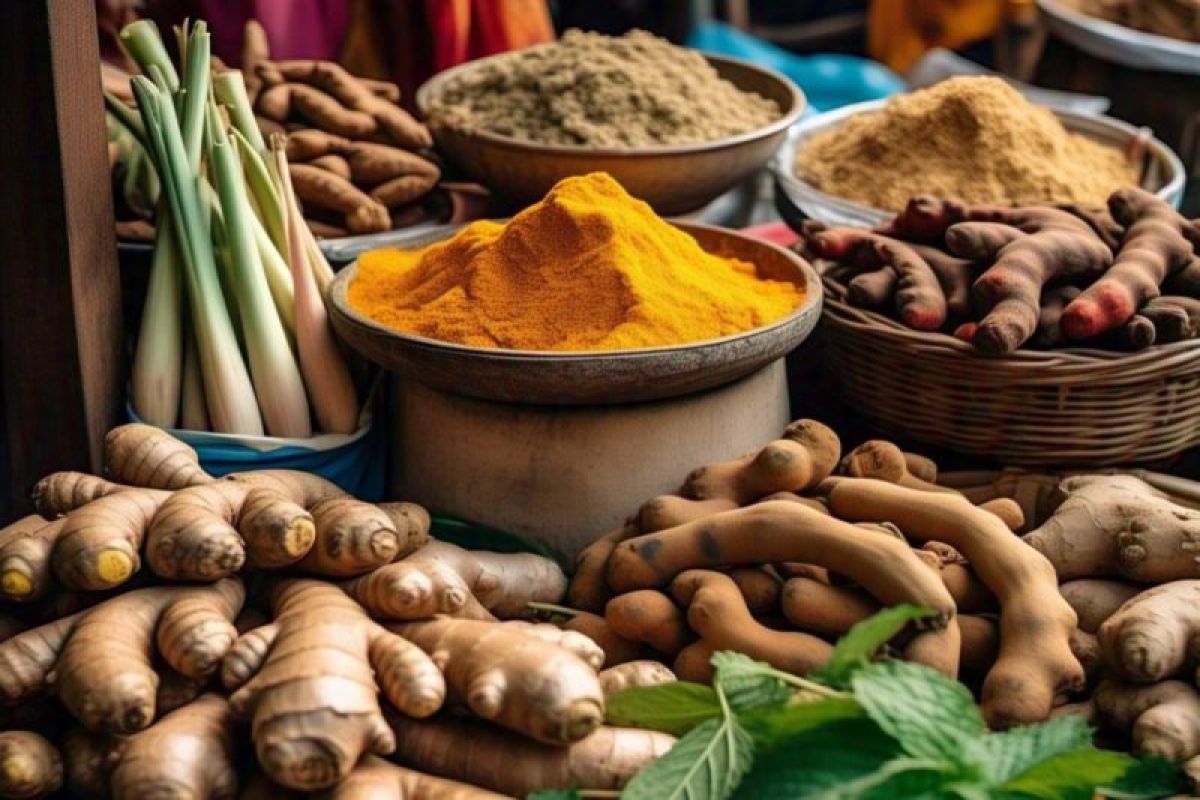
Jakarta (ANTARA) – Herbal remedies are still used by some people to help manage cholesterol levels. Products made from natural ingredients are typically used alongside dietary changes and physical activity, including by people who have already been prescribed medication by a doctor.
However, taking several products at the same time requires caution because active ingredients in herbal remedies can interact with certain medicines. Such interactions may weaken or intensify a medicine’s effects, or increase the risk of side effects.
Herbal remedies are not always safe to combine with medicines
The assumption that natural ingredients are always safe warrants reconsideration. Herbal products contain active compounds that can affect how the body absorbs, processes or eliminates medicines.
The National Center for Complementary and Integrative Health (NCCIH) says some supplements can reduce the effectiveness of medicines, while others may intensify their effects and trigger unwanted side effects. There is also insufficient evidence about interactions between some herbal products and medicines.
Doctors or pharmacists therefore need to know about everything a person takes, including prescription and over-the-counter medicines, vitamins, jamu and herbal supplements.
Some herbal ingredients may help lower cholesterol
A number of natural ingredients have been studied for their potential to help lower cholesterol. Garlic, soy, flaxseed, and plant sterols and stanols are among those investigated for this purpose.
Their effects, however, are not always as pronounced as those of cholesterol-lowering medicines. The NCCIH notes, for example, that garlic has a relatively small effect on cholesterol compared with cholesterol-lowering medicines. Soy products have also shown a smaller effect than medicines used to lower cholesterol.
The 2026 dyslipidaemia management guidelines from the American Heart Association (AHA) and American College of Cardiology (ACC) also state that dietary supplements are not recommended as a treatment for managing cholesterol. People taking supplements are advised to discuss them with a healthcare professional because some products can interact with prescription medicines.
Red yeast rice warrants caution
One product that merits particular attention is red yeast rice. It can contain monacolin K, a compound structurally identical to lovastatin, a medicine in the statin class.
The amount of monacolin K in red yeast rice products can vary considerably. Consumers may not be able to determine the amount simply by reading the product label.
Products containing significant amounts of monacolin K can have effects similar to statin medicines, including risks to the muscles, liver and kidneys. They may also have similar drug interactions.
For this reason, taking red yeast rice alongside a statin requires particular caution and should not be done without guidance from a healthcare professional.
Some herbs may affect cholesterol medicines
Other herbal ingredients can also interact with medicines. Concentrated green tea extract supplements, for example, may lower atorvastatin levels in the blood, potentially affecting how the medicine works.
The NCCIH also notes uncertainty about possible interactions between Asian ginseng and certain medicines, including statins used to treat high cholesterol.
This shows that a product’s safety cannot be assessed solely on the basis of claims that it is natural. Its ingredients, dosage, the type of medicine and the user’s health condition all need to be considered.
Do not stop prescribed medicines without advice
Cholesterol treatment is intended not only to improve blood test results, but also to help reduce the risk of heart disease and stroke in people at particular risk.
The 2026 AHA and ACC guidelines stress the importance of managing LDL levels through lifestyle changes and lipid-lowering treatment tailored to each patient’s risk. In some cases, medication remains necessary.
Accordingly, medicines prescribed by a doctor should not be stopped or replaced with herbal products without medical advice. Anyone wishing to add an herbal remedy or supplement should tell their doctor or pharmacist its name, ingredients, dosage and frequency of use.
The US Food and Drug Administration (FDA) also advises patients taking statins to tell healthcare professionals about all medicines, vitamins, herbal supplements and nutritional products they use.
As more herbal products become available, consumers should take care before combining them with cholesterol medicines. A ‘natural’ label does not automatically mean a product is free of side effects or drug interactions.
Source: jawawa.id (https://jawawa.id/newsitem/can-herbal-cholesterol-remedies-be-taken-with-prescription-medicines-1791791738)
Originally published by Antara (Indonesian) (https://www.antaranews.com/berita/5781740/bolehkah-obat-herbal-kolesterol-digabung-dengan-obat-dokter), translated from Indonesian