
Can Climate Change Cause Direct Death? Check the Facts
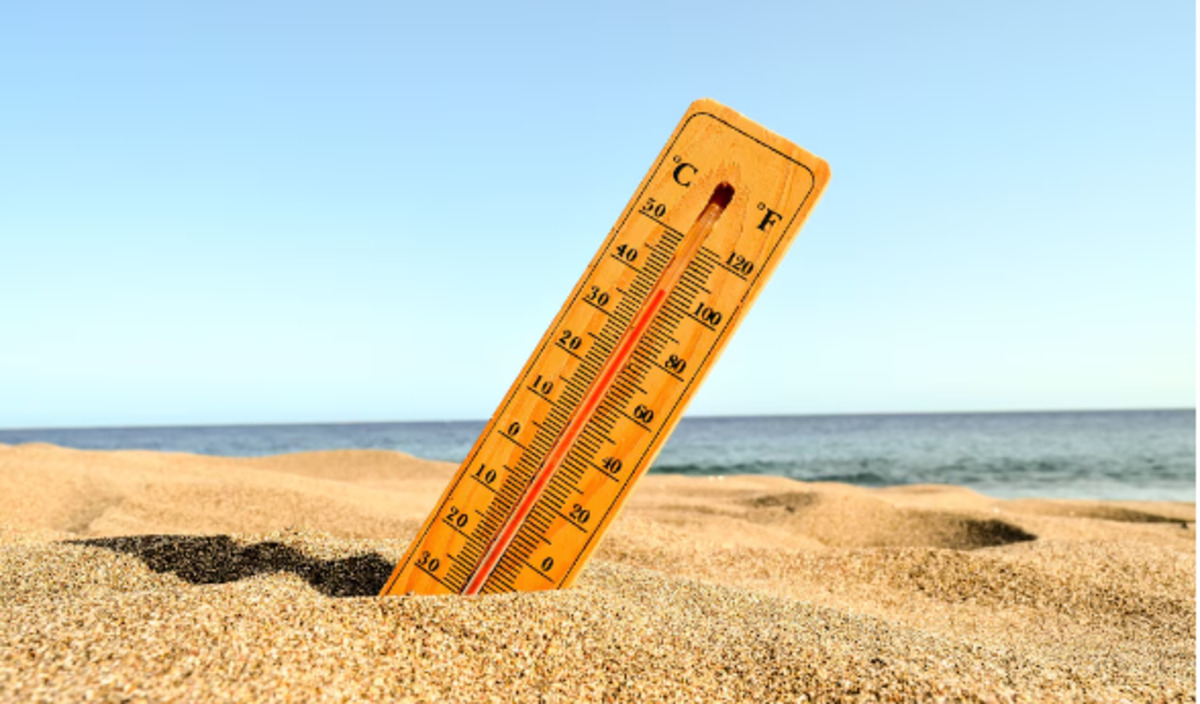
The question of whether climate change can truly cause direct deaths often sparks debate. Scientifically, the answer is yes. Climate change is no longer merely an abstract future threat, but a medical reality with a direct impact on human survival. Climate-related deaths can occur through acute (direct) or chronic (indirect) mechanisms.
Direct deaths caused by climate change are usually linked to extreme weather phenomena whose intensity and frequency have increased as a result of global warming. The following is an in-depth analysis of how climate change can be a direct cause of loss of human life.
Heatwaves are the deadliest killer directly associated with climate change. When ambient temperatures exceed the body’s ability to cool itself through sweating, humans can suffer heatstroke.
Climate change increases the energy in the atmosphere, triggering more devastating natural disasters. Deaths in this context occur traumatically and instantaneously.
Although often regarded as an indirect impact, climate change accelerates the spread of deadly diseases to previously safe regions. Changes in temperature allow malaria- or dengue-carrying mosquitoes to survive in highland areas, causing sudden spikes in deaths among populations with no immunity to these diseases.
The World Health Organization (WHO) estimates that between 2030 and 2050, climate change is predicted to cause approximately 250,000 additional deaths per year due to malnutrition, malaria, diarrhoea and heat stress.
To minimise the risk of direct deaths from climate impacts, serious mitigation and adaptation measures are required.
Climate change is a genuine health threat. Direct deaths occur through extreme heat and disasters, while its long-term effects damage the systems that support human life. Awareness of these risks is essential to drive stricter environmental policies.