
Can a Regular Worship Routine Help the Body Relax?
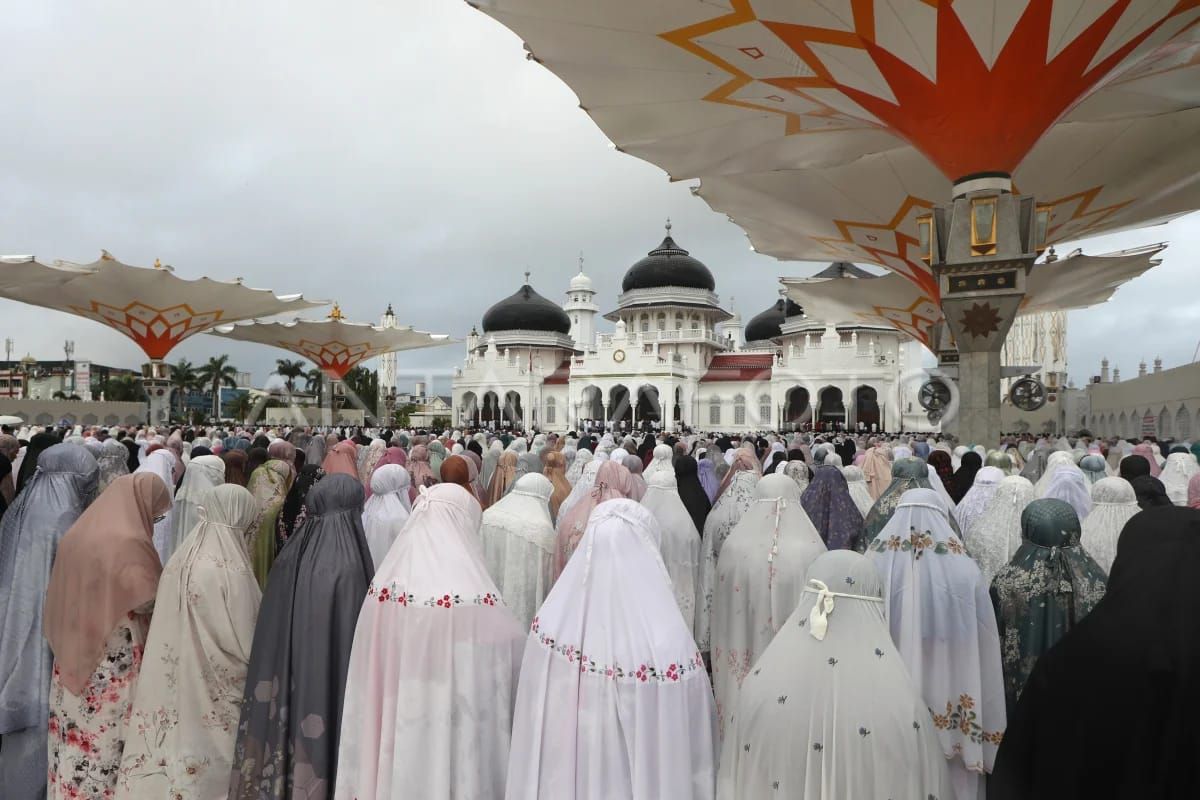
Jakarta (ANTARA) - Amid busy schedules, the body and mind sometimes need a break. Work, personal problems and constant exposure to information can leave people feeling tense and struggling to calm their thoughts.
For some people, a regular worship routine is one way to take that break. Praying, reading scripture, reciting dhikr or performing salat can provide time to focus and step away briefly from daily demands.
So, can regular worship help the body relax? Some research into spiritual practices and meditation suggests potential benefits for stress and anxiety. However, the effects depend on the type of activity, personal experience and each individual’s circumstances.
1. Helps manage stress
Stress is the body’s natural response to pressure. In some situations, it can cause an increased heart rate, muscle tension and changes in breathing patterns.
A worship routine can offer an opportunity to pause and step away from sources of pressure. When someone prays or worships calmly, their attention can shift from daily demands to an activity they consider meaningful.
A systematic review published in the journal JAMA Internal Medicine in 2014 analysed 47 clinical trials involving a total of 3,515 participants. It found that mindfulness-based meditation programmes could help reduce anxiety and depression, with small to moderate effects.
Those findings do not directly prove that every form of worship has the same effect. However, they suggest that activities involving focused attention and calm may help some people manage psychological pressure.
2. Gives the body a chance to rest
A calm worship routine can provide a break from activities that require constant attention. When someone pauses work to pray or worship, they have an opportunity to reduce environmental stimulation and collect their thoughts.
That pause may help someone feel calmer, particularly when everyday activities become tiring. Even so, worship does not automatically remove all physical tension. The body still needs sufficient sleep, physical activity and adequate recovery time.
When facing problems, thoughts can sometimes keep circling around unfinished matters. This can leave a person feeling restless, unable to concentrate or struggling to rest.
For some people, praying, reciting dhikr or reading scripture offers a way to reflect. These activities may help them recall their values, assess a situation and approach problems from a different perspective.
This experience is personal. Some people feel calmer after worship, while others may continue to experience anxiety despite maintaining a spiritual routine.
4. Provides a sense of direction and meaning
A worship routine can also add structure to daily life. A regular prayer schedule, for example, can serve as a reminder to pause amid a busy day.
For some people, spiritual belief can provide a sense of purpose and meaning when facing uncertainty. This may help them deal with difficulties without feeling completely lost.
However, this does not mean that people who worship regularly are certain to be free of stress or mental health conditions. Psychological wellbeing is affected by various factors, including a person’s environment, social relationships, physical health and life experiences.
Not a substitute for mental health care
Although a worship routine can form part of efforts to maintain wellbeing, it is important not to regard it as the only way to manage stress or anxiety.
If you want to use worship as a time to calm yourself, do so comfortably and without undue pressure. Reflecting on readings, focusing on prayer or taking a break from electronic devices beforehand may help create a calmer atmosphere.
Maintaining good sleep habits, exercising regularly, building healthy social relationships and managing workloads are also important for supporting mental health.
If stress or anxiety persists for a long time and disrupts sleep, work or relationships, do not hesitate to seek help from a psychologist or other qualified health professional.
Ultimately, a worship routine may help someone feel more relaxed through spiritual calm, focused attention and self-reflection. Its effects, however, are not the same for everyone. Worship can be one part of self-care, alongside healthy habits and professional support when needed.