
Cambridge Scholar Proposes Asset Forfeiture Without Individual Conviction
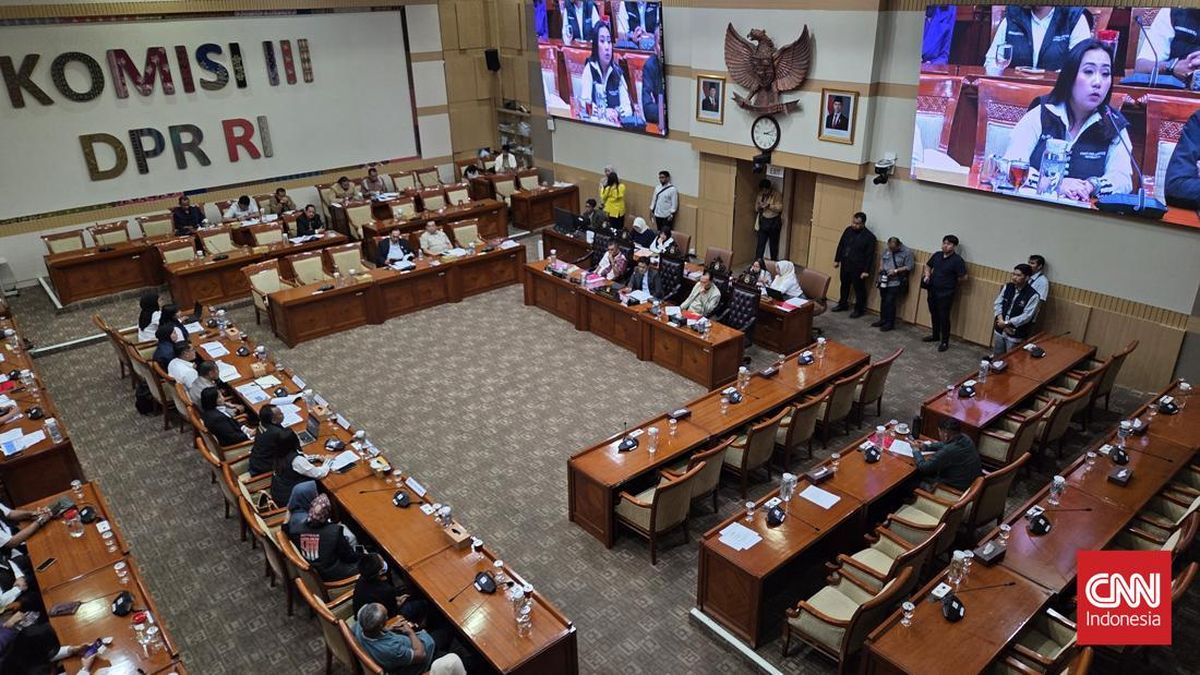
A postgraduate student at the University of Cambridge, Ahmad Novindri Adji, has proposed that asset forfeiture efforts should still be possible without a criminal conviction under the Asset Forfeiture Bill.
A criminal verdict, or conviction-based forfeiture, previously became a point of contention in asset forfeiture efforts under the bill. Such a requirement is needed to avoid the potential for arbitrary implementation of the Asset Forfeiture Bill.
However, during a follow-up hearing on the Asset Forfeiture Bill with Commission III of the House of Representatives (DPR) on Monday (20 July), Novindri argued that conviction-based forfeiture has become a dead end for the bill’s passage.
“Our current system relies heavily on forfeiture that follows criminal sentencing, or conviction-based forfeiture, meaning forfeiture can only be carried out after the perpetrator is found guilty. This approach hits a dead end in four situations,” said Novindri, who attended the hearing online.
According to him, conviction-based forfeiture, or criminal verdicts, under the Asset Forfeiture Bill faces four problems: when the perpetrator dies; when the perpetrator flees or cannot be tried; when assets are hidden through third parties or converted; and when assets have been transferred.
Novindri believes the Asset Forfeiture Bill should exist precisely to close these four gaps.
This is because, referring to the United Nations Convention Against Corruption (UNCAC), an internationally legally binding convention in the global effort to combat corruption, Article 54 paragraph 1 letter C asks states to consider asset forfeiture without a criminal conviction, particularly when the perpetrator has died, fled, or cannot be brought before the court.
Novindri also cited the Stolen Asset Recovery Initiative at the World Bank, which has placed such a mechanism as a complement to criminal proceedings.
“Therefore, Indonesia’s design needs to ensure that criminal forfeiture without criminal punishment can address real obstacles while still being accompanied by adequate safeguards,” he said.
Novindri said he had examined two drafts of the Asset Forfeiture Bill, from 2023 and 2024. Between the two, he said, there is a fundamental difference regarding the method of asset forfeiture without criminal prosecution.
Under the earlier draft, pure asset forfeiture could be carried out without a criminal verdict, or in rem, meaning the forfeiture is directed at the asset itself, not its owner. Meanwhile, the latest draft combines both approaches.
“And the latest draft merges two routes at once, namely forfeiture based on a criminal verdict and forfeiture without a criminal verdict, which I abbreviate as NCB, or non-conviction based forfeiture,” said Novindri.