
Cambodia opens manufacturing opportunities to support ASEAN energy transition
A clean energy transition is currently underway in Cambodia, across Southeast Asia, and throughout the world.
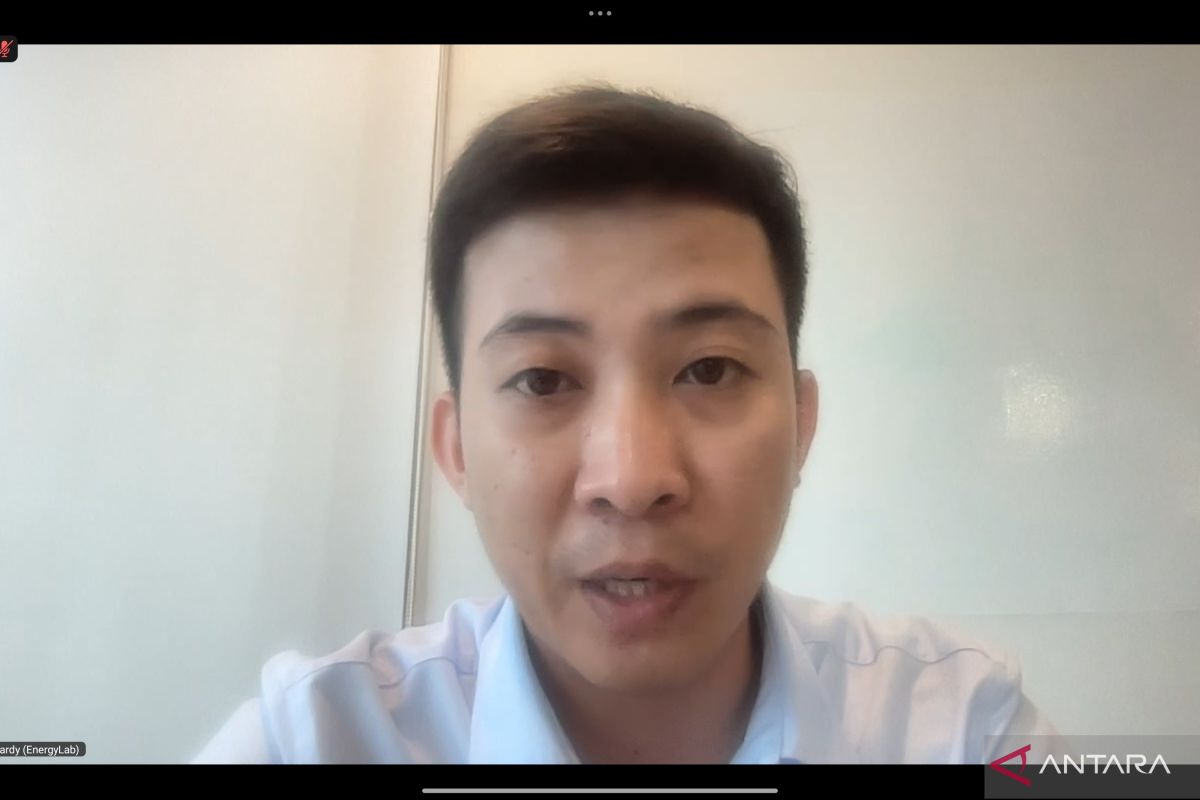
Mardy Hout, Clean Energy Policy Manager at EnergyLab Asia, stated that Cambodia has the opportunity to take a role in the Southeast Asian clean energy technology supply chain through the development of component manufacturing, assembly, and battery system integration.
Mardy noted that countries in the region can support the energy transition by choosing specific parts of the supply chain that align with their industrial capabilities and available resources, rather than attempting to produce all clean energy technologies independently.
“The clean energy transition is happening in Cambodia, across Southeast Asia, and globally. This is creating stronger demand for clean energy technologies and developing their capacity networks,” Mardy said during a discussion with the Institute for Essential Services Reform (IESR) held online in Jakarta on Monday.
According to him, the most suitable opportunity for Cambodia lies in the production of Tier 2 components, such as electronics, electrical equipment, battery components, and system integration. This could serve as an entry point for countries with smaller economies, alongside knock-down assembly. This segment requires relatively lower capital and energy compared to higher-level technology production.
Mardy noted that Cambodia already possesses 13 assembly facilities that are either operational or expanding, including BYD. The country also has the capacity to assemble more than 250,000 motorcycles per year and hosts five export-standard Tier 2 companies that supply Tier 1 firms and global original equipment manufacturers.
In addition to component manufacturing, Mardy stated that Cambodia has the potential to develop battery system integration to support the growth of electric vehicles and energy storage.
“In this regard, the potential for Cambodia is not to produce batteries, but to import components and assemble them into battery packs. This is a recommendation. While this is a new and less proven approach, it holds strong potential for Cambodia,” said Mardy.
To strengthen the regional supply chain, he encouraged ASEAN nations to align quality standards, cross-border trade regulations, investment procedures, and industrial incentives.
Such cooperation is expected to connect the respective strengths of each nation while expanding the participation of countries with developing industrial capacities in the clean energy transition.