
Calls for Reform Grow Ahead of COP31 Climate Conference in Türkiye
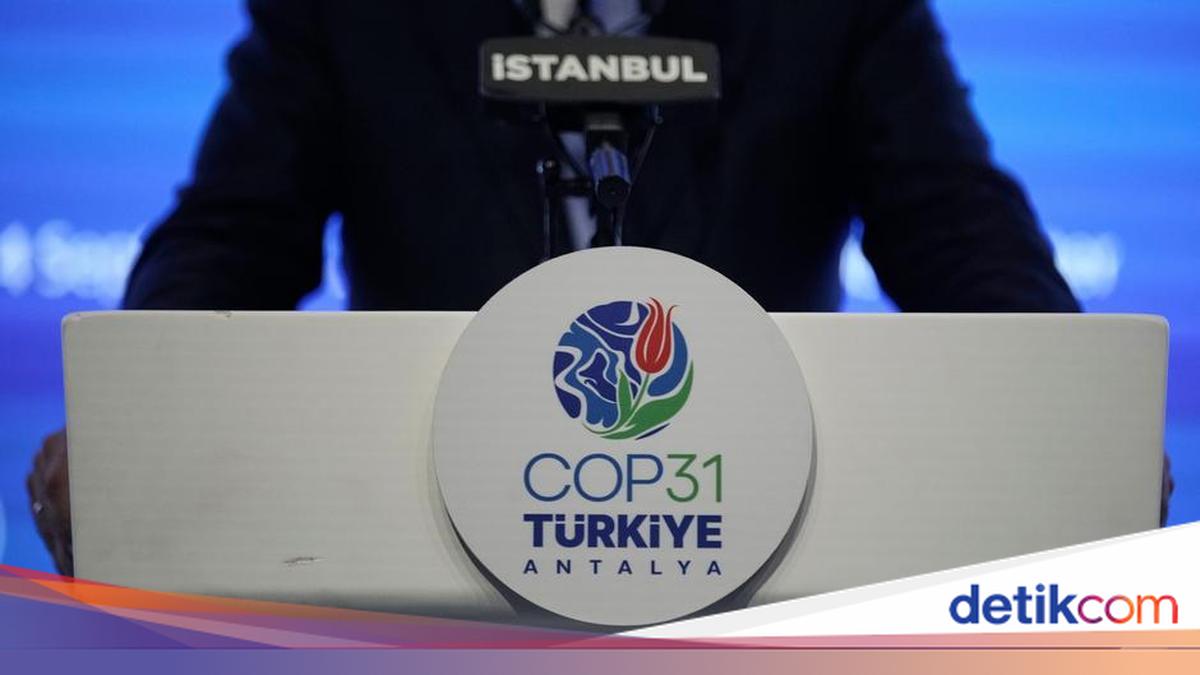
Ahead of next Monday’s climate summit in Türkiye (9 November), calls to reform the decision-making process are growing louder. The rules in force today are seen by some as having been “designed to fail” from the outset.
Tens of thousands of diplomats, ministers, scientists, activists and industry representatives will gather in Antalya, Türkiye, next Monday (9 November) for the 31st United Nations climate conference, or COP31. As at every climate summit, the forum is expected to seek answers to the same question: how can the world curb the accelerating pace of global warming?
Yet as negotiations begin, there is a sense that the climate crisis is moving faster than international diplomacy can respond.
Many scientists believe global warming is now proceeding more rapidly than previously expected. Two months ago, the UN revised the target that had guided climate diplomacy for a decade: limiting the rise in global temperatures to 1.5°C above pre-industrial levels. That ambition is now considered increasingly difficult to achieve, as the world has moved beyond the emissions pathway required to meet it.
The consequences are already visible in many places. Deadly heatwaves hit parts of Europe last summer. In Nepal, severe flooding destroyed homes and infrastructure. Extreme weather, drought, wildfires and more intense storms are also becoming increasingly common in many other countries. Threats once described as future risks have become everyday realities.
Three decades after countries began annual climate negotiations under the auspices of the UN, the forum faces an increasingly difficult question: can COP still address a crisis moving far faster than its diplomatic process?
Fading momentum
The summit in Antalya is unlikely to produce a major breakthrough, according to several experts and diplomats. Achieving one would require reform of the conference process, and calls for such changes are growing ahead of COP31.
COP30 in Brazil last year produced an agreement widely considered insufficiently ambitious. The conference’s final text, for example, did not explicitly mention fossil fuels, the main cause of global warming.
That outcome stands in stark contrast to the scale of the challenge. In September, the UN warned that the 1.5°C warming limit was almost certain to be breached. Meanwhile, carbon emissions from burning fossil fuels in 2025 remained close to their highest level on record.
The situation is made more complicated by fossil-fuel-producing countries using COP’s consensus process to obstruct further steps towards phasing out fossil energy. Global climate diplomacy has also lost one of its biggest players. The United States, the world’s largest economy and second-largest emitter, has once again distanced itself from the process under President Donald Trump, who has repeatedly described global warming as a “hoax”.
Designed to fail?
The diplomatic deadlock at climate summits has fuelled calls to reform the conference process. Proposals vary: some want COP to be held every two years rather than annually; others advocate smaller conferences, while some have called for an end to consensus-based decision-making.
Panama’s Environment Minister, Juan Carlos Navarro, delivered the sharpest criticism last week. He said consensus rules allow “one fool” to derail an agreement supported by almost all participants. “COP is designed to fail,” he told AFP.
Similar views were expressed by the Club of Rome, an international think tank whose members include former heads of state, business leaders and scientists. In an open letter published in 2023, the group called for “urgent reform” of the COP process.
It argued that COP’s consensus-based structure inherently encourages slow, incremental progress. One example is the climate loss and damage fund, which was only agreed in 2022 after seven years of negotiations.
“This slow pace is at odds with climate science and the real damage and risks already unfolding,” the letter said.
The signatories included prominent figures such as former UN Secretary-General Ban Ki-moon, former Irish President and UN climate envoy Mary Robinson, and Laurence Tubiana, one of the architects of the Paris Agreement.
France’s Minister for Ecological Transition, Monique Barbut, sees another problem. She says the global climate forum is beginning to suffer from what she calls “COP fatigue”.
“One reason COP is losing momentum is that there are too many of them,” she said.
Barbut stressed that COP is not simply an ordinary annual conference. It is an international legal body that should address substantive issues with clear legal consequences. Without major items genuinely ready for negotiation, annual meetings risk becoming mere diplomatic rituals.
She has therefore proposed that COP officially take place every two years. Annual meetings could still be held, but with a different status. A similar model is already used for two other UN environmental conventions: the biodiversity and desertification COPs, which are held every two years.
From negotiation to implementation
Amid the criticism, some argue that solutions need not always come from changing COP’s structure. Countries seeking faster progress could form coalitions outside the formal UN framework. This approach has begun to emerge since COP30 in Brazil.
Although the final text was considered weak, Brazil proposed a voluntary roadmap to accelerate the transition away from fossil fuels. Countries interested in advancing that agenda subsequently held a follow-up meeting in Colombia in April this year, outside the formal UN process.
Cosima Cassel, a climate analyst at the E3G think tank, describes this model as a “dual-track” approach.
Formal consensus-based negotiations remain necessary, she said, to set direction, establish collective commitments and give countries a forum to identify shared obstacles. Alongside that formal process, however, an “action agenda” is needed to allow groups of countries to move faster on specific issues.
Türkiye appears to be adopting this approach at COP31. The host country is actively promoting practical initiatives, including efforts to build support for a global electrification commitment.
UN climate chief Simon Stiell has said that climate diplomacy has entered a new phase, which he calls the era of implementation.
For Stiell, the main problem is no longer a lack of promises, but a lack of follow-through. The world already has targets, declarations and agreements. What it lacks is sufficient political will to put them into practice.
“We must continue to develop how we work for this new era,” Stiell said in a speech in Istanbul last February.
His remarks reflect the dilemma hanging over COP31. After decades of negotiations, the world is not short of climate commitments. The question is whether the system that produces them can move quickly enough to confront a worsening crisis. In the race against global warming, time appears to be moving faster than diplomacy.
Source: jawawa.id (https://jawawa.id/newsitem/calls-for-reform-grow-ahead-of-cop31-climate-conference-in-turkiye-1794023508)
Originally published by detikcom (https://news.detik.com/dw/d-8742221/tuntutan-reformasi-menguat-jelang-konferensi-iklim-cop31-di-turki), translated from Indonesian