
Calls for De-escalation Mount Amid Latest US-Iran Exchange of Attacks
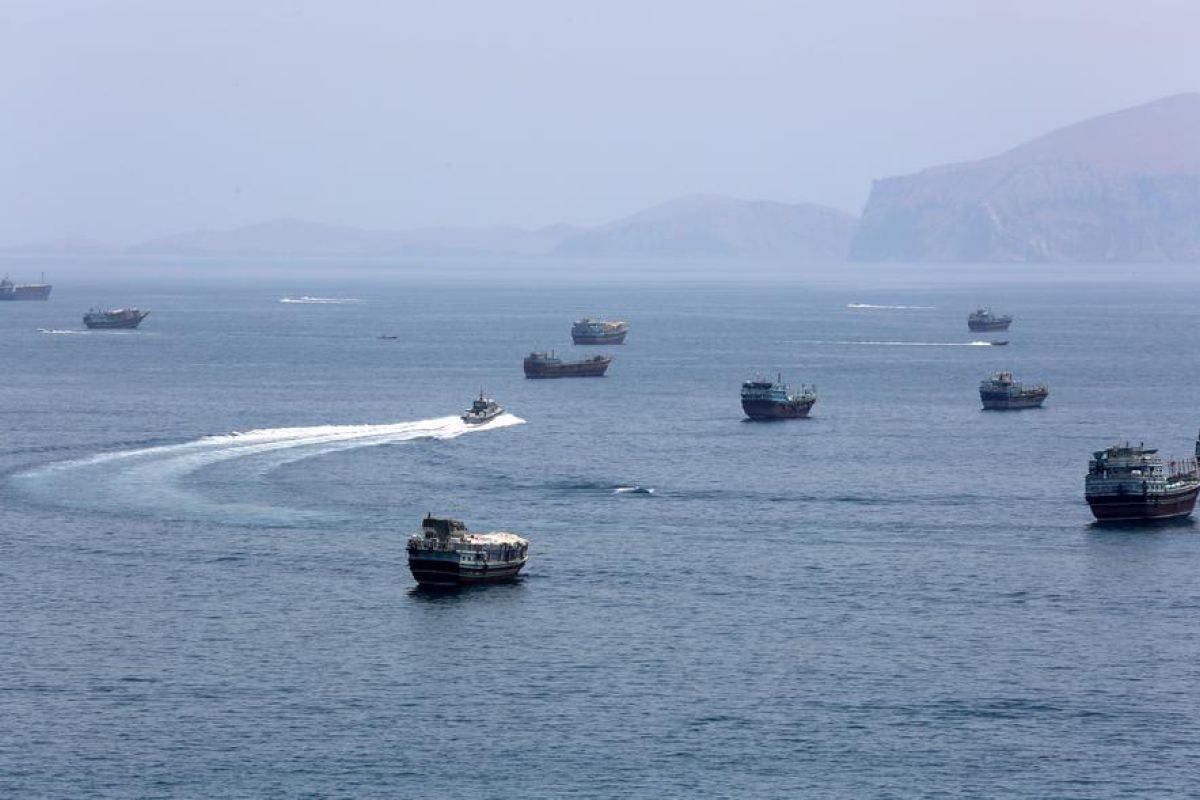
Calls for de-escalation are growing following the latest exchange of attacks between the United States and Iran over shipping in the Strait of Hormuz on Sunday, despite both nations having signed a memorandum of understanding in June. The development has sparked fears of renewed regional escalation.
US Central Command stated in a post on X on Sunday morning local time that its forces had completed a third round of strikes against Iran this week, in retaliation for Iranian forces targeting another commercial vessel in the Strait of Hormuz. Iran subsequently retaliated by targeting US bases and facilities in several locations across the Gulf region. Iranian media reported the strikes targeted US military facilities in Kuwait, Bahrain, and Qatar.
Egypt on Sunday condemned the Iranian attacks, describing them as a flagrant violation of the sovereignty of the affected nations, according to a statement from the Egyptian Ministry of Foreign Affairs. The ministry called the attacks a dangerous escalation that threatens the security and stability of the Gulf region and hinders efforts aimed at reducing tensions and strengthening regional security. Egypt stressed there is no acceptable pretext or justification for such attacks, calling for an immediate halt to all escalatory actions and compliance with international law to prevent further tension and instability in the region.
The United Arab Emirates also condemned the Iranian missile and drone attacks. Iraq’s Ministry of Foreign Affairs expressed concern over the continuing tensions and developments affecting maritime security in the region, warning of their potential impact on regional security, stability, and international trade. While calling for dialogue and diplomatic means to resolve differences, the ministry reaffirmed Iraq’s support for all efforts aimed at de-escalation, maintaining regional security and stability, and protecting the common interests of the region’s people.
In a statement, the UAE Ministry of Foreign Affairs reiterated the nation’s solidarity with the targeted countries and its support for measures to maintain their security and stability. The UAE Ministry of Defence stated on social media that its forces intercepted incoming missiles and drones, while the National Emergency Crisis and Disaster Management Authority said the situation remained stable, adding that the previously detected missile threat was outside UAE territory.
On the same Sunday, Oman summoned the Iranian ambassador to deliver a formal note of protest over drone attacks that targeted locations in the Musandam and Al Wusta governorates, according to the Omani Ministry of Foreign Affairs. In a statement, the ministry said Oman expressed deep concern over what it described as irresponsible actions. Oman also stressed the need to respect state sovereignty, the principles of good neighbourliness, non-interference in the internal affairs of other countries, and the norms governing relations between the two neighbouring countries.
Qatar’s Ministry of Foreign Affairs, in a statement, strongly condemned the Iranian attacks that targeted its territory and several neighbouring countries, calling them a flagrant violation of sovereignty, territorial integrity, and international law.